When Fiction Becomes Fatal: The Inevitable Tragedy of Pop Culture Pilgrimage
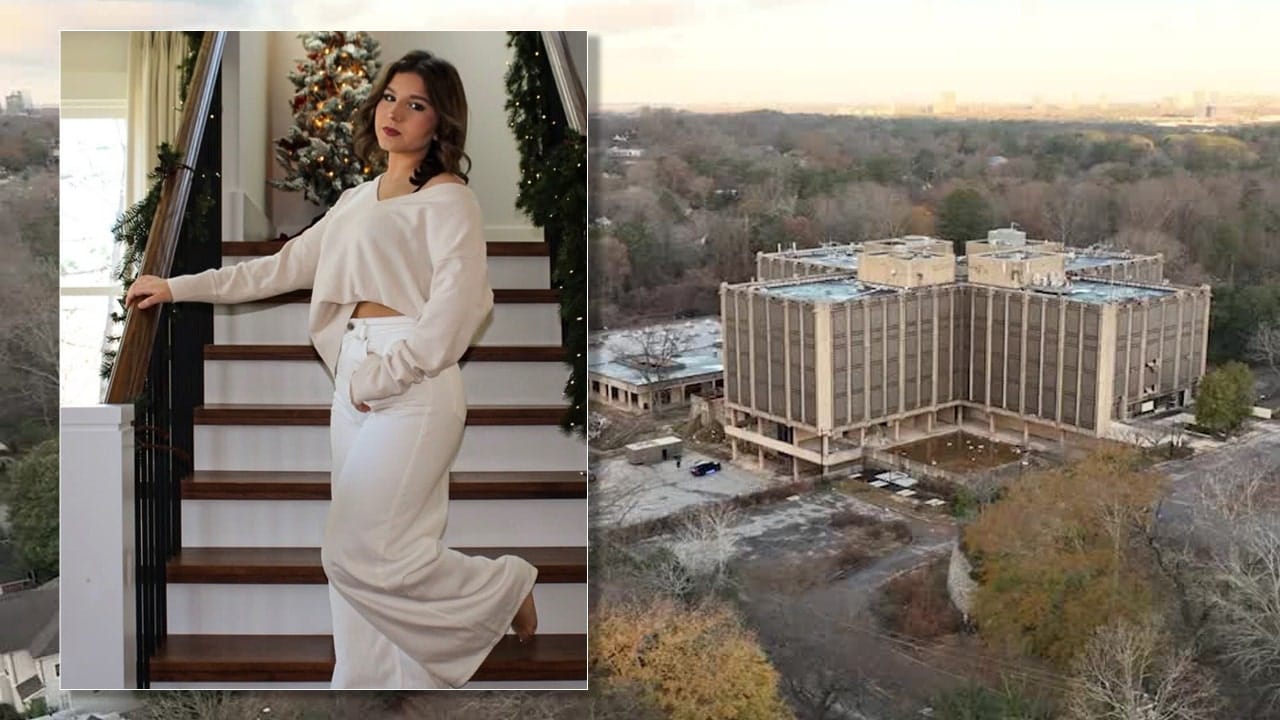
It’s the same old story, isn’t it? A young life cut short, a grieving family left to pick up the pieces, and a predictable wave of feigned outrage and hollow promises from a public that will forget about the whole thing in approximately three days. But peel back the veneer of ‘accident’ and ‘tragedy,’ and you find something far more insidious: a cultural phenomenon where media consumption creates an environment where these deaths aren’t just possible, they’re inevitable. This isn’t just about a 19-year-old woman falling from an abandoned building near Emory University; it’s about what drove her there in the first place—the insatiable hunger for the perfect picture, the perfect moment, the perfect replication of a fictional world that was never meant to be real.
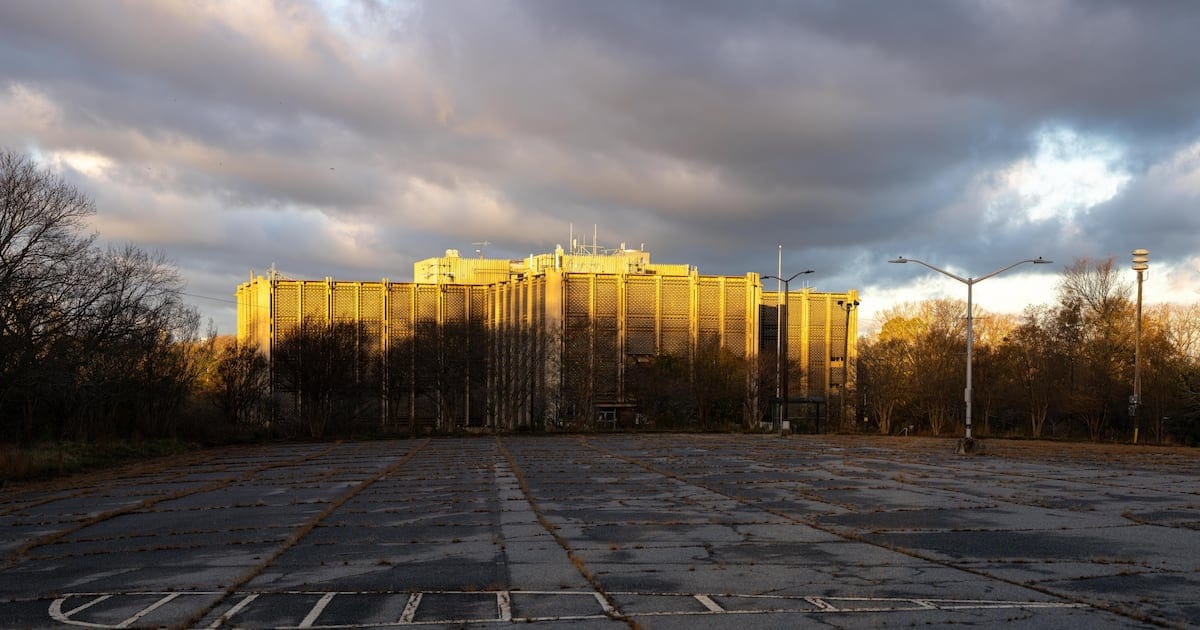
The building itself, now tragically infamous, gained its notoriety as a filming location for the blockbuster series Stranger Things. Specifically, the abandoned psychiatric hospital where character encounters unfolded in the show. For millions of viewers, it was a backdrop for sci-fi horror; for a growing subculture of ‘dark tourists,’ it became a pilgrimage site. The draw of visiting the physical space where a favorite story unfolded—to walk where Eleven walked, to stand where Vecna lurked—is immense, especially for a generation raised on immersive experiences and digital validation. But this desire, this powerful, almost primal need to cross the boundary between fiction and reality, often blinds people to the actual, physical dangers inherent in these locations.
The Cynical Calculus of Clout Chasing
Let’s not mince words here: this wasn’t just a casual visit. The pursuit of validation on social media creates a lethal incentive structure. When a location achieves pop culture status, it becomes a high-value target for ‘clout chasing.’ The metrics are simple: danger equals views; views equal validation. The more perilous the location, the more heroic the act of being there, and the higher the potential return on investment in the form of likes, shares, and followers. This specific building, abandoned and structurally unsound (as abandoned buildings tend to be), offers a high degree of perceived risk. It’s exactly the kind of place that captures attention in an overcrowded digital landscape. The pressure to get that ‘perfect shot’ from the edge of the roof, or from a dangerous vantage point, becomes paramount over common sense and basic safety.
The father’s grief, captured in news reports, is heartbreaking. He urges young people to avoid abandoned buildings, pleading, ‘Stay out of abandoned buildings.’ It’s a message that should resonate, but in the current cultural climate, it sounds like a whisper against a hurricane. The warnings from parents and authorities are drowned out by the constant visual feed of influencers and peers celebrating the very acts of transgression that lead to these tragedies. The cultural narrative shifts from ‘this is dangerous’ to ‘this is an exclusive experience.’ It’s a fundamental failure to prioritize physical reality over digital spectacle. We are raising a generation that believes the virtual world is more consequential than the real one, and this death is just one of the inevitable consequences.
The Netflix Effect: Normalizing Danger for Entertainment
Let’s be clear about the role of media companies here. While they don’t explicitly encourage trespassing or dangerous behavior, they are certainly complicit in creating the demand. The ‘Stranger Things effect’ on filming locations is well documented. The show, through its massive global reach, essentially creates new tourist hotspots overnight. But when those hotspots are decaying, dangerous structures, the media companies bear a degree of responsibility for failing to anticipate the behavioral response they incite. It’s a cynical business model: create a compelling fiction, watch as the public obsessively seeks out its real-world counterpart, and then wash your hands of the consequences when real tragedy strikes. The profit motive supersedes the need for responsible stewardship of the locations they choose to use.
This isn’t just about Stranger Things. Think about the Chernobyl HBO series and the massive surge in tourism at the actual exclusion zone. People flocked to a place where genuine, lethal radiation was a known threat, all because a television show piqued their interest. The human fascination with ‘morbid curiosity’ (or ‘dark tourism’) is ancient, but streaming services have amplified it exponentially, transforming obscure, dangerous, and often historically significant sites into Instagram backdrops. This building on the Emory University campus is just the latest victim of this trend, and it won’t be the last. The streaming services create the demand, and the social media ecosystem provides the distribution platform for the resulting risky behavior. It’s a perfect storm of negligence and cultural decay. The irony is, the building’s new tragic association will only serve to attract more people seeking to replicate the ‘experience’ of visiting a place where someone died. This is the ultimate cynical feedback loop of modern media culture.
Institutional Decay and Negligence
Let’s turn our attention to the property owners. This building, part of Emory University’s Briarcliff campus, has been abandoned for decades. It’s a known location for urban exploration (‘urbex’). The university, or whoever is responsible for maintaining the property, has allowed it to fall into disrepair, creating a known hazard. When a location achieves pop culture status, the responsibility of the property owner to secure it increases exponentially. They knew, or certainly should have known, that the building’s notoriety would attract people. The fence lines and ‘No Trespassing’ signs are, at best, weak deterrents. For the demographic drawn to these locations, those signs aren’t warnings; they’re challenges. They are a sign that something valuable—something worth seeing, something that few others have seen—lies behind that barrier. The negligence of the property owners here is a failure of basic risk management. They chose to ignore the clear and present danger that pop culture had created on their property. This death wasn’t just caused by a fall; it was caused by institutional neglect. It’s a failure to recognize the power of media influence and to proactively protect against predictable human behavior. We cannot simply blame the young person for being foolish when the environment around them—both digital and physical—is actively promoting foolish behavior and neglecting safety protocols. It’s a shared culpability, and one that will likely be addressed with a stronger fence or a lawsuit, but never truly solved.
The Inevitable Repetition
We live in a world where the line between content creation and genuine human experience has completely blurred. The drive to document and share every moment, no matter how mundane or dangerous, has become a compulsion. When we see a location on a screen, we no longer process it as fiction; we process it as a potential ‘check-in’ for our digital identities. The tragedy at the Emory building is a stark reminder that this compulsion has real-world consequences. The father’s grief is real. The loss is real. The physical danger is real. Yet, the cultural forces driving people to ignore these realities are stronger than ever. We’ve seen this play out with countless other pop culture phenomena, and we will undoubtedly see it again. The ‘Stranger Things’ location will become a part of the cultural tapestry of ‘places where bad things happened,’ and for a certain segment of society, that only increases its appeal. We’re not learning from these tragedies; we’re simply adding them to the list of ‘must-see’ morbid attractions for future generations. The cynical truth is, this isn’t a singular event. It’s the new normal. We can mourn, we can rage, we can post our ‘thoughts and prayers,’ but until we reckon with the cultural sickness that prioritizes digital validation over physical safety, this cycle will continue, relentlessly claiming new victims. It’s a grim new reality for a society obsessed with spectacle, where a life lost is just another statistic in the pursuit of online validation.