The Digital Hail Mary: When Algorithms Become Lifelines
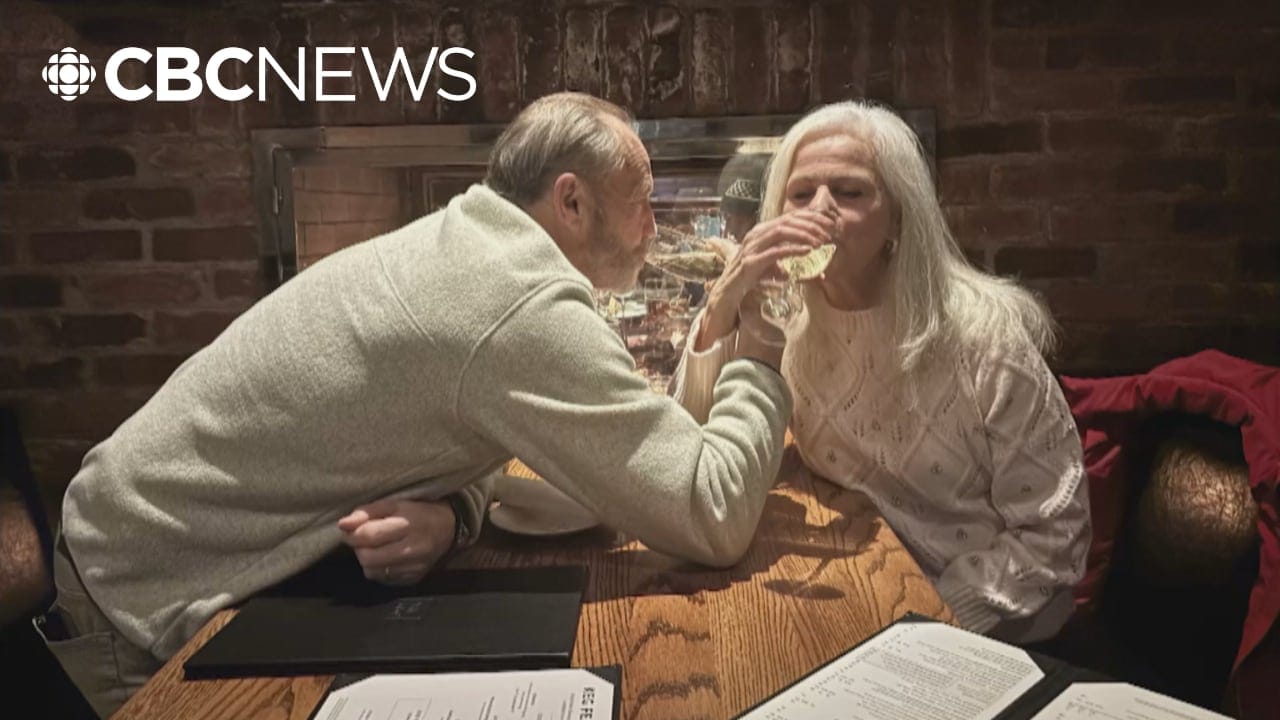
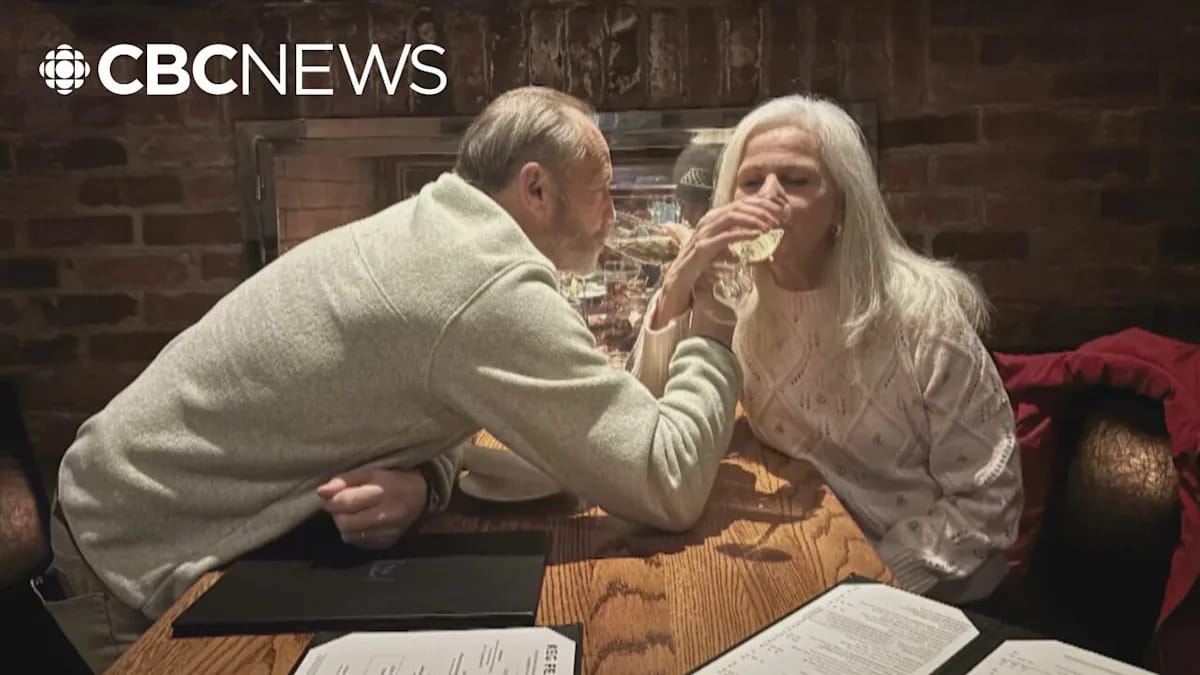
It’s genuinely astonishing, isn’t it? A man, nearly down for the count—maybe choking, maybe having some immediate medical crisis in some picturesque, over-priced ski village like Whistler—and the hero is identified not by the bar staff, or CCTV footage, or a decent witness description, but by a desperate, frantic plea fired into the ether of Facebook. A public shaming, thinly veiled as a search party.
The Shallow Pool of Modern Memory
Think about that for a second. This profound, life-altering interaction—one human literally pulling another back from the abyss, a moment that should be etched into local history—is instead relegated to a status update, hashtagged into oblivion. Amazing.
We celebrate this as a success story for ‘community connectivity,’ this grand testament to the power of the web. Rubbish. It’s a horrifying indictment of our collective societal memory and attention spans, proving that if it isn’t posted, retweeted, or captured in a fifteen-second TikTok clip, it barely happened, or worse, it’s completely untraceable when it matters most.
What happens when the internet crashes? Seriously, what happens when the towers fall, the servers fry, or the electric grid hiccups for a week? Do we just leave the savior unthanked, floating in the digital wind, never to receive their due recognition simply because their face didn’t resolve clearly enough for a grainy profile picture match? This incident, this small, localized drama in British Columbia, isn’t about a kind stranger; it’s about our terrifying, terminal dependency on platforms designed to sell us sneakers and distraction.
This technology, which we were promised would connect us in meaningful ways, instead forces us into this bizarre public performance art just to express basic gratitude. It’s transactional empathy. The man wasn’t helped by ‘a good Samaritan’; he was helped by ‘User @WhistlerHero456,’ whom the family then had to hunt down through algorithmic suggestion boxes.
I’ve seen this creeping in for years. We don’t exchange numbers anymore; we exchange handles. We don’t remember faces; we remember profile banners. It’s all ephemeral, lightweight documentation, built on foundations of sand.
The History of Obligation vs. The Culture of Clicks
Back when people had actual civic duty—before everyone decided their entire personality needed monetizing—if you saved someone’s life, that was a binding, indelible social contract. You’d be invited to dinner. You’d get a firm handshake, maybe a local newspaper mention that lasted a week. It was tangible. It had weight.
Now? The transaction is incomplete until the ‘Thank You’ post hits 500 likes, signifying that the digital jury has approved the sincerity of the gesture. The heroic act is just the opening sequence to the much more important part: the social media campaign seeking validation for the victim and, subsequently, the savior.
It forces the helper into the spotlight whether they want it or not. Maybe this stranger just wanted to go back to their overpriced latte and contemplate the sheer absurdity of paying $18 for a sandwich in Whistler, wanting zero fanfare. But no! The rescued family, panicked and perhaps slightly traumatized, immediately weaponizes their network, turning a quiet act of decency into a public spectacle.
This is the central paradox of our age: the same tools we use to find someone instantly are the same tools that have eroded our ability to simply *be* present enough to remember who helped us in the first place. Did the victim see the helper’s face through the fog of panic, or were they just looking at a silhouette against the backdrop of their impending doom?
It’s pathetic.
We’ve outsourced basic human recognition to centralized, corporate databases controlled by Mark Zuckerberg and his ilk. Scary stuff. Really scary.
The Implication: Digital Anonymity as The New Default
The fact that a search *had* to be launched suggests that casual human interaction is now so fleeting and transactional that nobody expects to maintain a record of it organically. It’s expected that every interaction is temporary, designed to dissolve back into the noise the second the immediate need is satisfied.
Imagine the scene: a crisis averted. Instead of exchanging names, maybe the victim fumbled for a pen, but the stranger just waved dismissively and walked out, expecting nothing. A true hero, right? But in 2024, that hero is now a ghost, a missing piece in a social puzzle that *must* be completed for closure, not for actual safety or thanks.
We are so conditioned to believe that everything leaves a digital footprint that the absence of one feels like a security failure. The system broke down because the human interaction didn’t generate a usable data point.
This isn’t isolated to Whistler. This happens when you try to find the driver who let you merge in heavy traffic, or the person who picked up your dropped wallet outside the terminal. You try to track them down on LinkedIn because that’s the established protocol now. It’s absurd bureaucracy applied to basic decency.
What’s next? Mandatory digital ID scans required before rendering first aid, just in case the victim needs to tag you later? We are marching straight towards a world where altruism is only valuable if it’s trackable and shareable.
The underlying tragedy here is the normalization of superficiality. We spend hours curating digital lives, but when real life throws a curveball, we rely on the weak signals of the very platforms we pretend to despise.
It’s an over-reliance, a structural weakness baked into the cake of modern convenience. We confuse access to information with actual knowledge or connection. The search itself becomes the story, overshadowing the initial life-saving event.
And what if the helper sees the post and decides *not* to come forward? Perhaps they are fleeing debt, hiding from a complex personal situation, or maybe they just don’t want the fleeting digital fame that comes with being associated with a viral near-death experience. The social media hunt then turns ugly, morphing from gratitude into a public interrogation, proving that the digital mob is never far behind the digital search party.
The whole charade stinks of performative living. It’s not about the rescue; it’s about closing the loop on the narrative arc for online consumption. The stranger gets their fifteen minutes, the rescued family gets their heartwarming follow-up story, and the rest of us scroll past, feeling briefly connected before forgetting the whole thing by the next ad break. Wake up, people.
It’s a mess.
We need to relearn how to look someone in the eye and say ‘Thank You’ without immediately reaching for a smartphone to document the transaction for posterity. True heroism requires anonymity; it thrives in the gap between action and recognition. This social media scramble poisons that wellspring of selfless behavior. It contaminates the purity of the deed by demanding a digital receipt. It’s a sickness we won’t shake easily, a phantom limb twitching for a status update even when faced with mortality. This Whistler incident is just a symptom of a much deeper societal decay, where tangible reality must always bow before the altar of the feed. We are obsessed with metadata, ignoring the actual data—the human being saved.