Netflix’s Nostalgia Trap: The Closer Addition Proves Content Crisis
The Myth of New Content: Why We’re Stuck in the Past
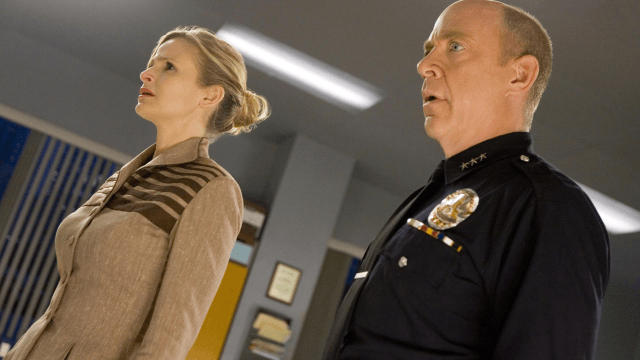
Let’s not mince words here. When Netflix drops seven seasons of a show that’s been off the air for over a decade and calls it a ‘new addition,’ it’s not a cause for celebration. It’s a confession. It’s a flashing neon sign screaming: ‘We have run out of ideas, and we are now desperately digging through the graveyard of broadcast television to justify your subscription fee.’ The news that *The Closer*—a perfectly fine, if somewhat formulaic, TNT procedural from the early 2000s—is now available for streaming isn’t a win for consumers; it’s a symptom of a much deeper, more insidious problem in the streaming landscape. This isn’t innovation; it’s intellectual property hoarding, plain and simple, and it proves that the streaming wars have devolved into a race to see who can acquire the most dusty, forgotten content from the past.
The whole narrative around these ‘hit show additions’ is built on a lie. We’re told we have access to more content than ever before, yet what we’re actually seeing is the fragmentation and recycling of existing IP. The Closer, with its distinctive Southern-fried lead and quirky police unit, was a staple of the cable television era, a time when networks like TNT were defining themselves with specific brands of programming. Now, in the age of streaming conglomerates, these distinct identities are being homogenized. Everything gets dumped into one digital bucket, where it loses its context and originality, becoming just another piece of data to feed the algorithm.
The Cynical Marketing Ploy: Why Kyra Sedgwick Is Now a ‘Marvel Star’
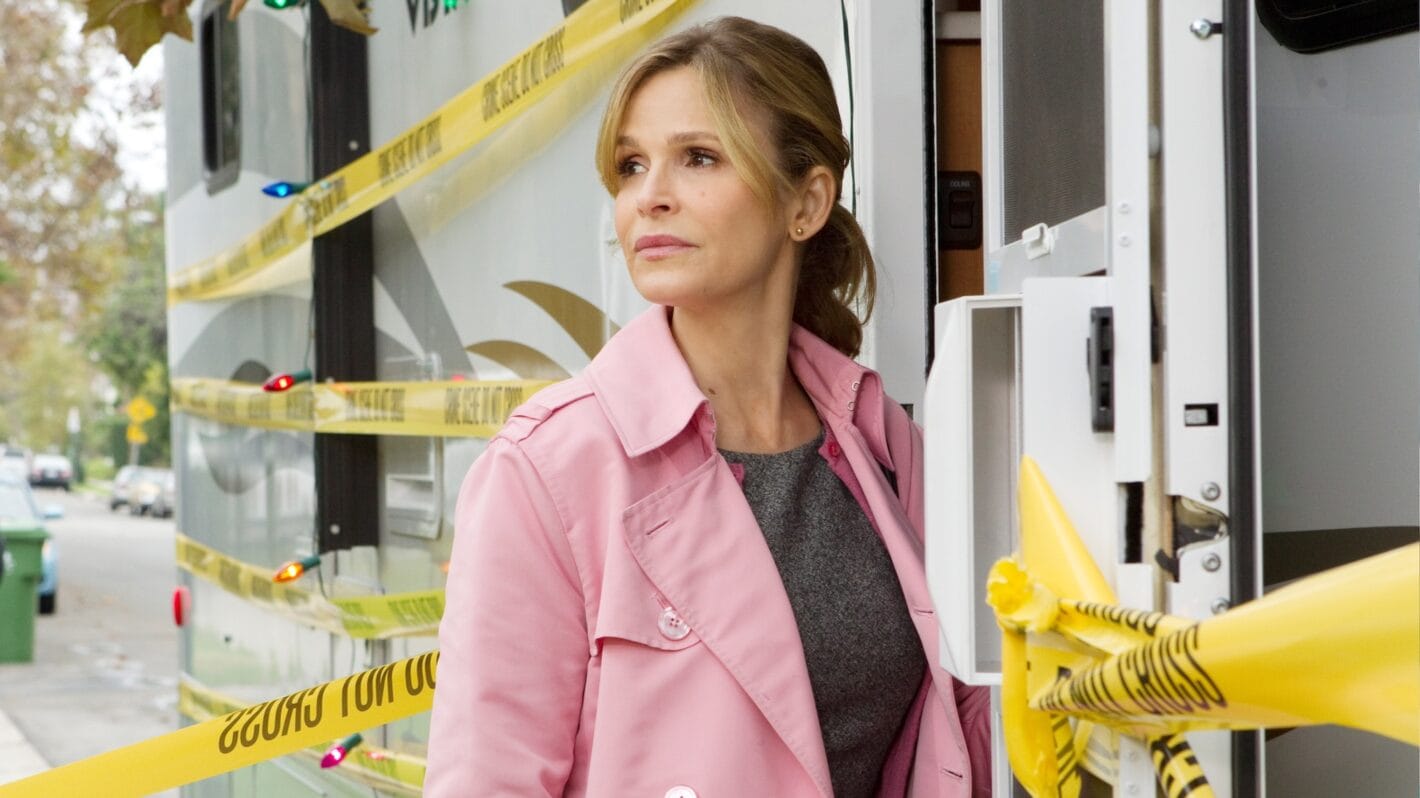
The media headlines are particularly nauseating when they frame this as ‘Netflix Just Added Every Season of a Marvel Star’s Hit Crime Drama.’ Kyra Sedgwick has had a long, distinguished career that includes an Oscar nomination and multiple Emmy wins for *The Closer*. To reduce her identity and legacy to simply being a ‘Marvel star’—because she had brief roles in *Avengers: Endgame* and *Eternals*—is not just reductive; it’s a calculated marketing move. It’s leveraging a massive, pre-existing franchise to generate buzz for a completely unrelated show. This tactic, where old content is rebranded using modern intellectual property connections, cheapens the original work while simultaneously reminding us that corporate synergy now dictates how we consume media.
This isn’t just about *The Closer*; it’s about a pattern. We saw it with *Suits*, which became a smash hit on Netflix years after its initial run. We see it constantly with shows like *NCIS* and *Grey’s Anatomy* jumping between platforms. This strategy, sometimes referred to as the ‘streaming graveyard,’ involves platforms acquiring older, high-volume content to increase ‘watch hours’ and reduce churn, rather than investing in new, risky projects. Why bother developing a genuinely original show when you can just buy the rights to seven seasons of a popular procedural that already has a built-in audience? It’s lazy economics for the streaming platforms, and it’s a creative catastrophe for the artists and writers who are trying to make something new.
The Brenda Leigh Johnson Problem: A Reflection of a Lost Era
Let’s talk about Brenda Leigh Johnson. The character, a brilliant interrogator with a complex personality who often bent the rules to achieve justice, resonated deeply with audiences in the mid-2000s. She was a refreshing change from the traditional male-dominated procedural leads, offering a nuanced look at a woman in power who didn’t fit neatly into the ‘perfect hero’ archetype. The show’s premise, focusing on interrogations rather than just field work, was innovative for its time.
But here’s the rub: *The Closer* represents an era of television that is fundamentally incompatible with modern streaming culture. Broadcast and cable TV shows were designed for a different consumption pattern. They relied on weekly releases, built-in commercial breaks, and a slow-burn narrative structure. The streaming model demands ‘bingeability’—a non-stop flow of content designed to keep eyeballs glued to the screen for hours on end. When you take a show like *The Closer* and force it into the binge model, you lose some of the impact of those carefully constructed weekly episodes. The procedural format, which resolves cases every 45 minutes, can feel repetitive and dated when consumed in large doses without the weekly suspense driving a long-term arc.
Furthermore, the streaming landscape has become so saturated that a show like *The Closer*, while critically acclaimed in its day, struggles to find relevance against the sheer volume of new content being released weekly. It’s like putting a classic painting in a room full of noise and expecting people to appreciate its subtle brushstrokes. The streaming platforms don’t want you to appreciate the nuance; they just want you to watch something—anything—to pad their quarterly reports. The value proposition has shifted from quality content to raw quantity.
Where Do We Go From Here? The Future of IP Recycling
This trend of IP recycling and nostalgia harvesting is not just limited to old procedurals. It extends to reboots, sequels, and cinematic universes. The streaming services are terrified of taking risks, opting instead to invest in familiar titles that guarantee a certain level of viewership. This creates a feedback loop where original stories are sidelined for proven franchises, and audiences are conditioned to seek comfort in the familiar rather than embrace new challenges. We’re witnessing the slow, agonizing death of creative risk-taking in favor of corporate risk aversion.
The addition of *The Closer* to Netflix’s library should be viewed not as a gift, but as a warning. It signals a shift away from the golden age of original streaming content (think *House of Cards* or early *Stranger Things*) toward a new era where streaming services are merely glorified digital cable providers. They are becoming more expensive, offering less original content, and relying heavily on commercials and tiered subscription plans. The only difference between Netflix now and basic cable 15 years ago is that you have to choose which one to subscribe to for different shows, instead of getting them all in one bundle. The circle of life, as they say, is a flat circle, and we are right back where we started, only with worse interfaces and higher price tags.
When you sit down to watch *The Closer* this month, consider what you’re actually paying for. You’re not paying for a revolutionary viewing experience; you’re paying for access to a library of old content that should probably be free by now. You’re paying for the privilege of watching a show that a corporation spent money acquiring to avoid spending money creating something new. It’s a raw deal, and the fact that we’re celebrating it as a win just shows how low our expectations have sunk.