The Great Hollywood Disappearing Act: Why We’re All Obsessed with Kim Basinger’s Rare Appearance
Let’s talk about Kim Basinger for a minute, because in a world where every celebrity and their personal trainer is constantly broadcasting their existence on Instagram Live—a world where every waking moment is curated into an ‘authentic’ brand experience—a true disappearance is a strategic weapon more powerful than a hundred movie roles. When a star goes off the grid completely, they become something mythical, something worth more than their last box office take. We’re talking about the Greta Garbo effect here, the Salinger maneuver, the ultimate ‘I don’t need you’ move that makes the public scream for more.
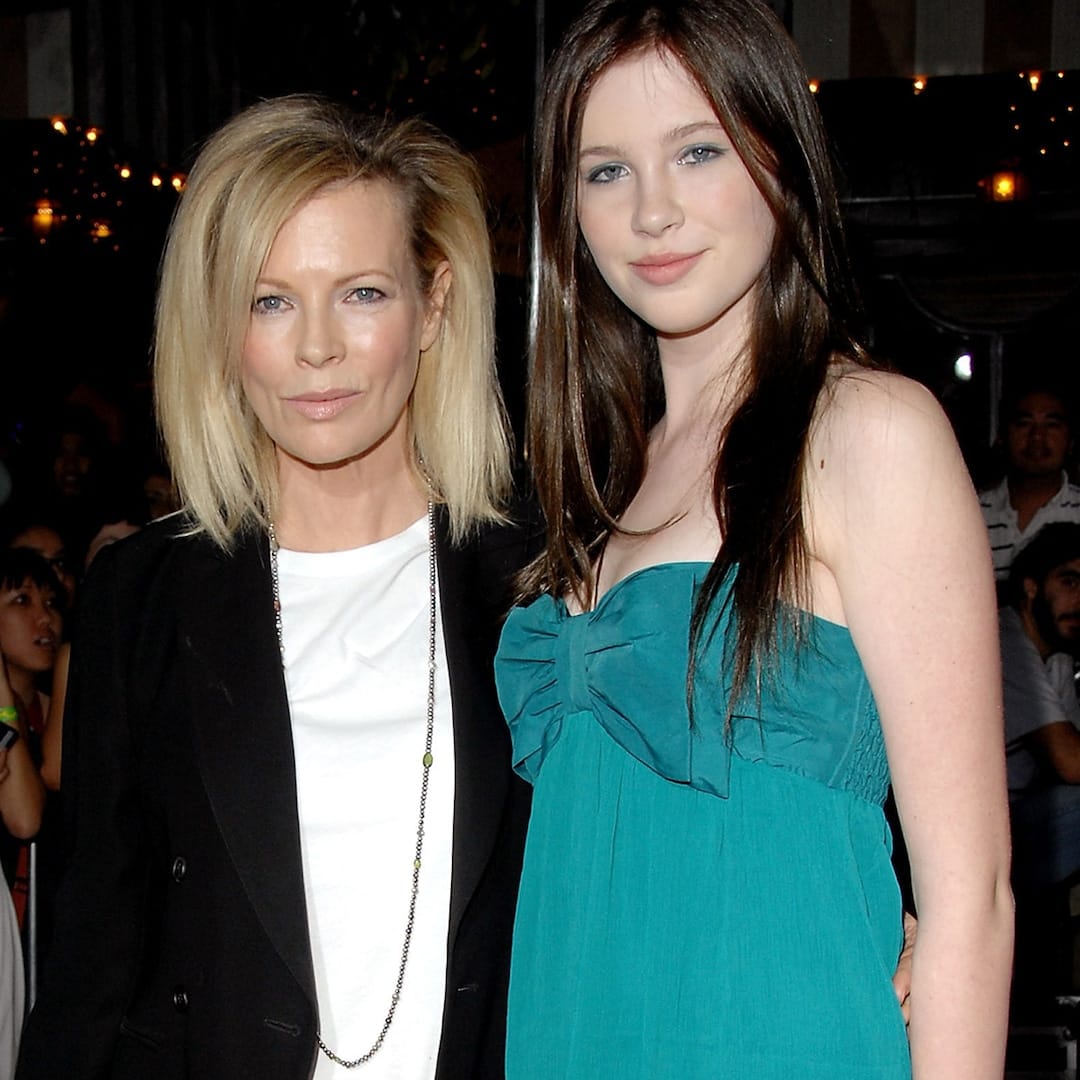
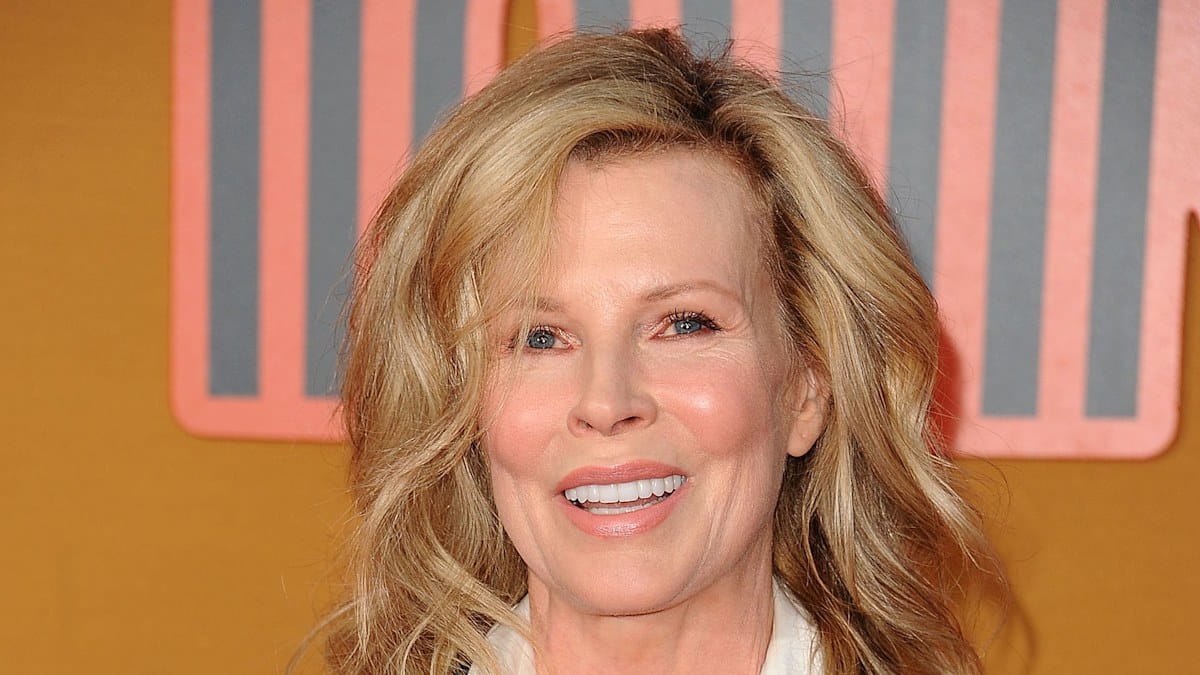
And then, just when you’ve almost forgotten what she looks like, she pops up again. Not in a pre-planned, spit-shined press tour for a new project, but in a candid (but still perfectly framed) photo with her daughter, Ireland Baldwin, and her grandchild. The news machine goes into overdrive, shouting about a ‘stunning grandma’ and a ‘rare appearance.’ It’s all a bit much, really, isn’t it? It’s almost as if we’re so desperate for a taste of genuine celebrity reclusiveness that we’ll treat a photo as if she’s returned from the dead, which, let’s face it, is how Hollywood treats anyone over 50 who isn’t named Meryl Streep or Tom Hanks.
Q&A: The Provocative Analysis of Basinger’s Return to the Spotlight
Q: Why is a single photo of Kim Basinger, a celebrity who has been out of the spotlight for ages, suddenly generating so much buzz? Isn’t this just regular human behavior?
A: ‘Regular human behavior’ in Hollywood is an oxymoron, my friends. This isn’t just a random family snapshot; it’s a calculated (or at least perfectly timed) reminder that some people can still command attention without begging for it. The buzz isn’t about what she’s *doing* now; it’s about the fact that she *hasn’t been doing anything* for so long. Think of it like this: If every fast-food chain started giving away free burgers every single day, the value of a burger would plummet to nothing. But if one chain, like In-N-Out, only opens in certain select locations and limits access, the demand for their product becomes a cult-like obsession, generating lines around the block. Basinger is the celebrity equivalent of In-N-Out: rare, exclusive, and therefore perceived as inherently superior. The media loves this because scarcity creates news value; it’s a symbiotic relationship where the media gets headlines and the celebrity gets to control their narrative by rationing their visibility.
We’re living in a high-burstiness, low-substance news cycle where a picture of a celebrity looking ‘stunning’ at 72 (as if a person’s physical appearance at an advanced age is some kind of miraculous achievement, rather than a combination of genetics, wealth, and access to advanced cosmetic science) generates more clicks than a detailed investigative report on actual global issues. The media treats Basinger’s appearance like finding a rare Pokemon—it’s exciting because it’s so difficult to catch. The core irony here is that the media, by obsessing over her reclusiveness, reinforces her value, ensuring that the next time she does decide to emerge, the cycle repeats itself with even greater fervor. It’s a self-perpetuating feedback loop of manufactured rarity. We’re all just pawns in her game of hide-and-seek.
Q: Is this reclusiveness truly about agoraphobia, or is it a strategic choice to avoid Hollywood’s brutal ageism and maintain mystique?
A: Ah, the million-dollar question: where does genuine mental health struggle end, and where does clever career strategy begin? Basinger has been open about her struggles with agoraphobia (a condition where fear of places/situations can cause panic attacks and lead to withdrawal from public life), and we certainly don’t want to diminish that, but let’s be realistic here: Hollywood is a high-stakes game where every move is scrutinized. A retreat from public life for an actress over 50, especially one known for her stunning looks in films like 9½ Weeks, is often a calculated act of self-preservation. When the scripts dry up, or when the roles offered transition from leading lady to ‘disgruntled aunt’ or ‘concerned mother,’ many stars choose to exit gracefully rather than endure the public’s scrutiny of their aging process.
By citing agoraphobia, Basinger effectively built a protective wall around herself, creating a reason for her absence that garnered sympathy rather than criticism. It’s a brilliant strategy, whether intentional or not. If she were just ‘taking time off,’ the narrative would be different: ‘Kim Basinger’s career stalls,’ or ‘She couldn’t hack the competition.’ Instead, she’s framed as a courageous individual battling a serious mental health condition, which makes her public appearances all the more triumphant. The media loves this duality—the tragic backstory makes the stunning comeback even more compelling. The question becomes: did she flee Hollywood because of agoraphobia, or did she weaponize agoraphobia to escape the ageism that would have surely destroyed her carefully curated image? It’s a chicken-and-egg situation where the result is the same: she remains relevant and desirable without having to actually participate in the grueling cycle of fame.
Q: What does this rare appearance with Ireland Baldwin say about the dynamics of celebrity families and the ‘Baldwin curse’?
A: Let’s face it, the Baldwin family saga is a high-octane soap opera. We have Alec Baldwin—a man whose career has been punctuated by outbursts, legal troubles, and a high-profile accidental shooting—and Kim Basinger, the elusive, artistic counterpart. Ireland Baldwin, their daughter, is caught squarely in the middle of this theatrical family dynamic, serving as a bridge between the two extremes. By appearing with Ireland and her grandchild, Basinger is subtly reminding us that she is the calm in the Baldwin storm. She’s the picture of serenity, contrasted with the chaos that often surrounds her ex-husband.
This photo op is less about a random family outing and more about a strategic reassertion of her identity separate from the ‘Baldwin curse.’ Ireland, in a way, becomes the conduit for Basinger’s controlled communication with the outside world. She’s saying, ‘I’m still here, I’m happy, I’m thriving, and I’m a good grandmother’—all without having to utter a single word to a reporter. This is the new age of celebrity control: using your offspring as a buffer zone. It’s a smart move. When you’re a reclusive star, your family members are the only ones who can provide updates without compromising your mystique. Ireland Baldwin, in effect, is doing the public relations work for her mother just by posting a photo on Instagram. It’s a beautiful, terrifying dance of calculated exposure.
Q: How does this rare appearance affect Kim Basinger’s long-term legacy and the future of celebrity reclusiveness?
A: This single photo reinforces a critical truth about modern celebrity: scarcity equals value. In an era where everyone overshares everything, the one commodity that actually holds long-term value is privacy. When you’re constantly available, you become a common object, easily discarded. When you’re hidden away, you become a treasure hunt. Kim Basinger has mastered this high-level strategy of strategic withdrawal. Her legacy won’t be defined by her last movie (which, honestly, most people probably can’t remember), but by her mystique, her iconic roles from the past, and her ability to completely detach from the fame machine while retaining all of its benefits.
We’re seeing a trend in Hollywood where new stars are burning out faster than ever because they can’t handle the constant scrutiny of social media. The next generation of stars will likely look at Basinger as an inspiration, not just for her acting (which was great, obviously), but for her ability to navigate fame in a way that preserved her sanity and her value simultaneously. The future of celebrity isn’t about constant visibility; it’s about making yourself unavailable, letting the public thirst for information, and then dropping a perfectly curated, high-impact photo op just when the rumor mill starts to turn. It’s the long con, and Basinger is a master. She makes us believe that her absence is a vulnerability, when in reality, it’s her superpower. The rest of Hollywood, still scrambling for relevance on Instagram, should probably take notes.