The Whispers Behind the Curtain: Trump’s Cannabis Calculation
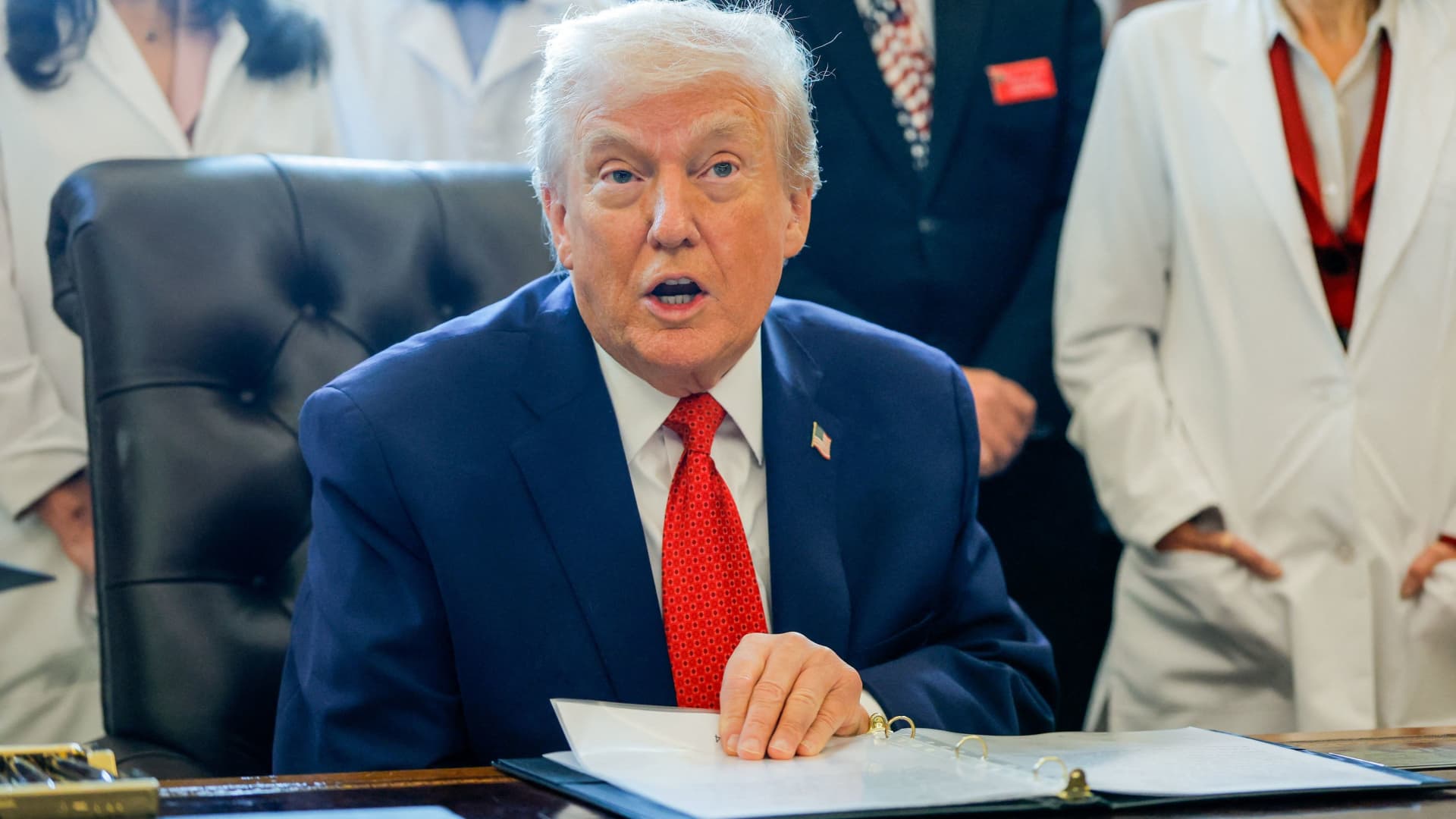
Listen up. This isn’t just another news cycle item about policy. It’s a seismic shift, a political earthquake disguised as an executive order. The official line from the White House spin doctors—that President Donald Trump signed an executive order to ‘fast-track’ the reclassification of cannabis to Schedule III to ease research—is only half the story. The real story, the one they don’t want you to know, is about leverage, money, and a desperate grab for a demographic that the Republican Party has completely alienated for decades. This wasn’t a sudden epiphany; it was a carefully plotted play that’s been festering behind the scenes for months, maybe even years. The pressure wasn’t coming from a grassroots movement; it was coming from high-powered financial interests who saw the writing on the wall and realized that the current federal prohibition model was costing them billions in potential revenue, and frankly, it’s about time someone peeled back the layers to expose the real game being played here. They’re positioning themselves for the next wave, and this reclassification is the starting pistol.
The Timing Isn’t Coincidence: The Political Calculus of 2024
When you look at the political landscape, everything about this timing stinks of calculation. Let’s trace it back. The initial signals came not from a place of public health concern, but from a growing realization that states like Arizona, Michigan, and Pennsylvania were seeing massive tax revenues from legal cannabis sales, which were, by the way, operating in direct conflict with federal law. The states were running roughshod over the federal government, and the Feds were essentially looking the other way, collecting absolutely nothing from this booming industry. This executive order, moving cannabis from Schedule I (defined as having no accepted medical use and high potential for abuse) to Schedule III (accepted medical use and moderate potential for dependence), changes everything on paper, allowing the federal government to finally get its hooks into a multi-billion dollar industry through taxation and regulatory control. It’s not about freeing the people; it’s about taxing the people. The political calculation is simple: appeal to the new generation of voters, many of whom are single-issue cannabis voters, by presenting a softened stance. It’s a classic move: give them a sliver of what they want so they forget about everything else you don’t offer them. And in a tight election year where every single vote counts in a handful of swing states, this move could be the difference between winning and losing. It’s a cynical, beautiful play, a real game-changer in terms of mobilizing a new demographic.
The Insider Track: What Schedule III Really Means for Big Pharma and Big Weed
Now, let’s talk about the real players. The transition to Schedule III is a massive win for Big Pharma. For years, pharmaceutical companies have been trying to isolate cannabinoids (the active compounds in cannabis) for specific medical applications. The Schedule I designation made clinical research a nightmare, forcing researchers to navigate a labyrinth of DEA regulations just to get access to a tiny amount of product. The new designation will streamline this process dramatically, allowing for much faster, cheaper, and more extensive research into specific compounds like CBD and THC for conditions like epilepsy, chronic pain, and PTSD. This isn’t about letting people smoke a joint on their porch; it’s about allowing corporate entities to develop patented, federally approved pharmaceutical products derived from cannabis. They’re going to call it ‘medicine,’ sell it for massive profit, and cut out the little guys. The existing state-level cannabis dispensaries, often operating as small businesses, are now going to face a tidal wave of competition from multi-billion dollar corporations that can finally enter the market legally and federally. This is where the real money is made, folks. The pharmaceutical industry has been salivating at this prospect for years, lobbying furiously behind closed doors to get this done. The executive order is just the official announcement of a deal that was cut long ago.
The Domino Effect: Interstate Commerce and Regulatory Chaos
The reclassification sets up a fascinating conflict between states’ rights and federal power. Before this executive order, state-level legal cannabis operations were operating in a legal gray area, a sort of ‘don’t ask, don’t tell’ policy where federal prosecutors simply chose not to enforce federal law in a state with legal weed. This reclassification, however, opens the door to interstate commerce for Schedule III drugs. A key issue here is the FDA’s new role. The FDA, which regulates Schedule III substances, will now have a vested interest in regulating cannabis products. This means that a state-level dispensary operating under a specific state regulation (say, no pesticides or specific potency testing) might suddenly find itself in violation of new federal guidelines from the FDA. The existing state-by-state patchwork of regulations, which created different markets with different prices and different quality standards across the country, is now under threat. The reclassification is the first step toward creating a uniform, federally controlled market where big players can dominate nationally, pushing smaller, state-specific operators out of business. It’s a classic power grab by the federal government, and the implications for small businesses are devastating. The only ones who stand to truly benefit in the long term are the established corporate giants who can afford to navigate the new regulatory maze. This isn’t about justice; it’s about market consolidation.
The Deep Background: A History of Calculated Moves
To really understand the implications, you have to look back at the history of cannabis legislation in the United States. The initial prohibition in 1937 was driven by a combination of racism (targeting Mexican immigrants and African Americans) and corporate greed (the hemp industry was a threat to paper and synthetic fiber interests). Fast forward to the 1970s, and President Nixon’s ‘War on Drugs’ cemented cannabis as a Schedule I substance, creating a legal tool used to target political opponents and minority groups. The Schedule I classification was never about science; it was about control. Now, after decades of fighting, a different kind of corporate greed is pushing for reclassification. The narrative has shifted from ‘reefer madness’ to ‘green gold.’ This isn’t a victory for social justice; it’s a victory for late-stage capitalism. They’re just changing the rules of the game to ensure they get a slice of the pie. The same system that criminalized it for profit is now legalizing it for profit. The reclassification to Schedule III essentially formalizes a two-tiered system: a recreational market (still federally illegal) and a medical market (now federally regulated). This creates a legal ambiguity that will be exploited by lawyers for years to come, making a mockery of the ‘War on Drugs’ while failing to truly address the social consequences of previous policies. The federal government has essentially said, ‘We’re going to keep it illegal enough to punish the small players, but legal enough for us to make money.’ This is a political tightrope act designed to appease everyone while truly benefiting no one except for the very few at the top.
Future Projections: The Real Endgame
The reclassification of cannabis to Schedule III is just the beginning. The next battleground will be interstate banking and commerce. Cannabis businesses, even in legal states, are currently forced to deal almost exclusively in cash because banks fear federal penalties for processing funds from a federally illegal substance. The Schedule III change doesn’t explicitly solve the banking problem, but it creates the necessary legal foundation for future legislation like the SAFE Banking Act, which would allow banks to service cannabis businesses without federal reprisal. The ultimate goal, and make no mistake about it, is a complete federal legalization that allows big corporations to move product across state lines, creating a national market and crushing smaller operations. The reclassification is a test balloon for full legalization. The government is testing the political waters to see how much they can get away with before they pull the trigger on a full policy shift. The political establishment understands that full legalization is inevitable; they’re simply working to make sure that when it happens, they’re the ones holding all the cards. This executive order is the first move in a much bigger game of chess, one where the pawns—the small businesses and the social justice advocates—are sacrificed for the benefit of the kings and queens—Big Pharma and big agriculture. The real story here isn’t about legalization; it’s about institutional control. It’s about ensuring that a few specific companies get to profit from a substance that was once used to put people in prison. The irony is staggering, and frankly, it makes my blood boil blood. The entire system is rigged, always has been, and this move just puts a new coat of paint on a very old, very broken machine.