The Big Sellout: Why Kevin Garnett’s Return Is a Betrayal of Everything He Stood For
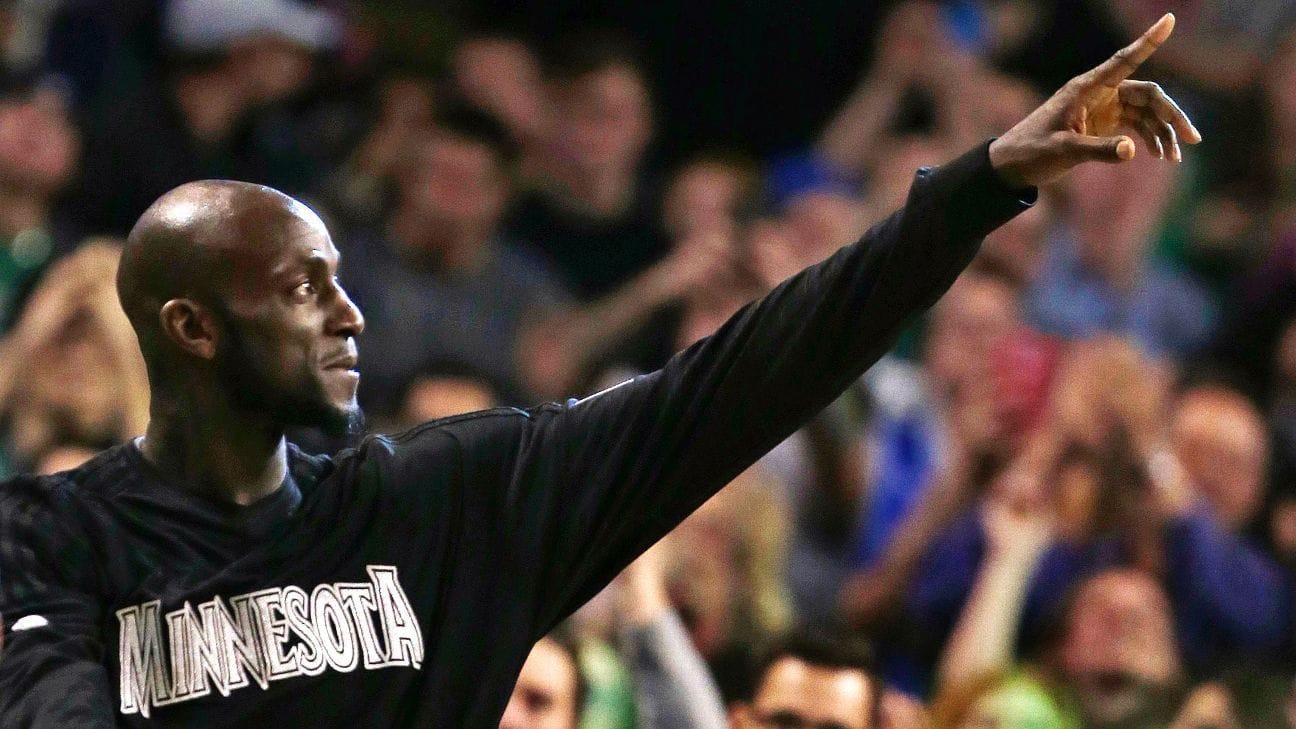
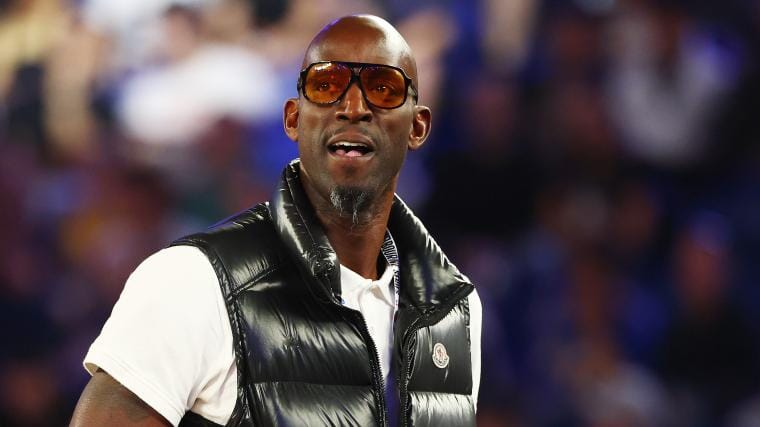
And so it happens. The inevitable, sickening, soul-crushing moment where the rebel, the iconoclast, the firebrand who dared to defy the establishment, finally folds. The news drops—soft, gentle, almost innocuous—Kevin Garnett, the one and only Big Ticket, is returning to the Minnesota Timberwolves in an “all-encompassing role” involving business development, fan engagement, and community outreach. The wolves of corporate America have finally captured the rogue wolf.
Because let’s not be naive. This isn’t some heartwarming family reunion where bygones are bygones and everyone realizes they were wrong; this is a calculated, cold-hearted corporate acquisition of a legacy, designed to whitewash decades of incompetence and disrespect from ownership. It’s a sellout, plain and simple, and it should make every fan who loved Garnett for his raw, unbridled intensity feel sick to their stomach, because The Man always wins, and this time, The Man bought The Ticket.
The Legacy of the Grudge: A Tale of Disrespect and Retribution
Let’s remember exactly *why* Garnett had a long-standing feud with the Wolves ownership, specifically former owner Glen Taylor. This wasn’t just a squabble over a bad contract or playing time; this was about fundamental disrespect and trust issues that defined Garnett’s entire relationship with the franchise after his playing days ended. The final straw, the one that made him refuse to allow his jersey retirement under Taylor’s reign, wasn’t just about a broken promise or a missed opportunity to transition into ownership. It was about the way Taylor treated him after Flip Saunders died, essentially cutting him off from the franchise and the people he loved, demonstrating a complete lack of emotional intelligence or respect for the man who single-handedly saved basketball in Minnesota.
Garnett didn’t want to play for Taylor; he demanded a trade in his second tenure with the team because he saw the writing on the wall—the same old corporate shenanigans that defined the Wolves’ existence since the beginning. He saw a lack of vision, a lack of commitment to winning, and a complete disregard for the cultural impact he had created. He drew a hard line in the sand, saying he wouldn’t let his jersey hang in the rafters as long as Taylor was around, because doing so would legitimize an ownership group that consistently failed the team and the fans. And for years, we respected that stance. We respected the integrity of the grudge, because it felt like a mirror to our own frustrations as fans.
But now? Now Taylor has sold the team, and suddenly Garnett is back in the fold. It’s a convenient, almost too-clean resolution. The new ownership, Marc Lore and Alex Rodriguez, are clearly trying to sanitize the franchise, erase the past, and leverage Garnett’s cultural capital to sell season tickets and corporate sponsorships. Garnett, the rebel, has become Garnett, the brand ambassador. The same fire that fueled his on-court fury, the one that made him scream, ‘ANYTHING IS POSSIBLE!’, has been extinguished by the cold hard cash of an ownership group that sees him as a commodity, not a legend.
The New Role: Corporate Jargon for ‘Figurehead’
Let’s break down the language of the press release. “All-encompassing role.” “Business, community, and fan-engagement efforts.” “Content creation.” This isn’t a job for a basketball mind; it’s a job for a social media influencer with a high profile. It’s a role designed to put a famous face on a corporate mission statement. Garnett isn’t going to be sitting in on strategy meetings about shot selection or defensive rotations; he’s going to be at meet-and-greets, signing autographs for corporate partners, and doing sponsored content where he pretends to care about the new arena food. He’s becoming a mascot in a suit, a human shield against fan criticism. The new owners are essentially saying, ‘Hey, look, we’re cool! We brought back KG! See? We get it now!’
But do they really get it? Or are they just using him to sell a new era of mediocrity? Because let’s be honest, the Timberwolves are perpetually stuck in a state of ‘almost there.’ They have the talent, they have the core pieces, but they lack the winning culture. Bringing back Garnett in a community role doesn’t fix that. It just puts a temporary Band-Aid on a gushing wound. The fans will be distracted by the nostalgia, by the jersey retirement ceremony, by the feeling that everything is right again. Meanwhile, the core issues remain: inconsistent performance, questionable coaching decisions, and a franchise that historically struggles to retain talent.
And this is where the betrayal hurts the most. Garnett’s return legitimizes a new generation of ownership that has yet to prove itself. They are leveraging his legacy before they’ve earned the right to do so. The new owners have successfully convinced Garnett to drop his long-standing grievance, to essentially forgive and forget decades of mismanagement, by offering him a title and a platform. It feels cheap, like buying back a stolen item instead of demanding justice for the theft itself. He once demanded respect; now he has settled for a paycheck and a place in the corporate hierarchy.
The Price of Nostalgia and the End of an Era
And let’s look at the broader implications here. This is part of a growing trend in sports where nostalgia is weaponized. Teams aren’t just selling a game; they’re selling an experience, a memory, and a feeling of continuity. They bring back retired legends not for their current value to the team’s operations, but for their ability to generate revenue from older fans who remember the glory days. It’s a cynical move that preys on emotional attachment. The entire narrative surrounding this reunion is built on the idea that Garnett’s return will somehow magically infuse the team with his intensity. But intensity on the court is different from community engagement off the court. He was once a snarling, competitive force; now he’s a smiling corporate figurehead. The contrast is jarring.
This isn’t a story about Garnett becoming an owner, or even a real basketball operations decision-maker. It’s about him taking a ceremonial position, a shiny title for a role that primarily consists of public relations and brand management. And for a man who famously said, “Anything is possible,” this feels like a retreat, a concession that perhaps not everything is possible when you’re facing the overwhelming power of corporate structure. He lost the war, even if he thinks he won this battle. The system absorbed him, neutralized him, and turned him into exactly what he used to fight against. The “Angry Rebel” persona has officially been retired, replaced by the “Corporate Ambassador” persona. The jersey retirement ceremony won’t be a celebration; it will be a funeral for a legend’s integrity.
Because when you’re a true rebel, you don’t compromise with the system you fought. You don’t take a high-level corporate gig from the very type of people you criticized. You don’t become a part of the machine. Garnett was supposed to be different. He was supposed to hold the line. He was supposed to represent the antithesis of corporate sports—the raw, unfiltered passion that makes us love the game in the first place. But this new role? It makes him just another part of the establishment, another face on a billboard, another cog in the machine that systematically drains the personality out of sports and replaces it with marketable statistics and fan engagement metrics. The era of the true rebel in the NBA is over; long live the corporate shill.