The Official Lie: A Cinderella Story for the Ages
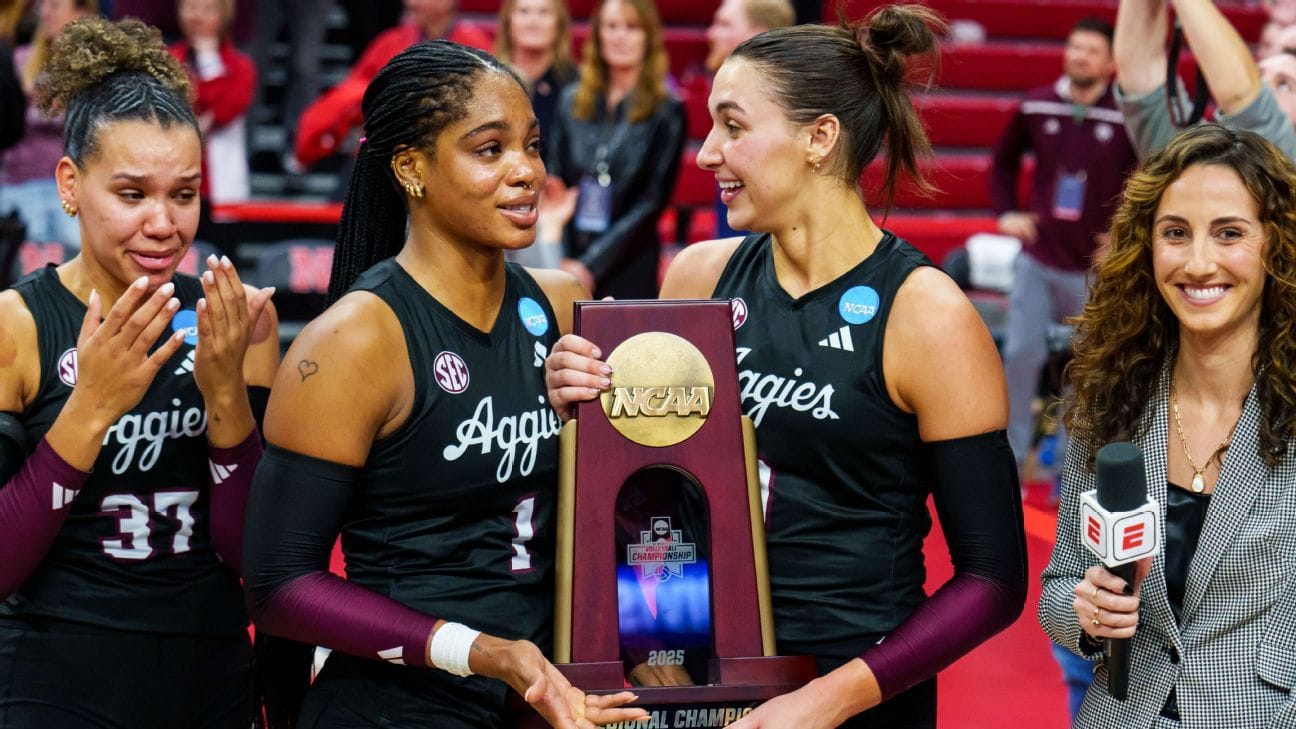
Here we go again, folks. The talking heads on TV are full-tilt, gushing about the ‘magic’ of March Madness (even though it’s technically November for volleyball) and how Texas A&M’s monumental upset of Nebraska is a beautiful example of the American dream. They call it a Cinderella story, a testament to hard work and an inspiration for every small program out there. They say this is proof that the NCAA tournament system—a system of supposedly fair seeding and balanced brackets—actually works perfectly, creating exactly the right amount of chaos and drama to keep us glued to the screen.
Listen closely to what they are saying and what they aren’t saying, because the official narrative is exactly that: a narrative. It’s designed to make you feel warm and fuzzy, to sell advertising space, and to distract you from the fact that this specific upset, where an underdog team (Texas A&M, ranked #3) beats a supposedly invincible #1 seed (Nebraska), isn’t actually a sign that the system works. It’s proof that the system is broken (and has been for years), and a small, chaotic crack in the foundation finally gave way to expose the rot underneath. Don’t let them tell you otherwise; a Cinderella story, by definition, implies that something extraordinary and unexpected happened, but the ‘extraordinary’ part here is that the establishment ever let this happen in the first place, or perhaps more accurately, that a team was allowed to be so undervalued in the first place.
Nebraska’s loss wasn’t just a shocker; it was a necessary earthquake that disrupted the pre-scripted final four everyone in the media already had written down. The system, you see, loves its blue bloods. It loves predictability. It loves when teams like Nebraska, Wisconsin, and Texas meet in the late rounds because those are the names that drive high ratings, fill arenas, and move merchandise. The NCAA Selection Committee, despite all its talk about objective metrics, RPI scores, and strength of schedule, consistently prioritizes historical prestige and brand recognition. When you are a blue blood, you are given the benefit of the doubt—even when your performance throughout the season, or your potential matchups in the tournament, suggest otherwise. This bias creates artificial advantages and puts certain programs on a fast track to the Final Four.
The Establishment’s Favorite Scapegoat: Nebraska’s Invincibility Myth
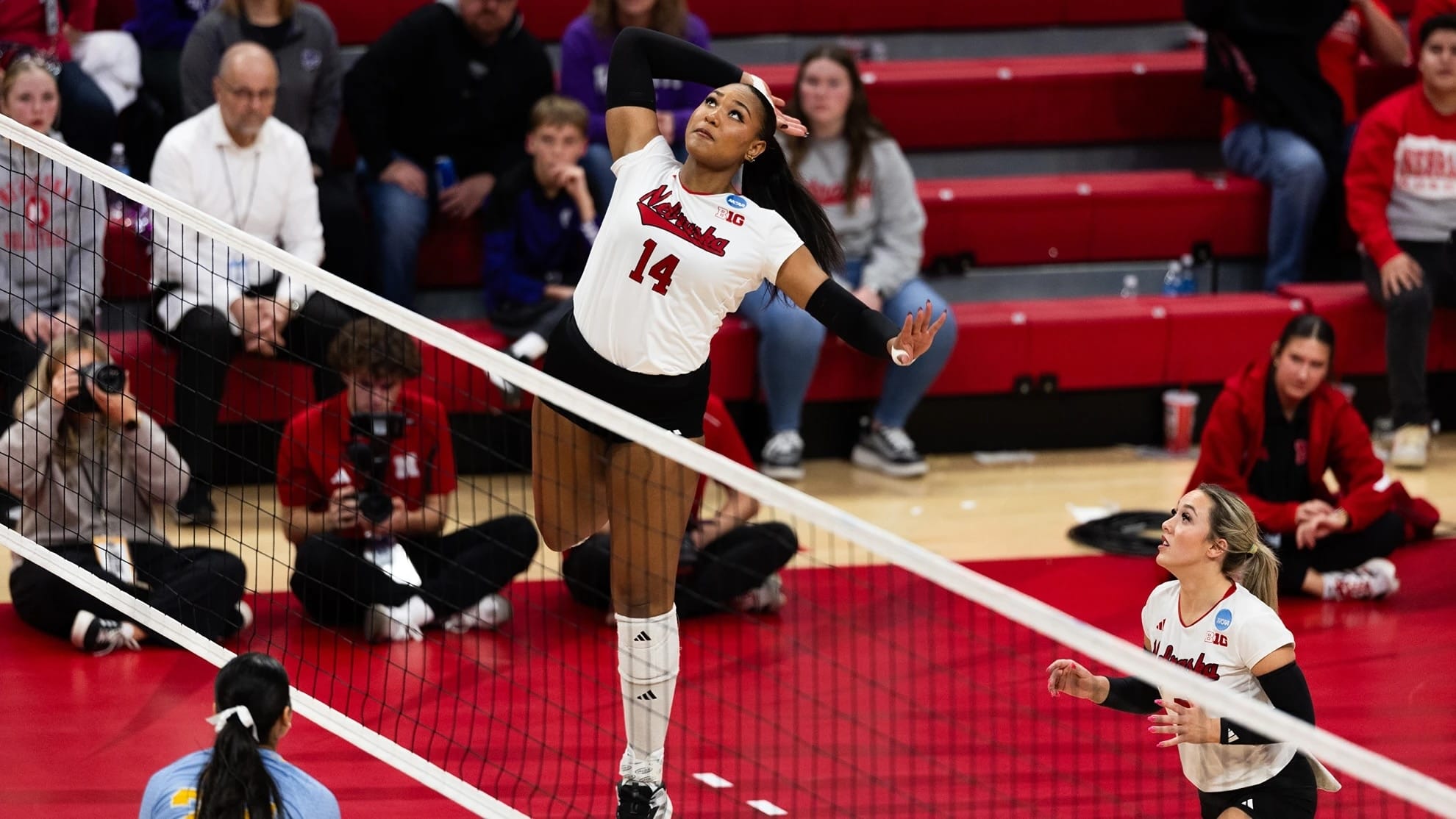
Let’s talk about Nebraska for a minute. They are the epitome of the ‘blue blood’ program in volleyball. They have a massive fanbase, a history of championships, and an aura of invincibility that the media constantly reinforces. Every year, it seems like the narrative starts with, “Nebraska is unbeatable.” This creates a self-fulfilling prophecy. The media elevates them, which puts pressure on every team they play, and in turn, the selection committee rewards them with a top seed (in this case, the #1 overall seed) that usually gives them a theoretically easier path through the bracket. The media loves this because it creates a clear villain or hero figure, but it completely ignores the actual competition that exists outside of this inner circle of power programs (Pitt, which is also a strong program, gets less attention than Nebraska, for example, even though they’ve both been highly successful recently).
The entire storyline surrounding Nebraska this year—going undefeated in the regular season—was built to solidify their status as the inevitable champions. The media coverage treated every win as proof of their greatness rather than acknowledging the close calls or potential weaknesses that might have existed beneath the surface. When a team gets this kind of hype, it makes an upset feel like a cosmic alignment rather than a competitive reality. But here’s the kicker: Texas A&M’s win over Nebraska wasn’t just a fluke. It was a five-set marathon that exposed the very real vulnerabilities of a team propped up by hype. The Aggies played with determination, yes, but they also played with skill and strategy that were dismissed by the narrative machine, (which, by the way, probably had a pre-written story about Nebraska advancing that they had to scramble to delete once the match went final).
The Truth: The NCAA System Is Designed for Oligarchy
The real story here isn’t about Texas A&M’s heart; it’s about the NCAA’s fundamental bias toward maintaining the status quo. The NCAA selection process isn’t truly about finding the best 64 teams; it’s about making sure the best-known teams (the ones that generate the most revenue) have the easiest path to the final rounds. The entire structure of college sports, from football to basketball to volleyball, is built on a foundation where a select few institutions hoard the resources, media attention, and (most importantly) the committee’s good favor.
The selection committee often relies heavily on ‘prestige bias.’ They look at a team’s history, their conference affiliation, and their past performance in the tournament, often giving less weight to current, late-season momentum or head-to-head results that might challenge the established order. This is why a team from a mid-major conference (even a good one) often has to go undefeated to get a decent seed, while a team from the SEC or Big Ten can drop several games and still be a top seed. The NCAA wants a Final Four full of established brands because that’s what sells tickets and draws advertisers. An unexpected team like Texas A&M reaching the Final Four is a ‘problem’ for this model, not a feature. The media will frame it as a ‘feel-good story’ precisely because they need to normalize the fact that the system sometimes fails to deliver its pre-programmed results.
The Illusion of Parity vs. The Reality of The Power Five
Let’s talk about parity. The media loves to use this word whenever an underdog wins, claiming it proves the tournament’s fairness. This couldn’t be further from the truth. Parity, in this context, is a lie. The financial disparities between the ‘Power Five’ conferences (or in volleyball’s case, the dominant conferences like the Big Ten, SEC, and Pac-12/ACC) and everyone else are staggering. These programs have better facilities, larger budgets, and more media exposure, which allows them to recruit top talent consistently. A team like Texas A&M has to fight tooth and nail just to be recognized as a legitimate threat, while Nebraska or Wisconsin start every season as an automatic frontrunner in the eyes of the public. (It’s a vicious cycle that makes true parity impossible to achieve in a meaningful way, no matter how many ‘Cinderella’ stories they tell us about.)
The reason upsets happen isn’t because the system is fair; it’s because, occasionally, a truly exceptional team overcomes all the obstacles placed in front of them by a biased system. Texas A&M didn’t just win a match; they dismantled the narrative of Nebraska’s invincibility, forcing the media and the committee to confront the fact that their pre-season assumptions were flawed. The fact that the Aggies were a #3 seed and had to go through a #1 seed to reach the Final Four suggests that the committee may have undervalued them from the beginning, (or perhaps overvalued Nebraska to ensure a predictable bracket).
The Hypocrisy of ‘Growth’ in Women’s Sports
The media constantly talks about the need to grow women’s sports and increase visibility for athletes. Yet, when a moment like this happens—when a team like Texas A&M, which isn’t one of the traditional powerhouses, breaks through—the media narrative immediately shifts to a focus on the upset itself, rather than a deep dive into what makes this new team successful. They focus on the ‘shock value’ rather than the implications for the future of the sport. True growth requires consistent media attention for a wide range of teams, not just the ones that make headlines for beating a Goliath.
The NCAA system, with its rigid structure and emphasis on traditional power, hinders the very growth it claims to foster. It makes it extremely difficult for new programs to gain a foothold and build a national reputation. When Texas A&M wins, it’s treated as an anomaly. If they were to win the championship, the media would likely attribute it to luck or a rare alignment of circumstances, rather than acknowledging the possibility that the ‘blue bloods’ might not actually be the best teams in the country every single year. The constant recycling of the same narratives prevents the sport from truly evolving and allows the establishment to maintain control.
The selection committee process, shrouded in secrecy and filled with subjective metrics, is ripe for bias. It’s hard to imagine that committee members, who are often athletic directors or administrators at major universities, don’t subconsciously favor teams that represent a certain level of established wealth and historical success. (Why would a committee member want to risk their own conference losing out on a top seed to an emerging program?) The NCAA is a business, and the business model dictates that the biggest names go to the biggest stages. Upsets like Texas A&M over Nebraska are treated as disruptions to the business plan, not celebrations of competition.
The Future of Volleyball: Chaos or Control?
So where do we go from here? Does this upset signal a permanent shift in the landscape of college volleyball? Will new teams rise to challenge the old guard? The Angry Rebel perspective says: probably not. The NCAA will likely treat this as an outlier and double down on its favored teams in future seeding. The media, having gotten its ‘Cinderella story,’ will revert to focusing on the traditional powerhouses next season. The system, like a stubborn machine, will try to correct itself by ensuring that the next round of seeding and bracket-making favors the established order even more heavily.
However, what Texas A&M did proves one thing for certain: The ‘blue bloods’ are not invincible. They are vulnerable, just like everyone else. The constant media hype and preferential treatment don’t guarantee victory. The fact that an underdog can break through and expose the system’s flaws is a powerful, albeit brief, moment of true competition in a rigged game. Let’s not call it a ‘Cinderella story.’ Let’s call it what it really is: A temporary victory against a powerful establishment determined to maintain control, a moment where a system designed for oligarchy briefly faltered because one team refused to read the script and accept the script.
It’s time to stop accepting the official narrative and acknowledge that the real excitement in college sports isn’t the predictable march of pre-selected champions; it’s the pure, unadulterated chaos that ensues when a team dares to challenge the establishment and expose the lie that the system is fair. The Texas A&M win isn’t just about volleyball; it’s about a fundamental flaw in the way we structure and celebrate competition, prioritizing tradition and revenue over genuine meritocracy.