The Deconstruction of Dolan’s Departure: A Calculated Move by Rome
Did Cardinal Dolan Really Retire, or Was He Sidelined?
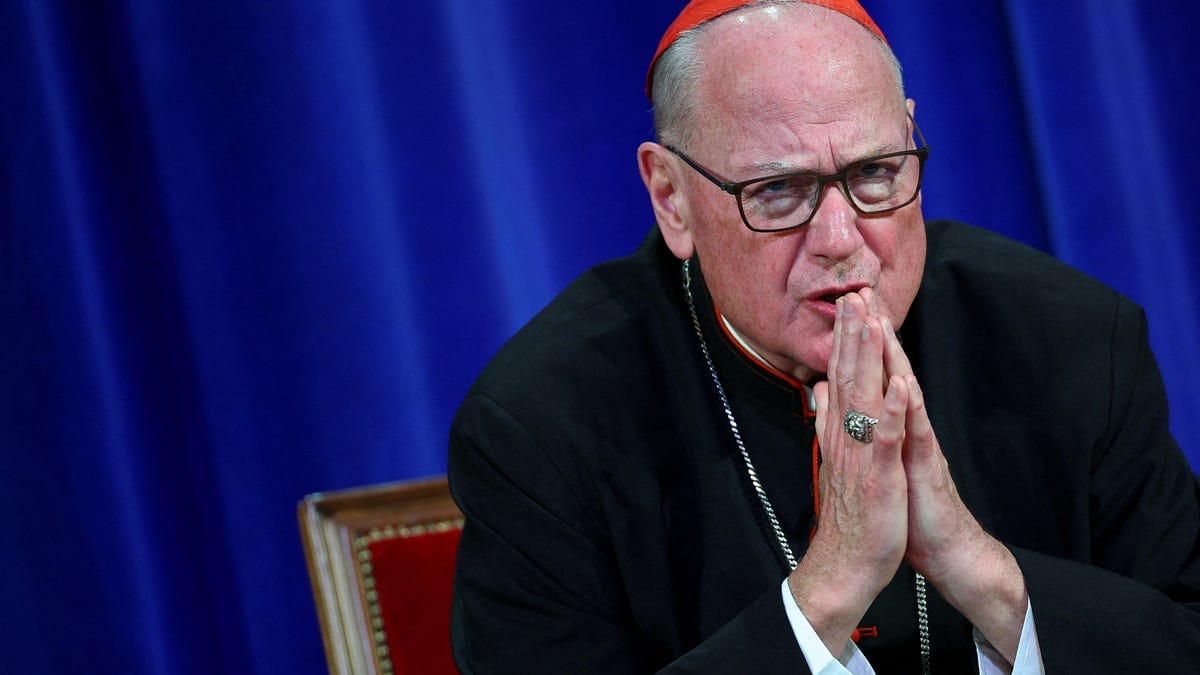
Let’s not pretend this is simply about the numbers on a calendar. When a Cardinal reaches 75, the Church’s Canon Law dictates they must offer their resignation to the Pope. It’s a formality, a polite gesture. The Pope, however, has absolute discretion to accept or reject it. He can keep a favored Cardinal well into their late 70s or even 80s if he finds them useful. Look at history: Popes have often retained powerful figures long past the mandatory retirement age. The fact that Pope Leo accepted Cardinal Timothy Dolan’s resignation almost immediately, without delay, signals a clear message: Dolan’s tenure was over, not by his choice alone, but by papal decree. This isn’t a transition; it’s a strategic repositioning of the American Catholic Church’s high command, and it’s a direct response to a changing political landscape.
Dolan represented a specific era of American Catholicism—one that sought accommodation with conservative political forces while focusing internally on the culture wars. He was seen as a bridge builder between the Church and the Republican Party, a necessary role for a time when certain issues aligned closely with conservative platforms. His public persona, often jovial and somewhat folksy, made him popular with a specific demographic, but perhaps less appealing to a Vatican pushing a more radically progressive agenda on social justice and climate change. His retirement, therefore, is not a quiet end to a long career, but rather a clean sweep, allowing Pope Leo to install a handpicked successor who aligns perfectly with the current Vatican agenda. Dolan was a product of a different time; Pope Leo needed a different kind of leader, one who wouldn’t just hold the line but actively push a new boundaries in the American political sphere.
The New Sheriff in Town: Who is Archbishop Ronald Hicks, Really?
Is Archbishop Hicks’ Appointment a Coincidence or a Tactical Strike?
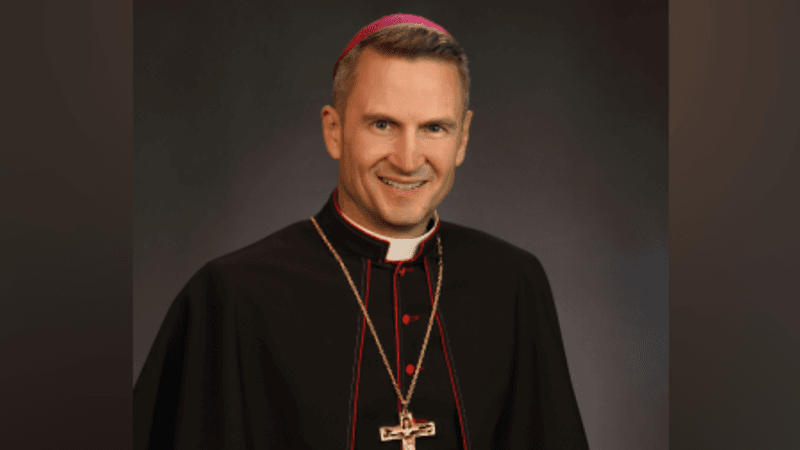
The selection of Archbishop Ronald Hicks to replace Dolan in the high-profile New York Archdiocese is anything but coincidental. This isn’t some backroom deal; it’s a carefully orchestrated geopolitical move by the Vatican. The official announcement highlights Hicks’ “first-hand experience of countries from where millions have emigrated to the United States.” That’s not a throwaway line; it’s the entire thesis of the appointment. This isn’t just about pastoral care; it’s about shifting the narrative from a theological focus to a social justice focus, using migration as the primary lens. The New York Archdiocese is a global media platform, a place where every word spoken echoes internationally. Placing a pro-migrant archbishop in this specific seat right now is the equivalent of launching a political missile in the middle of a hotly debated election cycle. The Vatican wants to make a point, and this appointment is the exclamation mark.
Hicks is known for his work in Latin America and his deep understanding of immigration patterns. He has a history of engaging with these communities directly, giving him both credibility and practical experience that Dolan lacked. The message to the United States government and conservative elements within the Church is unequivocal: The Vatican is prioritizing the rights and welfare of migrants above all else, and it’s willing to leverage its most visible assets to do so. The timing of this move, right as anti-immigrant rhetoric heats up in the U.S. political cycle, demonstrates a profound understanding of American politics. Pope Leo isn’t just reacting; he’s proactively shaping the discourse. This isn’t simply a matter of faith; it’s about power dynamics on a global scale. The Church knows it cannot compete with secular governments on technology or economics, but it can assert moral authority on issues like migration, giving it leverage on the world stage.
The Great Political Divide: Vatican vs. America First
How Does This Appointment Directly Challenge Trump-Era Politics?
The Vatican’s move is a clear and direct challenge to the “America First” ideology that has dominated conservative discourse, particularly under the Trump administration. The core of the conflict lies in the fundamental disagreement over national borders and sovereignty versus global solidarity and human dignity. The Trump-era approach emphasizes strict border enforcement, reduced immigration numbers, and a focus on national interests above international obligations. The Vatican’s perspective, as expressed by Pope Leo, rejects this notion, emphasizing the moral imperative to welcome strangers and provide for the marginalized. This isn’t a subtle disagreement; it’s a fundamental ideological clash.
Pope Leo’s vision for the Church is one where it acts as a global advocate for the vulnerable, often putting it at odds with nationalist governments. By appointing Hicks, the Pope is making a very public statement that the Church in New York will be an active participant in this political fight, not a passive bystander. The New York Archdiocese will likely become a hub for pro-migrant activism, sanctuary movements, and political lobbying against restrictive immigration policies. The change in leadership signals a shift away from focusing solely on cultural issues like abortion and same-sex marriage—which have traditionally mobilized conservative Catholic voters—and toward issues of social justice and economic inequality. This creates immediate friction with conservative American Catholics who feel their concerns are being marginalized by a liberalizing Vatican.
The Future of American Catholicism: A Collision Course
What Are the Long-Term Implications of This Ideological Shift?
The implications of this appointment extend far beyond New York City; they define the future trajectory of American Catholicism. The new focus on social justice issues, led by figures like Hicks, suggests a widening chasm between the Vatican and a significant portion of its American flock. Many conservative American Catholics feel increasingly alienated by Pope Leo’s policies, viewing them as overly political and liberal. The tension is palpable: Will the American Church follow the Vatican’s lead, embracing a globalist, social justice-oriented platform, or will it cleave closer to the conservative political values of its most fervent members? The appointment of Hicks suggests that the Vatican is prepared to force the issue. It’s a high-stakes gamble. The Church risks alienating some of its most financially supportive members, but gains moral authority on the international stage. It’s a trade-off between domestic stability and global influence.
Furthermore, this move suggests a new strategy for the Church in a secularizing world. If it cannot compete with secularism in developed nations, it will re-center itself around issues of migration and poverty, where it still holds significant moral authority. The Church is positioning itself as the last line of defense for migrants worldwide. This gives it a purpose beyond traditional religious practice, making it relevant to modern, secular political debates. The appointment of Hicks isn’t just about New York; it’s about establishing a new global identity for the Catholic Church in the 21st century. It’s a clear, calculated move to shift the focus from internal doctrinal purity to external social engagement, making the Church a key player in international politics. This appointment proves the Vatican is playing chess, while most people are playing checkers. Dolan was a good man, but he wasn’t built for this particular kind of fight.
The Vatican’s Political Chess Match: Strategic Disruption
Is Pope Leo Using Migration as a Tool for Political Leverage?
Absolutely. Let’s analyze this from a purely geopolitical standpoint. The Vatican is a sovereign state, and like any state, it seeks to maximize its influence. Migration, particularly large-scale movements from the Global South to the North, provides the Vatican with a unique opportunity to assert its power. When secular governments fail to address these issues effectively, or when they resort to harsh, restrictive measures, the Church steps in as the moral arbiter. By positioning itself as the primary advocate for migrants, the Church gains leverage over national governments. It can criticize policy, mobilize public opinion, and influence international agreements in ways that secular humanitarian organizations cannot, simply because it possesses a vast global network and a claim to divine authority. This makes the Church an indispensable player in global affairs, ensuring its continued relevance in a post-modern world.
The move to install Hicks in New York is a classic example of this strategic disruption. New York City is a major political and economic hub, and having a pro-migrant voice at the head of its archdiocese creates immediate friction with conservative political leadership in the US. This friction is not a bug; it’s a feature. The Vatican wants this confrontation. It seeks to provoke a debate and force a decision on the issue of migration. By doing so, it forces secular governments to either align with the Church’s moral stance or face accusations of inhumanity. It’s a brilliant strategy for maximizing influence with minimal resources. The Vatican understands that moral authority, when properly leveraged, can be far more powerful than military or economic might. The appointment of Hicks is a clear signal that the Vatican is prepared to go toe-to-toe with national governments on this issue, and it’s using the New York archdiocese as its primary battleground. This is a high-stakes gamble for a church facing declining attendance in many developed countries; however, but it’s a necessary play to maintain relevance.