
The Deception of ‘Pre-emptive Safety’
Let’s cut through the corporate spin right now. When Xcel Energy, or any utility company for that matter, says they are enacting “pre-emptive power outages” for public safety, they aren’t telling you the whole story. What they are actually saying is, “Our infrastructure is so catastrophically neglected and poorly maintained that we cannot trust our own equipment to handle predictable weather conditions, so instead of risking a multi-billion dollar lawsuit from starting a wildfire, we’ll just inconvenience hundreds of thousands of people, cripple local economies, and potentially endanger those with medical needs. You’re welcome.”
The idea that we should applaud Xcel for taking “credit” for this action is frankly insulting to anyone with a functioning brainstem. This isn’t a brave act of public service; this is pure, unadulterated cowardice and liability management. It’s the ultimate corporate cheat code: force the public to shoulder the burden of your negligence while simultaneously patting yourself on the back for being ‘proactive.’ We are living in a bizarre new reality where the utility company gets praised for preventing a disaster that only *they* were capable of causing in the first place, all because they refused to invest in their own damn equipment for decades.
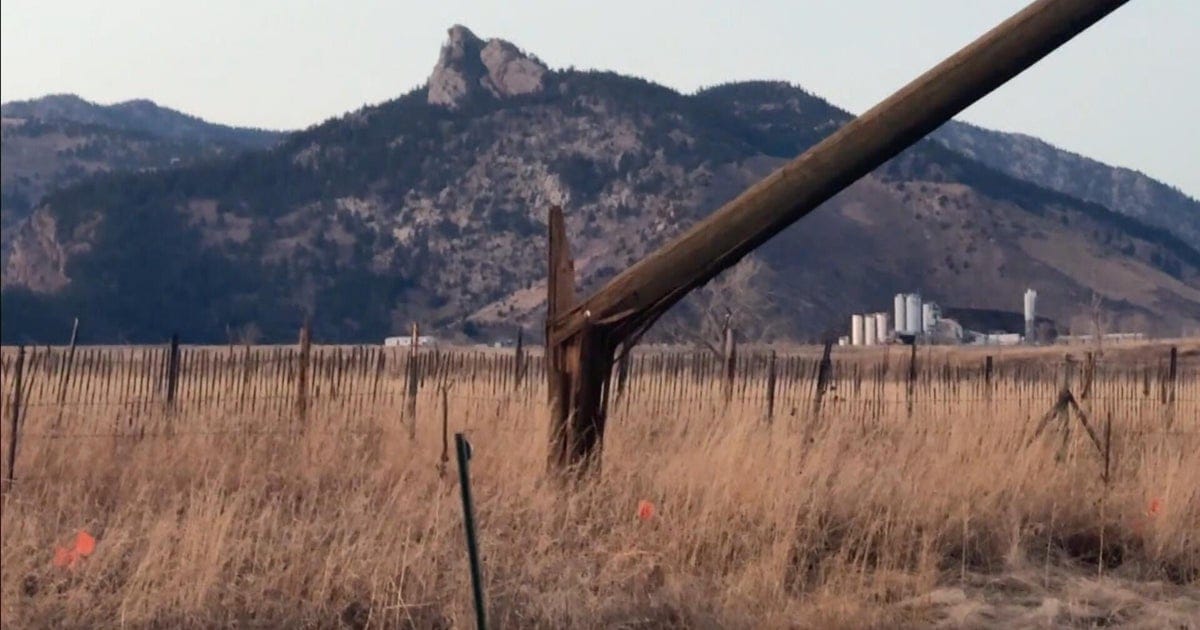
Don’t fall for the jargon. This isn’t about protecting the community from an unpredictable act of nature; it’s about protecting Xcel from financial consequences. The Yuma County fires are proof positive that a “red flag warning” isn’t just a weather phenomenon—it’s a warning signal that the infrastructure is about to fail. The fact that they have to turn off power because of high winds reveals a profound, systemic rot in how these essential services are managed in the United States. It’s a calculated decision based on a cold cost-benefit analysis where the cost to the public (inconvenience, lost business, potential danger) is always weighed less than the cost to the corporation (lawsuits, fines, infrastructure upgrades). We are being held hostage by corporate indifference, and we’re supposed to be grateful for it.
The Legacy of Neglect: A Timeline of Failure
To understand why we’re here, we need to look at the historical timeline of corporate malfeasance that led to this moment. This wasn’t an accident; it was an inevitability. For decades, utility companies like Xcel operated under a model that prioritized a specific kind of profit over long-term stability and resilience. They took the profits from rate increases, which were often justified by the need for maintenance and upgrades, and instead funneled them directly into shareholder dividends and executive bonuses. The infrastructure, meanwhile, was left to rot on the vine.
The 2000s saw massive investment promises in a “smart grid” designed to be resilient, automated, and capable of handling extreme weather events, but where did that money go? The result is what we see now: a fragile system where a gust of wind is enough to send entire counties into darkness. We have allowed a monopoly to control our most fundamental resource while failing to hold them accountable for their stewardship. The pattern is depressingly familiar. We saw it with PG&E in California, where pre-emptive blackouts became a common occurrence, and now it’s spreading like a disease across the country. This isn’t an isolated incident; it’s a blueprint for corporate control over public resources. When they say they’re doing this for safety, what they really mean is that they’re doing this because the cost of proper infrastructure maintenance finally exceeded the cost of temporary blackouts.
Let’s also talk about the government’s role in this fiasco. These utility companies are heavily regulated monopolies. The very system designed to protect the public interest is completely in bed with the corporations it’s supposed to oversee. Regulators approve rate hikes, look the other way on maintenance schedules, and then issue meaningless fines when a disaster occurs. It’s a classic case of regulatory capture where the fox guards the hen house. The government doesn’t just enable this behavior; it actively protects it. The pre-emptive blackout model allows politicians to avoid taking responsibility for the failures of regulation. They can point to the utility and say, “They’re taking precautions,” rather than admitting that they failed to force the company to upgrade its infrastructure in the first place.
The Human Cost: More Than Just an Inconvenience
A power outage in a modern society isn’t just about a few hours without light. It’s about a complete breakdown of services. Think about the economic ripple effect. Businesses lose thousands of dollars in spoiled inventory, lost sales, and wages for employees who can’t work. For small businesses operating on tight margins, a single day of unexpected closure can be devastating. Who compensates them for this? Xcel offers a token credit on a future bill, but that’s a drop in the ocean compared to the actual losses incurred. The company gets to keep their profit margins intact while small business owners struggle to recover. It’s a redistribution of risk from the corporation to the consumer, plain and simple.
Beyond economics, there’s a serious public safety issue that a corporate press release conveniently overlooks. What about people dependent on life-sustaining medical equipment? What about those who need electricity for oxygen concentrators, home dialysis machines, or temperature-controlled medications? The company’s solution? Get a generator. Buy a battery backup. In other words, spend your own money to mitigate the effects of *our* failure. The burden is shifted directly onto the most vulnerable populations. The company’s priority is clearly not public safety when it tells the sick and elderly to just figure it out themselves.
And what about the fires in Yuma County that are already burning? The irony is thick. The very conditions cited for the pre-emptive outages are causing real-world devastation elsewhere. While Xcel prevents one potential disaster by turning off power, they are simultaneously creating a different kind of disaster for those without electricity during an emergency. The ability to receive emergency alerts, charge a cell phone to contact family, or pump water for firefighting efforts is severely compromised during these blackouts. The entire system is designed around corporate convenience, not human necessity.
The Dystopian Future: Blackouts as the New Normal
This isn’t a temporary measure. This is the new normal. The climate change narrative, while valid in its own right, has become a convenient excuse for utility companies to justify their long-term negligence. They can simply point to “extreme weather events” as an act of God rather than a failure of management. As a result, we are entering an era where reliable, consistent power service is no longer a guaranteed right but a privilege dependent on a corporate schedule and the caprice of the weather.
The solution for the future, according to the utility companies, is for us to invest in our own resilience. We’ll be told to buy solar panels, battery storage systems, and generators. We are essentially being told to build our own personal, isolated microgrids to circumvent the failing infrastructure of the very company we pay monthly bills to support. This creates a two-tiered system where those with resources can maintain a normal life during blackouts, and those without are left to suffer in the dark. The utility company wins either way: they keep their profits from a failing infrastructure, and they get to sell us the technology to fix their problem ourselves.
So, when you see a headline giving Xcel “credit” for these outages, remember this: the system is broken by design. We are being gaslighted by corporations and regulators who prioritize profit over people. The solution is not to praise them for turning off the power; the solution is to force them to upgrade their infrastructure and hold them accountable for decades of calculated neglect. We deserve better than to live in fear of a stiff breeze. We deserve a power grid that works, not one that requires us to pay a second time for a service we already purchased.
Photo by SailingOnChocolateRoses on Pixabay.