The Great Power Grab: Xcel and the Manufactured Crisis of ‘High Wind Safety’
Let’s talk about what’s really happening here, because the polite press releases from Xcel Energy about ‘preemptive power shutoffs for high winds’ are just pure, unadulterated spin. They’re telling customers to brace themselves, to be ready for the lights to go out because, get this, the very wind they want us to rely on for ‘green energy’ is now too dangerous for their dilapidated infrastructure. It’s not safety, folks; it’s liability management. The big utility companies—and make no mistake, Xcel is just one head of this hydra—are holding entire communities hostage to avoid a lawsuit when their shoddy equipment inevitably fails. They’re essentially saying, ‘Hey, we know our poles and wires are old, maybe a little rusty, and definitely not built for these new extreme weather patterns we keep having, so instead of fixing them properly, we’re just going to turn off the power and blame Mother Nature.’ It’s the ultimate gaslighting maneuver from a corporation that has successfully convinced regulators and the public that they’re a necessary evil, when in reality they are an increasingly fragile point of failure for our entire society.
The Green Irony of Wind Power and Blackouts
The irony here is so thick you could cut it with a knife. For years, we’ve been told that a sustainable future depends on transitioning to renewable sources like wind energy. Wind turbines are supposed to be the symbols of progress and environmental responsibility. But now, when a big, bad wind event actually hits—the very element that’s supposed to save us—the utility companies can’t handle it. They shut off power not because the turbines are failing (though sometimes they do), but because the older, conventional infrastructure (the transmission lines, the transformers, the poles) simply can’t withstand the conditions. This isn’t a problem with the wind; this is a problem with the grid. We have a 21st-century energy vision being delivered through a 19th-century infrastructure, and the utility companies know it. They are in a no-win situation where they either let the grid get smashed by high winds (a major liability for wildfires and equipment damage) or they proactively cut the power, which makes everyone angry anyway (especially when schools are closing and people can’t work from home). It’s a lose-lose for the consumer, a win-win for Xcel, which minimizes its legal risk either way.
The PG&E Playbook: Preemptive Blackouts as the New Normal
This whole ‘preemptive power shutoff’ strategy isn’t new; it’s a playbook stolen straight from California’s PG&E (Pacific Gas and Electric), which basically pioneered the concept of Public Safety Power Shutoffs (PSPS) as a way to avoid starting wildfires. Remember how PG&E, after years of neglecting infrastructure maintenance and letting high-voltage lines become fire hazards, simply started turning off power to millions of people during fire season? This was their ‘solution’ to a problem that corporate greed created. Now, Xcel Energy is adopting the same tactic, just swapping ‘wildfires’ for ‘high winds.’ It’s a terrifying precedent because it normalizes the idea that access to electricity is conditional, fragile, and ultimately dependent on a corporation’s willingness to absorb risk. We’ve gone from a society where power was a reliable utility to a society where power is a privilege, subject to a company’s algorithm and weather forecast. The worst part is that once a company implements this policy, it’s very hard for them to go back, because the legal and financial incentives overwhelmingly favor cutting the power first and asking questions later. This is not just a temporary measure for a windy Wednesday; this is the new normal being established right now in Colorado, and it will spread.
The Financial Hostage Crisis: Small Businesses and Home Offices
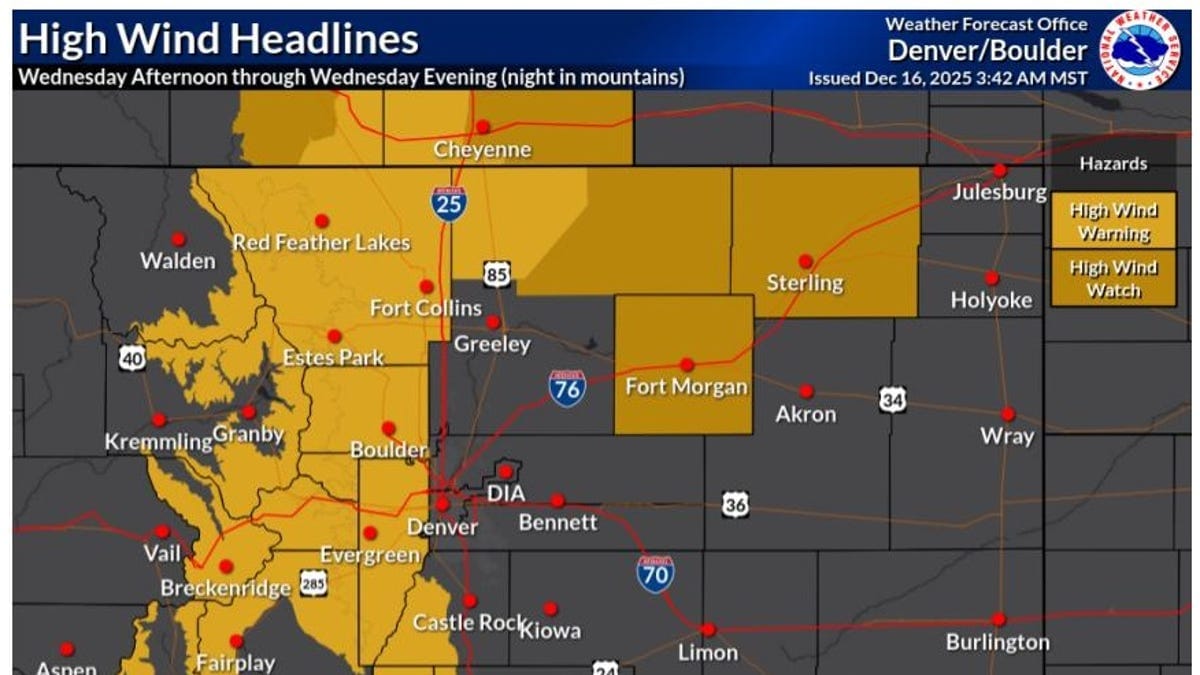
When Xcel issues these warnings, they don’t seem to care about the real human cost of a power shutoff. It’s not just about a few hours without Netflix or charging your phone. Think about the small businesses in Fort Collins or elsewhere—restaurants with perishable goods in freezers, barbershops that lose appointments, small retail stores that can’t process payments. A full day without power, especially with little notice (a ‘warning’ on Wednesday morning for an afternoon shutoff), can be devastating for a small business operating on thin margins. The financial impact of lost inventory and lost revenue for these small entrepreneurs is huge, but it’s completely externalized by Xcel. The utility company doesn’t have to pay for the lost wages of a worker, or the spoiled food in a fridge, or the cost of a generator. They just get to collect their rates. And let’s not forget the shift to remote work and home offices. Millions of people in these areas are now dependent on high-speed internet and power to do their jobs. When Xcel pulls the plug, it effectively cuts off an individual’s livelihood without any recourse. This isn’t just about ‘being ready’ for an inconvenience; it’s about a fundamental disruption to economic activity that Xcel simply ignores because it costs them less to inconvenience everyone than to maintain a reliable grid.
The Real Scandal: The Failure to Invest in Resilient Infrastructure
The core issue is that Xcel Energy (like most utilities) has prioritized profits and executive bonuses over infrastructure resilience for decades. They’ve managed to create a regulatory environment where they can increase rates for consumers while simultaneously allowing the grid to decay. When a natural disaster (like high winds or a wildfire) hits, their infrastructure becomes a liability. This isn’t a new problem; it’s a decades-old issue of underinvestment. The money that should have gone into burying power lines (which is the only true solution to wind-related outages and fire risk), upgrading transformers, and implementing truly ‘smart’ grid technology instead went into lobbying efforts and shareholder returns. Now, facing the consequences of climate change—which brings more intense and unpredictable weather events—they have no genuine solution. Their only response is to essentially unplug the community. It’s a sign that the ‘Green Transition’ isn’t just about new energy sources; it’s about making sure the underlying delivery system can actually handle those changes. Right now, it clearly can’t. The real question isn’t whether Xcel *will* shut off power on a windy day, but rather why we allow them to continue operating a system that is demonstrably inadequate for modern challenges.
The Future Is Dark: Prepare for Permanent Instability
This situation with Xcel is just a preview of the dystopia being set up across the country. As we see more extreme weather—intense heatwaves, deep freezes, and high winds—the fragility of our centralized power grid becomes more apparent. The current solution from utility monopolies is not to fix the system but to ration access. This creates a two-tiered society: those who can afford solar panels, battery backups, and generators (or who live in areas where the infrastructure is maintained for key facilities) and those who can’t. The rest of us are left vulnerable to corporate decisions made behind closed doors. We are entering an era of managed decline, where power companies dictate when you can use electricity based on their own risk assessment. This isn’t just about Xcel, it’s about the entire centralized utility model failing. The future of reliable power is going to depend on decentralized systems, microgrids, and off-grid solutions. But until then, prepare for more days where your utility company decides that a little bit of wind means you don’t get power. The fact that Xcel Energy is warning about power shutoffs due to high winds right when schools are closing and people are relying on stable power for remote work is a stark reminder that we are at the mercy of a broken system that prioritizes corporate balance sheets over public well-being.