The ‘Atmospheric River’ is Just an Excuse: Welcome to the Era of Predictable Catastrophe
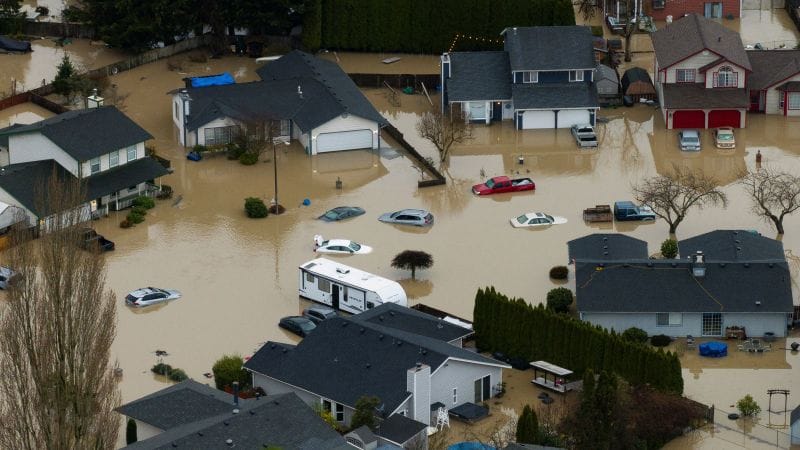
Let’s cut through the noise and the carefully worded press releases right now. Because every time you hear a politician or a utility official describe a levee breach as an ‘unprecedented’ event caused by an ‘atmospheric river,’ you should immediately reach for your wallet and check if it’s still there. The data from Tukwila and the Green River isn’t telling a story of Mother Nature’s fury; it’s telling a story of systemic, decades-long neglect and calculated indifference from the people we pay to protect us. We’re not talking about a sudden, unavoidable disaster here, folks. We’re talking about a slow-motion catastrophe that was predicted, ignored, and then exploited. The levee failures, the frantic evacuations, the temporary repairs—it’s all part of the same playbook. It’s a game of accountability dodgeball where the officials always win and the public always loses.
But let’s look at the facts they don’t want you to connect: A flood warning expires after a levee breach, which means the water level exceeded the levee’s capacity. This leads to a second levee failing. Then, in the middle of this crisis, officials announce they are releasing *more* water from an upstream dam, claiming it’s to return to normal operating levels. Do you see the contradiction? They are simultaneously trying to manage a flood crisis while adding to the very problem. It’s a classic case of kicking the can down the road, except this time, the can is filled with millions of gallons of water and it’s headed straight for people’s living rooms. This isn’t a coincidence. It’s a calculated, desperate measure by officials who clearly failed in their primary responsibility: managing water resources and infrastructure *before* the crisis hit. And I’m here to tell you exactly why they failed.
The Great Infrastructure Shell Game: Where Did the Maintenance Money Go?
The core issue isn’t the rain; it’s the infrastructure that was supposed to withstand it. Levees don’t just spontaneously collapse because it rains a lot. They collapse because they are either poorly designed from the start, or because they haven’t received proper maintenance in years—or, most likely, both. Look at the history of these projects. The funding for critical infrastructure like levees, dams, and stormwater systems is a high-stakes political poker game. Politicians love ribbon-cutting ceremonies for *new* projects, especially those with big, shiny price tags that look good on their résumés, but nobody wants to be seen at the photo op for routine maintenance. Maintenance is boring. Maintenance doesn’t win elections. So year after year, maintenance budgets are slashed, deferred, or redirected toward projects that benefit connected donors or look better on a campaign pamphlet.
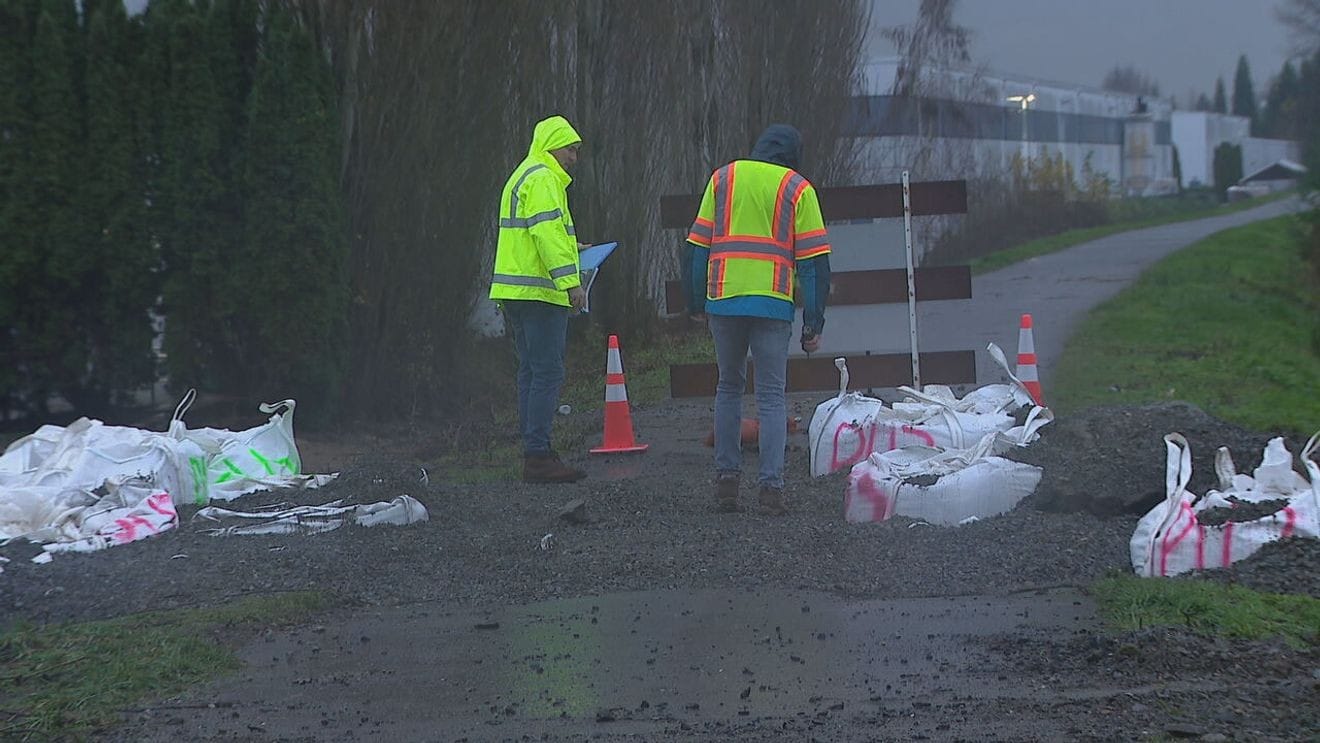
But when you actually look at the details, when you stop listening to the talking heads and the politicians with their perfectly coiffed hair telling you to ‘stay safe and follow evacuation orders,’ you start seeing a much uglier picture of systemic failure where maintenance budgets were slashed year after year, where contracts went to the lowest bidder instead of the most qualified engineer, and where the short-term political gains of looking good on paper completely overshadowed the long-term, devastating consequences for actual human lives living downstream. The temporary repairs mentioned in the reports are just a band-aid on a bullet wound, designed to quiet the immediate public outrage while avoiding the massive, costly, and politically difficult task of a total overhaul. This cycle has repeated itself across the nation for decades, and the Green River levee breach is simply the latest, most egregious example of a system that prioritizes appearances over safety. It’s a disgrace.
The Dam Release: A Panic Button Masquerading as ‘Management’
Now let’s talk about the dam. The input states that the Green River is expected to rise because more water is being released from an upstream dam to return to normal operating levels. Think about that for a second. The downstream areas are flooding, and the solution from the authorities is to add *more* water to the system. This isn’t high-level engineering; this is a desperate reaction from officials who mismanaged the reservoir levels to begin with. Reservoir management in areas prone to atmospheric rivers isn’t just about collecting water during dry seasons; it’s about proactively releasing water *before* a major storm hits to create capacity for the incoming precipitation. If they are releasing water *during* the flood event, it’s because they failed to properly anticipate the storm, or perhaps, because they were more focused on maximizing water storage for other purposes than protecting the downstream population from floods.
And I guarantee you, if we were to look at the internal communications between the dam operators and the regional flood control districts, we’d find a long paper trail of warnings being ignored, risk assessments being minimized, and political considerations outweighing engineering recommendations. The fact that they are essentially adding fuel to the fire by releasing more water indicates a complete breakdown in communication and a reactive, rather than proactive, approach to disaster management. They are sacrificing one group to save another, hoping the blame will be diffused by the sheer chaos of the event. But make no mistake: this isn’t a natural disaster. This is a policy disaster.
The Human Cost of Political Red Tape and Crony Capitalism
Let’s not forget about the human cost. Evacuation orders are not a solution; they are an admission of failure. People are forced from their homes, livelihoods are destroyed, and communities are upended because a few officials decided to save a few dollars on maintenance or award a contract to a political donor’s firm. The concept of ‘temporary repairs’ is insulting. It suggests that once the floodwaters recede and the news cameras leave, the public will forget, and we can go back to business as usual. But the damage is permanent for those who lose everything. The Green River levee breach is a wake-up call to everyone living near similar aging infrastructure. It exposes the corruption that lies just below the surface of our public works systems, where a focus on short-term profits and political gains leads directly to long-term community devastation.
And it will happen again. Because the system is designed to fail this way. We wait for a catastrophe, react with temporary fixes, throw money at the problem in a reactive manner, and then repeat the cycle when the next big storm hits. The Green River levee failure isn’t just a local story; it’s a microcosm of the entire national infrastructure crisis, where every bridge, every road, every levee, and every dam is slowly crumbling while politicians posture and point fingers. The only way out of this is to demand real accountability, not just temporary repairs. We need to investigate where the money went and hold the officials responsible for allowing this predictable disaster to unfold.