The WWE Wall of Silence Is Crumbling: Foley’s Whistleblower Moment
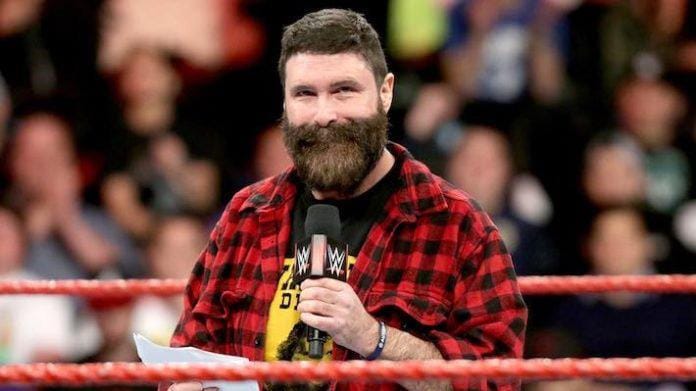
Let’s talk about what really happened when Mick Foley opened his mouth. This wasn’t just some disgruntled former employee ranting on social media; this was a calculated strike at the heart of the WWE machine, and believe me, they are scrambling backstage to figure out how to manage the fallout. The official story is that Foley is just speaking his personal mind, exercising his free speech against a political figure. The insider truth? He just exposed the unspoken pact that has governed WWE operations for decades, pulling back the curtain on the corporate political entanglement that has been hidden in plain sight for far too long.
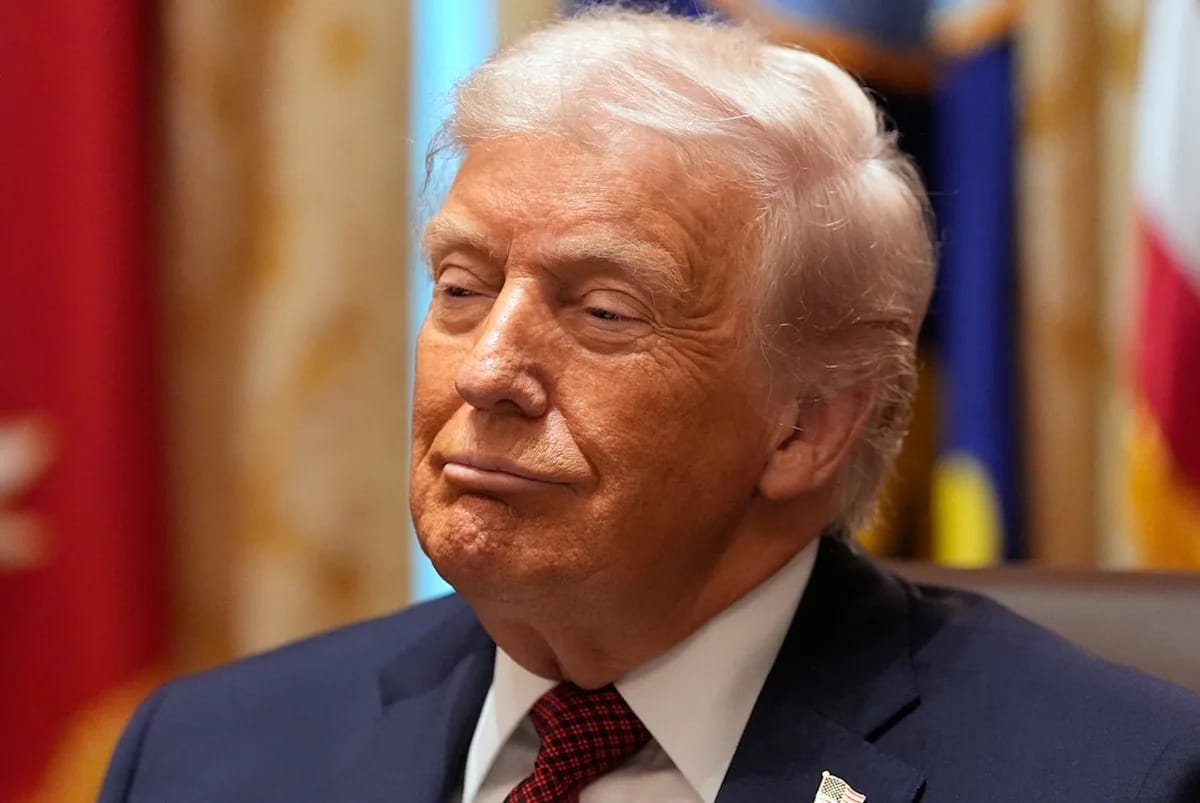
When Foley stated that he found it ‘beyond me’ how any of his former colleagues could stand by Donald Trump, he wasn’t just talking about a political disagreement. He was talking about a company culture where loyalty to Vince McMahon means loyalty to everything McMahon supports, including a president with whom he shares a deep, decades-long personal and professional bond. This isn’t a simple case of a wrestler having a different opinion from his employer; this is a moral reckoning for a company that built its empire on the backs of blue-collar fans while secretly aligning itself with a political agenda that often worked directly against their interests. It’s about hypocrisy, pure and simple.
The Official Lie: WWE as a Neutral Entertainment Entity
For years, WWE has carefully maintained the façade of a neutral entertainment entity, a place where people can go to escape the real world. They want you to believe that politics stops at the arena door, that all fans are welcome regardless of their beliefs. The company’s official public statements and diversity initiatives paint a picture of inclusivity. They feature a wide range of characters from different backgrounds and political leanings, or so they want you to think. But anyone who has been paying attention knows that this neutrality is a carefully crafted illusion, a smokescreen designed to protect their financial interests while the McMahon family actively engages in high-level political maneuvering.
Think back to the last time you saw a genuinely controversial political message from a wrestler that wasn’t part of a pre-approved storyline. You haven’t. The moment a wrestler steps out of line, they are either silenced, released, or—in extreme cases—become persona non grata. The unwritten rule in WWE is simple: you can be a heel or a face, but you must never challenge the authority of Vince McMahon or the corporate direction he sets. This isn’t a democracy; it’s a dictatorship built on charisma and fear. And when Vince McMahon aligns with a political figure, that alignment becomes part of the corporate identity, whether the roster likes it or not.
Foley’s decision to cut ties over this association isn’t just about Trump. It’s about saying enough is enough to the entire system. He’s essentially saying, ‘The entertainment value of WWE is no longer enough to justify the moral compromise required to be associated with it.’ And that statement, from a Hall of Famer, carries a lot more weight than any online petition or fan protest. It forces everyone to confront the reality that the company they love has chosen a side in a deeply divisive political battle.
The Insider Truth: The Deep History of McMahon’s Political Ambitions
The relationship between Vince McMahon and Donald Trump isn’t some fleeting friendship; it’s a strategic alliance that spans decades. Remember WrestleMania 23? The ‘Battle of the Billionaires’ match wasn’t just good television; it was a pre-meditated political alignment between two of the most powerful and image-conscious figures in modern America. The image of Trump getting his head shaved by Vince McMahon, and then later inducting McMahon into the WWE Hall of Fame, solidified their bond in the eyes of millions. It also provided a crucial platform for both men to elevate their public profiles, blurring the lines between sports entertainment and political theater.
This political entanglement didn’t stop with a single match. Linda McMahon, Vince’s wife and business partner, was appointed by Trump to lead the Small Business Administration, and later chaired the America First Action Super PAC, a major fundraising arm for Trump’s re-election campaign. Let’s not mince words here: This isn’t a casual association; this is deep, systemic involvement at the highest levels of government. The money flowing through these channels, the influence being traded, all ties back to the corporate structure of WWE. To suggest that WWE as a company is somehow separate from these political actions is laughably naive.
So when Foley asks how any of his colleagues can stand by Trump, he’s really asking how they can stand by the McMahon family’s political machine. He’s asking them to choose between their personal conscience and their professional careers. He’s challenging the very hierarchy of loyalty that has kept WWE talent in check for generations. Foley, as a legend, has the leverage to walk away. But what about the mid-card talent? What about the rising stars who see their opportunities tied directly to their ability to keep quiet about the boss’s political leanings?
The Roster’s Unspoken Dilemma: Fear vs. Conscience
The most telling aspect of Foley’s criticism isn’t what he said about Trump; it’s what he said about his peers. He called them out directly: “How any of my WWE colleagues can stand by, let alone stand next to Donald Trump is beyond me.” This isn’t just a general statement about politics; it’s a specific critique of wrestlers like Kane (Glenn Jacobs), who became a Republican mayor in Tennessee and actively supported Trump. It’s a critique of the countless wrestlers who have appeared at political rallies or made statements of support for the former president.
The reason they do it, or rather, the reason they *don’t* speak against it, is simple: fear. Fear of a “push” being cut short. Fear of losing their spot on the roster. Fear of being blackballed from the Hall of Fame. The truth is, Vince McMahon holds all the power, and he expects loyalty above all else. This isn’t unique to WWE; it’s how corporate America often operates. But in WWE, the personal relationship between the owner and a political figure makes this dynamic uniquely high-stakes. Foley’s statement forces the entire roster to examine their own moral compass. Are they willing to compromise their values for a paycheck? Many, it seems, are. Foley’s statement is a challenge to that silence, a call for integrity in a business often defined by artifice.
This isn’t just about a single political figure. This is about the future legacy of professional wrestling. For decades, wrestling provided a necessary escape for millions. Now, as the lines between entertainment and politics blur, fans are increasingly forced to choose between supporting the company and supporting their values. Foley’s decision to walk away isn’t just a personal choice; it’s a symptom of a much deeper problem within the industry. It’s a sign that the old ways are dying, and the new generation of talent and fans demand something more authentic. They demand a company that truly represents everyone, not just the political ambitions of its billionaire owners.