The Deconstruction of the Divine Spectacle: Why Quiet Temple Announcements Signal a Strategic Retreat
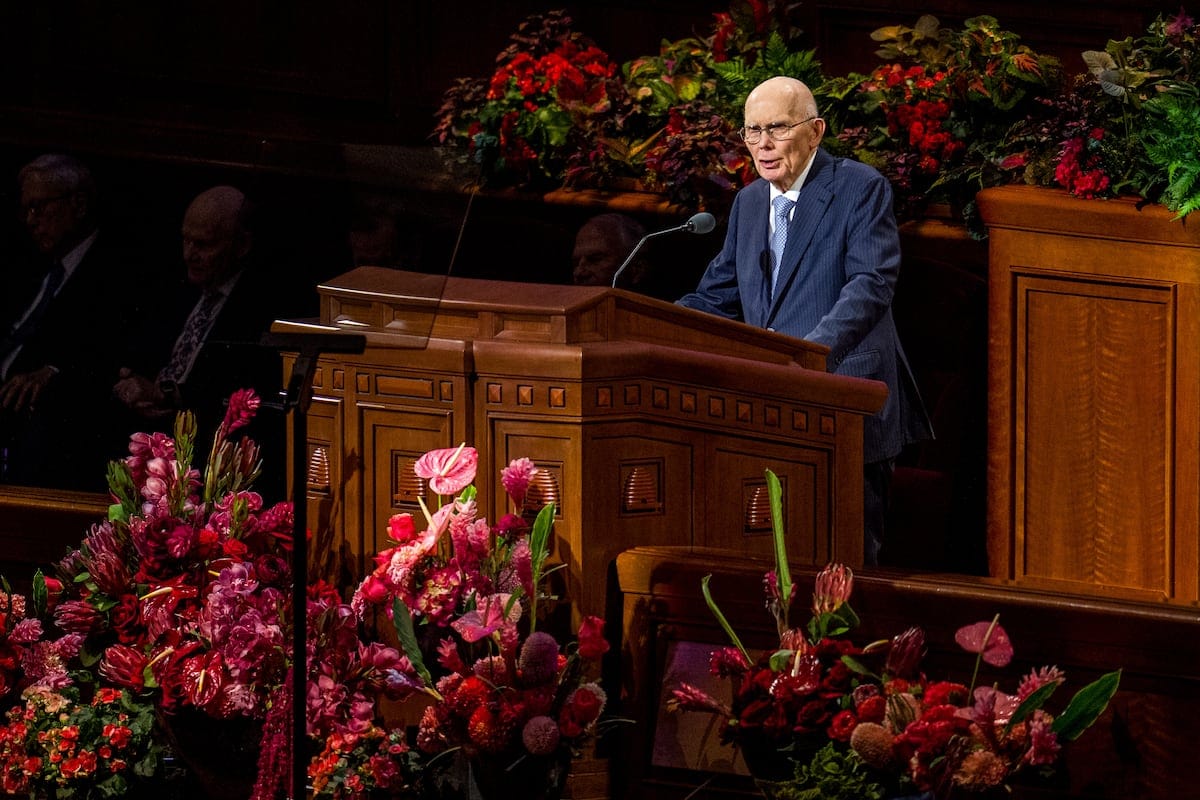
For decades, the most anticipated moment of The Church of Jesus Christ of Latter-day Saints’ semi-annual General Conference wasn’t the spiritual instruction or the counsel on personal morality; no, that was just the appetizer. The main event, the moment that generated the real buzz and emotional high across the entire global membership, was the grand finale: the announcement of new temples by the prophet. This tradition was a spectacle, a theatrical display of divine favor and institutional growth. It solidified the prophet’s role as a living conduit of revelation and, simultaneously, provided a palpable, almost physical sense of validation for every member watching. It was a high-stakes, public relations masterstroke that combined genuine spiritual fervor with calculated, brand-building expansion. And now, based on recent actions, particularly the quiet announcement of the Portland, Maine, temple and the notable absence of new announcements during the last conference, it appears that the church leadership—perhaps under the influence of new figures like Dallin H. Oaks—is systematically dismantling that tradition. The shift isn’t just about a change in procedure; it’s a strategic pivot from a centralized, revelatory spectacle to a decentralized, logistical operation. This move signals a profound change in how the Church views its expansion and, more importantly, how it manages the expectations of its members.
The End of the Revelatory High: From Divine Announcement to Local Memo
Let’s be blunt about what happened in Maine. The news reports, including those from KUTV and others, highlighted that the announcement was made “quietly and locally.” The input data states that “Perhaps the biggest surprise… was that their new leader; Dallin H. Oaks; did not announce” a new temple during General Conference. This isn’t a minor scheduling adjustment. This is a deliberate break with a successful, highly effective tradition. The old model, where the prophet stood at the pulpit in Salt Lake City and declared new temples to a global audience, served several critical functions simultaneously. It reinforced the top-down hierarchy, demonstrated the prophetic mantle in real-time, and created a unified, global excitement that masked regional discrepancies in growth or challenges. The entire membership, from São Paulo to Tokyo, felt connected to that singular moment. It was a masterclass in centralized control through spiritual theater. The new model, however, in which a local stake president announces a new temple to a small congregation in a regional stake center, fundamentally changes the dynamic. It transforms a global spiritual event into a localized real estate development announcement. When a local leader stands up and says, “We’re getting a temple,” it feels less like a miracle from on high and more like a corporate project coming to town. The impact is diminished. The authority of the central leadership, while still present, is diffused. The emotional high is replaced by logistical planning.
The transition is not accidental. It suggests a calculated move by the church’s leadership (the First Presidency and Quorum of the Twelve Apostles) to adapt to the new realities of rapid global expansion. The sheer volume of new temples announced in recent years has reached a saturation point. When dozens of temples are announced annually, the impact of a single announcement diminishes. The spectacle becomes routine. By shifting to local announcements, the church achieves several strategic advantages. First, it avoids potential announcement inflation by making each temple announcement feel special and unique to its specific region, even if the global count continues to rise rapidly. Second, it reduces the pressure on the central leadership to deliver a specific number of new temples during each conference. If Oaks or Nelson fail to announce new projects, the media narrative (as noted by the input data’s reference to the “biggest surprise”) often focuses on perceived internal struggles or a lack of revelation. By moving the announcements to a local level, the central leadership shields itself from this scrutiny. Third, and most importantly for a forensic analysis, local announcements allow for a level of flexibility and deniability that global pronouncements do not. If a local project encounters significant resistance (as often happens with zoning, community opposition, or funding issues), a locally announced project can be quietly delayed or altered without creating a global news story. A General Conference announcement, by contrast, creates high-profile expectations that become difficult to manage if things go wrong. This isn’t spiritual progress; it’s corporate optimization of risk management.
The Logistics of Oversaturation: Managing the Real Estate Portfolio
Let’s consider the practical implications of the change, specifically focusing on the sheer volume of temple projects currently underway. As a logical deconstructor, I see this change not as a spiritual evolution, but as a logistical necessity. The church is currently managing over 100 announced temples that are in various stages of planning and construction. This rapid expansion—far outpacing the growth of active, tithe-paying membership—is straining resources. The traditional model, where a project was announced from the highest pulpit, created an expectation of immediate action and a standardized timeline. Local announcements, conversely, allow for a much more flexible and pragmatic approach. It gives local leaders and area authorities more autonomy in managing the timeline, securing real estate, and navigating local bureaucratic hurdles without the added pressure of a global spotlight. This shift suggests that the church is prioritizing efficiency and execution over symbolic ritual. They are effectively saying: ‘We are no longer building temples based purely on divine revelation given in two specific weekends a year; we are building temples based on where the land acquisition and local leadership support are ready now.’
This decentralized approach also allows the church to better manage its narrative surrounding temple locations. The old system, where a single prophet announced temples in quick succession, occasionally created optics issues. For example, announcing temples in wealthy, high-growth areas alongside temples in developing nations could be seen through a lens of economic disparity. By localizing the announcements, the church can tailor the narrative to each specific area, highlighting local growth and contributions rather than a top-down mandate. It transforms the announcement from a monolithic decree to a community achievement. (It also makes it easier to quietly abandon projects that prove too complex, which is a significant strategic advantage in a volatile real estate market.) The fact that Oaks and other leaders are pushing this new model demonstrates a fundamental shift in priorities for the First Presidency. The emphasis is less on the charismatic leadership of the prophet and more on the systemic, long-term operational efficiency of the organization. The church is transitioning from a high-stakes, spiritual-hype organization to a meticulously managed, global real estate trust.
The Future Implications: Decentralization or Diffusion of Responsibility?
What does this mean for the future of The Church of Jesus Christ of Latter-day Saints? The shift away from centralized temple announcements has significant implications for both the local membership and the global leadership structure. First, it diminishes the central authority of the prophet in the eyes of the global membership. While local members in Maine may still feel a thrill at getting a temple, the rest of the world no longer experiences that shared excitement. The new model fragments the experience, replacing a sense of global unity with regional, compartmentalized celebrations. The prophet’s role, in this specific context, shifts from being the giver of sacred gifts to being the CEO overseeing logistical deployment. This may make the church feel less like a divinely guided organization and more like a carefully managed corporation to critical observers. (And let’s be honest, that perception has been growing for years; this just solidifies it.)
Second, this new approach places more responsibility and pressure on local stake presidents and area authorities. They are now tasked with managing the excitement, the planning, and the local dynamics surrounding a new temple announcement without the full, unifying weight of a global declaration. When the prophet announced a temple, it was seen as an unassailable act of revelation. When a local leader announces it, there is room for local questions and disagreements about location, design, and timing. This transfer of responsibility, while presented as empowerment, may also be interpreted as offloading complex logistical challenges from Salt Lake City to local leadership. The church’s central leadership gains flexibility, but the local leadership gains a significant burden. The final outcome of this strategic shift remains to be seen, but one thing is clear: The days of sitting on the edge of your seat during General Conference, hoping for a surprise temple announcement, are over. The church is evolving from a charismatic, high-drama organization into a cold, efficient machine.