The Great Divide: Why Larian’s Latest Move Exposes the Rot in Gaming
Let’s not mince words. The video game industry, especially in the AAA space, has become a high-stakes, low-quality cash grab. We’re fed incomplete games, predatory microtransactions, and re-releases of re-releases, all while being told to accept a perpetually declining standard. The corporate machine operates on one principle: maximize profit at the expense of player respect. But every once in a while, a developer comes along that defies this logic, and when they do, they create a fault line that exposes the greed of all the others. Larian Studios just dropped an atom bomb on the industry’s business model with a simple, almost arrogant gesture of goodwill, and it’s time we talk about why this is such a powerful act of defiance against ‘The Man’ in suits who think we’re all just wallets waiting to be emptied.
The setup is crucial here, because you have to understand the context of Larian’s current dominance. This isn’t just some small studio making niche products anymore. Larian Studios, riding high off the unprecedented, overwhelming, and frankly well-deserved success of Baldur’s Gate 3, has proven that quality, depth, and genuine passion for the craft can still win against the cynical, algorithm-driven spreadsheets that govern most development studios today. They didn’t just win; they shattered expectations and forced everyone else to reconsider their entire strategy. We’re talking about a game that won pretty much every Game of the Year award imaginable, a game that made people actually read dialogue instead of skipping cutscenes, a game that proved a turn-based RPG could dominate the mainstream, and now they follow up that triumph with a move that’s less about making money and more about making a statement.
The News Nobody Expected: A Surprise Attack on Corporate Practices
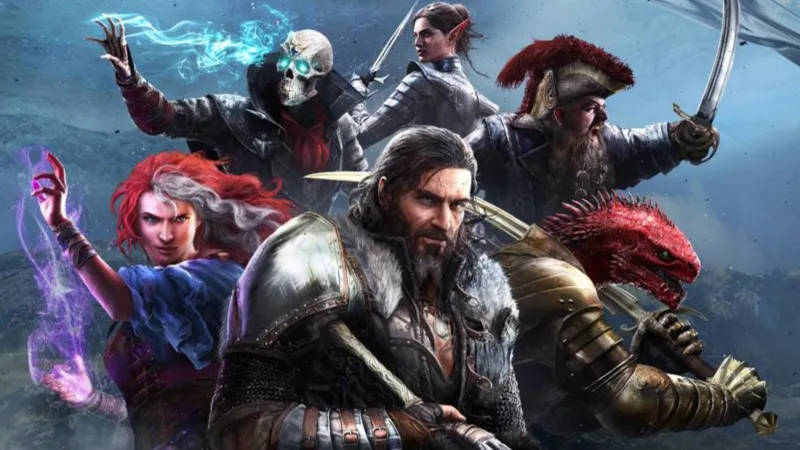
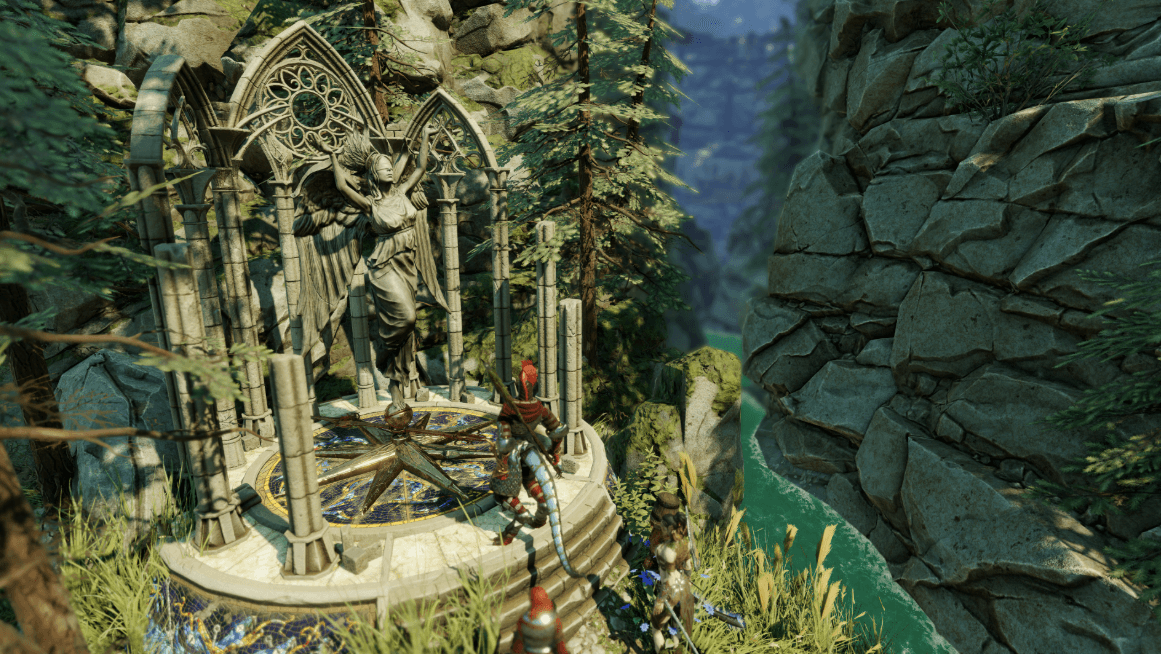
While everyone was still buzzing about the new *Divinity* announcement at The Game Awards, Larian Studios quietly dropped an upgrade that fundamentally challenges the value proposition of every other major publisher on the market. The news: *Divinity: Original Sin 2*, a game released years ago, is getting a surprise launch on new platforms like PS5, Xbox Series X|S, and, most notably, Nintendo Switch 2. But that’s not even the main point. The main point is the free upgrade. Larian has announced that existing owners of the game on previous generations get this new, enhanced version for free, completely free of charge. No $10 upgrade fee, no ‘Definitive Edition’ purchase required, no convoluted cross-generation scheme where you have to buy a specific version to get the benefits. Just a free upgrade for the fans who already bought in. That’s where the fight begins.
Let’s compare this to the standard operating procedure for the industry. How many times have we seen the ‘remaster’ or ‘definitive edition’ scam? Publishers will take a game that’s maybe five or ten years old, slap a new coat of paint on it, and charge full price—$60, $70, even $80—for something we already own. They tell us that the improvements justify a new purchase, that the enhanced performance is a privilege, not a standard expectation for modern hardware. Take the *Grand Theft Auto* trilogy remasters, or the endless re-releases of *Skyrim*. These companies have trained us to accept that new hardware means repurchasing old content. They’ve built entire business models around nickel-and-diming us for improvements that should simply be standard patches in a healthy ecosystem.
And then Larian comes along and says, ‘No, we respect our players enough to give them the best possible experience on their new hardware without demanding a toll.’ This isn’t just about charity; it’s a strategic move that highlights the predatory nature of their competitors. It puts a spotlight on every single publisher who charges for next-gen upgrades and makes them look like greedy, desperate parasites. It’s a move calculated to generate goodwill, sure, but more importantly, it’s a declaration of war on the established order. Larian is essentially telling the world: ‘We don’t need to steal from our customers to succeed; in fact, we succeed because we treat them fairly.’ This is a huge win for the player base, but a major headache for the suits who run things like EA or Activision, forcing them to justify why their updates cost us money when Larian’s don’t.
The History of Insurgency: How Larian Became the People’s Champion
To really appreciate this moment, you have to look back at Larian’s history, and understand that this isn’t a fluke; it’s who they are. Before *Baldur’s Gate 3* was a cultural phenomenon, Larian was a studio known for making great RPGs that, frankly, struggled to find mainstream appeal. They were the underdogs, the scrappy fighters who had to use crowdfunding through Kickstarter to finance games like *Divinity: Original Sin 1*. They asked the community for help, and the community answered. This experience created a fundamental bond between the developer and the players. They know who pays the bills, and they know where their loyalty lies. The success of *DOS1* led to the development of *DOS2*, which truly solidified their reputation for depth, complex systems, and player choice. By the time *Baldur’s Gate 3* came around, Larian didn’t just have a fan base; they had a dedicated army ready to support whatever they produced. They earned that loyalty by consistently delivering value and, critically, by rejecting the corporate template.
Think about the alternative path Larian could have taken. After the massive success of *Baldur’s Gate 3*, they could have easily gone public, sold out to a major publisher like Microsoft or Sony, and started prioritizing monetization strategies over creative vision. They could have taken the *Baldur’s Gate 3* engine and churned out a dozen live service games with cosmetic battle passes. They could have released *Divinity: Original Sin 2* on PS5 and Xbox Series X|S as a full-price ‘GOTY Edition’ and everyone would have bought it. They had every opportunity to become exactly what they are currently opposing, but they chose to remain independent, and that independence is a direct benefit to us, the gamers.
The Switch 2 Factor: Larian’s Strategic Move in the Console Wars
Now, let’s look at the strategic implication of this new release on Switch 2. The input data highlights this specifically. The Switch 2 is a new console launch, and new hardware requires powerful software to drive early sales. Larian Studios, by being present on day one (or very close to it) with *Divinity: Original Sin 2*, positions themselves as a key partner for this new ecosystem. This isn’t just about giving existing owners a free upgrade; it’s about making *DOS2* available to a massive new audience on the new Nintendo hardware. This is a brilliant move to introduce a whole new generation of gamers to the Larian experience before their new *Divinity* game hits. It’s a marketing move wrapped in a gift package, a masterclass in building a long-term relationship with consumers rather than a short-term transaction. It shows they are thinking about the long game, not just the quarter-to-quarter earnings reports that drive other publishers insane.
The Switch 2 launch will be a pivotal moment for gaming, and the titles available at launch will define the console’s early narrative. By bringing *Divinity: Original Sin 2* to this platform, Larian is ensuring that players on this console have access to one of the greatest RPGs ever made, further solidifying their position as a developer dedicated to diverse platforms. They are not beholden to exclusivity deals or corporate pressures that limit where and how their games are played. They want everyone, everywhere, to experience their games, and this surprise launch on the new Nintendo hardware is proof of that commitment.
The Future and the Fight: What This Means for Us
So, where does this leave us, the players? This move by Larian Studios isn’t just a news item; it’s a call to action. It’s a clear demonstration that a better path exists, a path where developers prioritize quality and customer respect over quarterly profits and shareholder demands. When Larian gives us something for free that other companies would charge us $70 for, we must recognize that difference and demand better from the rest of the industry. We must use our wallets and our voices to support studios like Larian and reject the practices of those who seek to exploit our love for gaming.
The future of gaming isn’t just about better graphics or bigger maps; it’s about the relationship between the creator and the consumer. Larian has shown us that this relationship can be one of mutual respect, not parasitic exploitation. As we look forward to the new *Divinity* game, we do so with confidence, knowing that this studio operates on a different set of values. They are not part of ‘The Man’; they are on our side. This upgrade isn’t just an update to a game; it’s a declaration that the fight against corporate greed in gaming isn’t over, and that we have champions willing to lead the charge. We have to be vigilant, and we have to remember who’s fighting for us. Larian is giving us the tools, now let’s use them to demand change across the board. The era of accepting less for more needs to end, and Larian has given us the perfect ammunition to make that happen. They’re telling the other studios to put up or shut up, and it’s time for us to amplify that message to the rooftops.