The Great Saudi Choke Job: All That Money for Nothing?
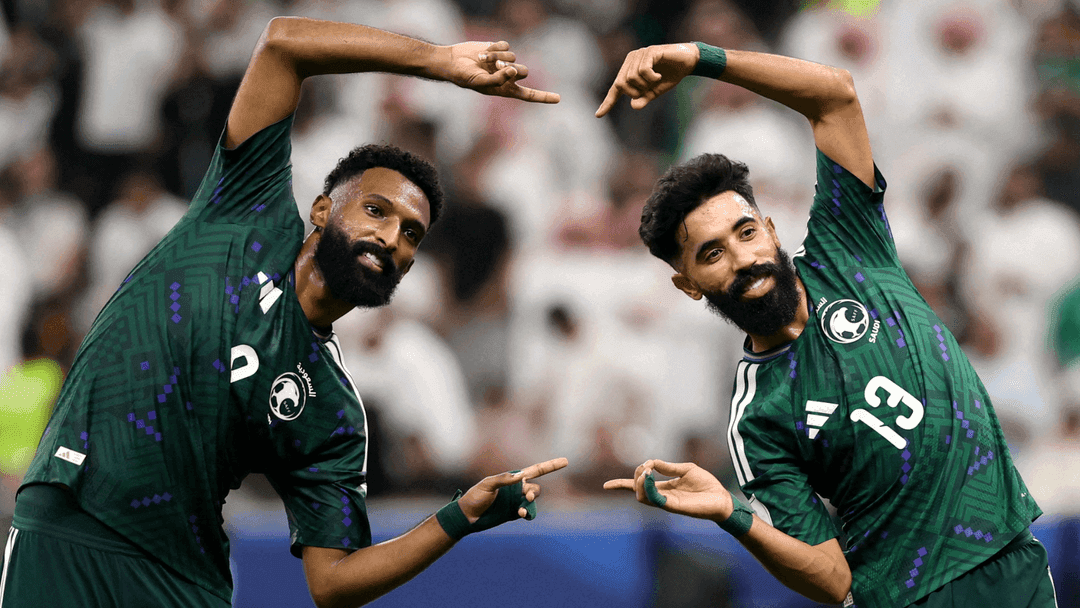
Let’s just call it what it is: an absolute, unmitigated disaster for Saudi football. The hype leading into the FIFA Arab Cup was off the charts, especially considering the kingdom’s massive investment spree in global football, bringing over superstars like Cristiano Ronaldo and building out the Saudi Pro League with cash that would make a sovereign wealth fund blush, and yet, when it came down to a simple match against Jordan, a team that frankly doesn’t have a fraction of the budget or the international cachet, they crumbled. This wasn’t just a loss; it was an epic humiliation that exposed the soft underbelly of a project built on petrodollars rather than genuine grit, and frankly, it makes you wonder if they’re serious about being a global powerhouse or just a rich kid playing with expensive toys.
The Manager’s Bold Promise That Backfired Spectacularly
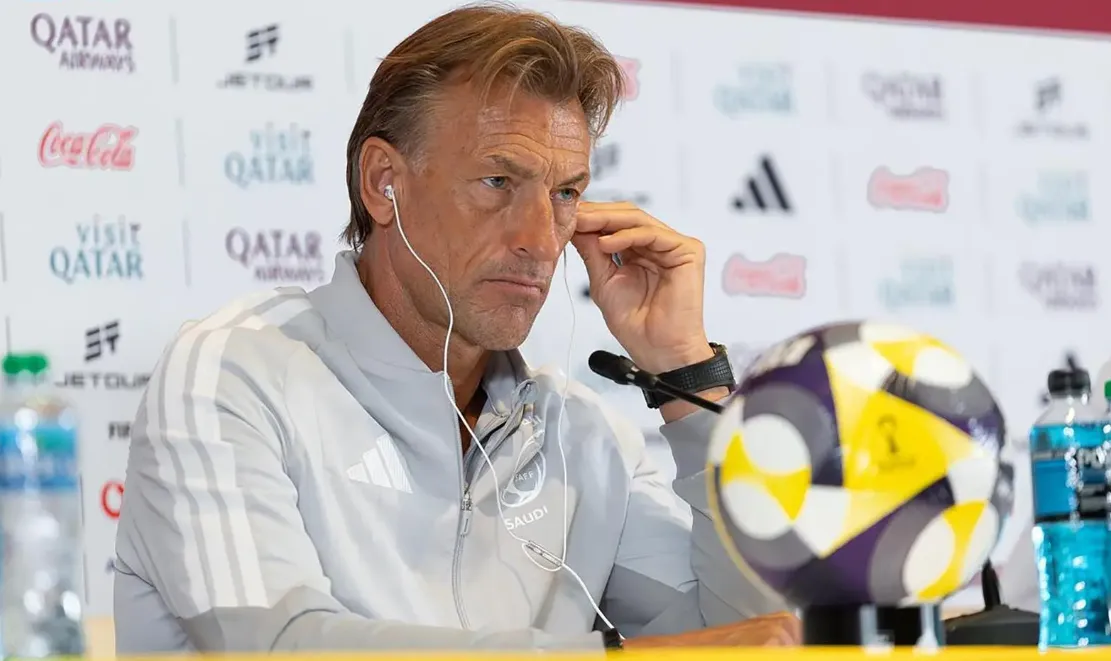
Remember when the Saudi National Team Coach, Gre, came out strong with that quote about their goal being to reach the final of the FIFA Arab Cup? Well, that particular promise aged like milk left in the desert sun, didn’t it? The coach’s confidence seemed almost arrogant at the time, particularly given the pressure on the national team to perform in a regional tournament that’s seen as a crucial test of pride and preparation for the 2026 World Cup campaign. The coach essentially put a target on his team’s back, daring everyone to challenge them, and Jordan, bless their hearts, stepped right up to the plate and knocked the ball straight out of the park, leaving the Saudis looking like they’d never even seen a football before, let alone mastered the game. Was it overconfidence, or just a fundamental failure in strategy? It’s probably a bit of both, but either way, that quote is going to haunt him for a very long time, possibly ending his tenure.
The Jordan Shockwave: A Victory for Underdogs Everywhere
Let’s shift gears and give credit where credit is due, because Jordan’s performance wasn’t just lucky; it was a masterclass in heart and discipline, and frankly, a much-needed breath of fresh air for a sport increasingly dominated by the wealthiest nations. Here we have a team that isn’t built on multi-billion dollar transfer fees or a limitless marketing budget; they’re built on raw talent, resilience, and a deep, burning desire to prove everyone wrong. The narrative of the underdog rising to take down the giant—it’s the stuff movies are made of—and this particular giant, Saudi Arabia, was supposed to be unstoppable in this tournament, making the upset even sweeter. They came into this tournament with the weight of expectation on them, but they played with the freedom and intensity of a team that had nothing to lose and everything to gain, showing us all that football is still, fundamentally, about passion and not just a balance sheet, and that’s exactly why we love the game.
The Clash of Moroccan Coaches: A Final of Intrigue
Now, let’s look ahead to the final, because it’s shaping up to be a tactical battle of epic proportions, and the real twist here is that it’s essentially a showdown between two Moroccan coaches. Jordan advancing to face Morocco in the final, with both teams guided by managers hailing from the same football culture, adds a fascinating layer of complexity and rivalry. This isn’t just about two nations fighting for a trophy; it’s about a specific style of play and philosophy going head-to-head, potentially proving which coaching approach is superior. The pressure on both sides to represent not just their current team, but their shared footballing heritage, is immense, making this final a far more compelling narrative than if Saudi Arabia had simply bought their way through, and honestly, who isn’t excited to see a final where both teams actually deserve to be there?
The Geopolitical Subtext: More Than Just Football Rivalries
You can’t talk about football in the Middle East without acknowledging the deep-seated political rivalries and national pride that fuel these matches, especially when it comes to Saudi Arabia. For years, Saudi Arabia has used sports as a form of soft power and national branding, trying to paint a picture of a modern, forward-thinking nation ready to engage with the world. This strategy, however, relies entirely on winning, because losing completely undermines the narrative they’re trying to sell, making them look weak and ineffective on a public, international stage. When Jordan beat them, it wasn’t just a football result; it was a symbolic victory that resonated far beyond the stadium walls, and you can bet that the headlines in regional papers are not pulling any punches about the implications of this failure. It’s a huge blow to the Saudi brand and a massive boost for Jordan’s international standing, proving that while money talks, sometimes silence speaks louder, especially when you’re on the losing side.
The Long-Term Damage: What Happens Now for Saudi Football?
So, where does Saudi football go from here? The national team’s performance in the Arab Cup raises serious questions about the sustainability of their current investment model and whether simply importing expensive talent really translates to long-term success. It suggests a disconnect between the high-priced players in the Saudi Pro League and the quality of the national team, which is composed largely of those same players. Is this failure going to trigger a major shakeup in their football federation, or will they just throw more money at the problem, hoping it eventually goes away? If they can’t even dominate their own regional tournament, how are they going to compete with the international powerhouses in the 2026 World Cup? This loss isn’t just a momentary setback; it’s a critical reality check that forces them to re-evaluate everything, and frankly, it gives critics plenty of ammunition to question whether this whole “sportswashing” experiment actually works. The jury is out, but right now, it looks like a whole lot of expensive smoke and mirrors, with very little substance.
The Coaching Blame Game: Heads Are Going to Roll
Let’s talk about the real fallout here: someone has to pay the price for this kind of high-profile failure, and in football, that burden almost always falls on the manager. The pressure on the Saudi coach must be unbearable right now, especially after publicly guaranteeing success. When a team underperforms so dramatically, particularly one with such significant resources and national pride invested in it, the management inevitably looks for a scapegoat, and that scapegoat is almost always the guy in charge of the tactics and motivation. The fact that Jordan, led by a less-heralded coach, completely outmaneuvered them only adds fuel to the fire, making the Saudi coach look even more inept. It’s hard to imagine him surviving this; the whispers in the corridors of power must already be turning into shouts, and you can bet the search for a new manager who can deliver on the kingdom’s ambitions has already begun behind closed doors, because this failure simply cannot stand.