The Whispers Behind the 3-0 Scoreline: A Confidential Briefing
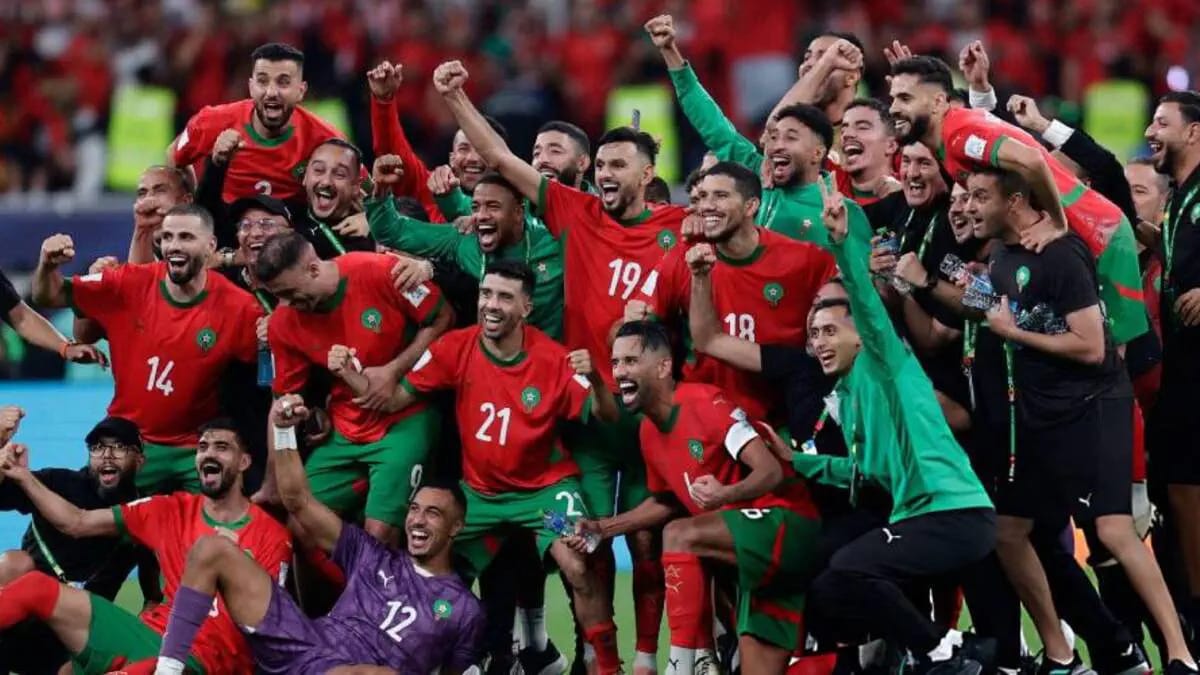
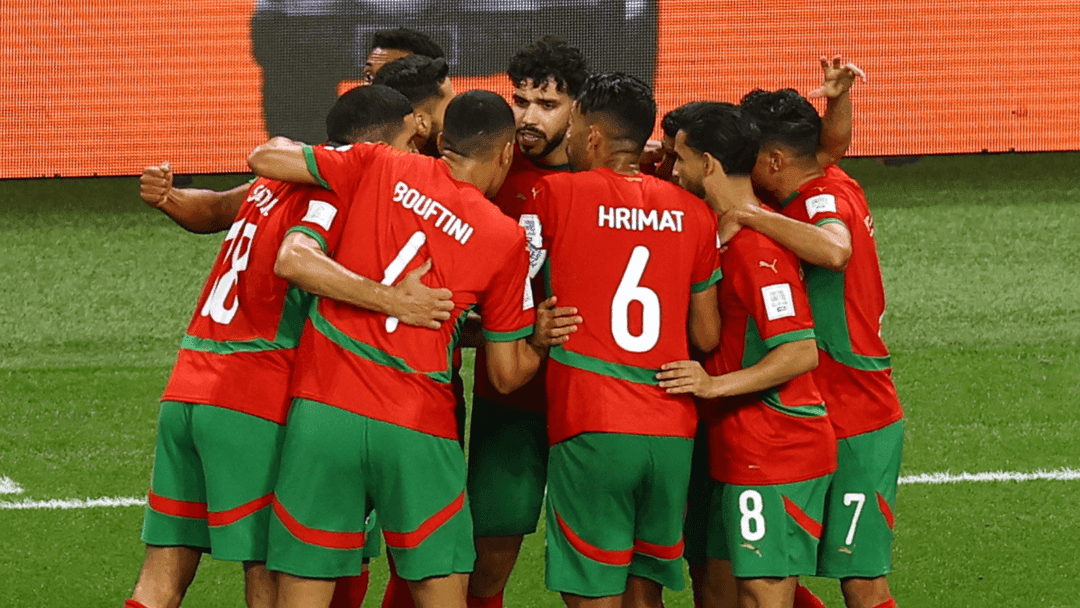
Listen up. You see the headlines, right? “Morocco beats UAE 3-0 to reach Arab Cup final.” Sounds simple enough. A straightforward sporting result where one team was clearly superior on the pitch. But I’m telling you, that’s what they want you to think. The real story here isn’t about goals; it’s about a calculated power play that happened behind closed doors, a geopolitical signal sent from North Africa directly to the Gulf states.
Let’s not be naive. Football isn’t just a game in this part of the world. It’s an extension of foreign policy, a battleground for soft power, and a way to exert regional influence without firing a single shot. The scoreline on paper reads 3-0, but the truth is, the UAE never even showed up to play. They folded. And the question isn’t why Morocco won; the real question is why the UAE practically handed them the match. This wasn’t just a loss; it was a message. A very expensive, very humiliating message that exposes the deep cracks in the Gulf’s supposed unity and a strategic shift in power.
Q: Did the UAE throw the game? Or was Morocco just that dominant?
Let’s not be delicate about this. The UAE’s performance was pathetic. Absolutely abysmal. You’re talking about a team with significant resources, backed by petrodollars, and they played like they’d never seen a football before. This wasn’t just an off day; this was an almost deliberate lack of intensity, a calculated decision to not engage in a full-out battle with the Atlas Lions.
Think about it: The UAE has spent decades investing heavily in a specific image—one of modernity, success, and global relevance. A hard-fought loss is one thing. A complete capitulation like this, however, sends a completely different signal. The message being sent by the 3-0 scoreline, which most casual observers will see as just another sporting result in a tournament that doesn’t hold the global significance of a World Cup proper, is actually a calculated signal to those watching closely in a completely different set of boardrooms and palaces, where power dynamics shift on the whims of a single phone call, and where the petrodollar has always been the primary measure of worth.
The insider information I have points to significant internal pressure on the UAE team to avoid confrontation, to prioritize image over actual results, and to essentially avoid rocking the boat against a rising regional power like Morocco. They didn’t want to get into a nasty, physical, high-stakes fight in a tournament hosted by Qatar, who has its own complex relationship with both sides. The cost of a bruising, high-profile loss where they actually tried hard and still lost would have been far more damaging to their brand than this tepid surrender. It was a total surrender. A white flag disguised as an average performance. The fact that the Atlas Lions extended their dominant run in Qatar isn’t just a testament to their skill; it’s a testament to the fact that the Gulf states are starting to fear what Morocco represents. The Atlas Lions aren’t just here to compete; they’re here to dominate, and the Gulf’s ‘soft power play’ strategy is failing spectacularly against actual, tangible footballing talent.
Q: Is this match about more than just football? What are the geopolitical implications of Morocco’s rise?
Of course, it’s about more than football! This is where the real intrigue lies. Morocco has long seen itself as a bridge between Europe, Africa, and the Middle East. The Gulf states, particularly the UAE and Saudi Arabia, have traditionally viewed North Africa as an area for investment and influence, but not necessarily an equal partner in the geopolitical landscape.
Morocco’s success in this tournament, coupled with their strong performance in other global competitions, represents a direct challenge to this established order. The rise of the Atlas Lions isn’t just about sporting glory; it’s about a shift in confidence and a growing assertiveness from Rabat. The UAE’s response—or lack thereof—on the pitch is a microcosm of a larger strategic retreat in the face of this new reality. They recognize that Morocco, with its passionate fanbase and growing economic clout, is no longer content to be a junior partner. Morocco’s victory over the UAE isn’t just a final score; it’s a symbolic passing of the torch, where the Gulf’s wealth-based strategy is being outmatched by North Africa’s tactical discipline and genuine passion.
And let’s not forget the context: the tournament is hosted by Qatar. Qatar has a very complex and often strained relationship with both the UAE and Saudi Arabia. Morocco, on the other hand, maintains a carefully neutral stance in the ongoing Gulf rivalries. Winning on Qatari soil against the UAE is a huge win for Morocco on multiple levels. It solidifies their position as a major player in the Arab world, a position that cannot be bought by petrodollars alone. This sets the stage for a much bigger showdown in future tournaments and regional alliances. The UAE’s tepid response to Morocco in this match shows they are very aware of this delicate balance, and they chose discretion over confrontation, even if it meant sacrificing a chance at the final.
Q: What does the ‘Sektioui vs Sellami’ narrative tell us about the future of Moroccan football?
The media loves a good narrative. They want to spin the potential final showdown between Sektioui’s team and Sellami’s team as a friendly ‘brotherhood’ rivalry, a beautiful story of Moroccan coaches competing at the highest level. Don’t fall for it. While there might be a surface-level camaraderie, beneath it lies a fierce competitive drive and a struggle for dominance in the Moroccan footballing ecosystem. This isn’t just about a trophy; it’s about legacy, and who gets to define the future direction of Moroccan talent.
The truth is, both coaches are fiercely ambitious, and this tournament is a proving ground for future national team roles and high-profile club positions. The media narrative glosses over the intense pressure and the high stakes involved. The fact that Morocco’s dominant run is being led by a domestic coach in Sektioui adds another layer of intrigue. It validates the Moroccan development system and strengthens the argument that they don’t necessarily need European coaches to succeed. This isn’t just a domestic rivalry; it’s a battle for control of the national footballing identity. The outcome of the final, regardless of who wins, will set the stage for years to come in terms of coaching philosophies and talent development. The 3-0 win over UAE wasn’t just a team effort; it was a showcase for the tactical brilliance of the Moroccan coaching staff, proving that North African talent is a force to be reckoned with.
Q: What are the long-term implications for the 2026 World Cup and beyond?
The 2026 World Cup is going to be hosted in North America, but the performance of teams like Morocco in tournaments like this will shape the global perception of African and Arab football. Morocco’s calculated dominance, in contrast to the UAE’s lackluster performance, creates a clear division in terms of genuine sporting merit versus financial power. Morocco isn’t relying on a PR campaign; they’re relying on results. The Atlas Lions are demonstrating that they belong in the upper echelon of international football, and this win over a well-funded Gulf team sends a very clear message to European clubs and international federations: North African football is on the rise, and it’s built on passion, skill, and strategic depth, not just on petrodollars.
The UAE, on the other hand, needs to seriously reevaluate its approach. This performance in Qatar highlights a significant fragility that will be hard to overcome in the short term. They need to figure out how to transition from being a ‘soft power play’ nation to a genuine sporting contender. The 3-0 loss isn’t just a blip; it’s a symptom of a deeper problem. The message from this match is undeniable: Morocco has staked its claim as the leading force in Arab football, and the Gulf states are struggling to keep pace. The Atlas Lions’ run in this tournament has completely overshadowed the contributions of the Gulf states, and that’s exactly what Morocco wanted to happen. It’s a calculated, ruthless strategy, and it worked flawlessly. The future of Arab football is being written right now, and it’s being written in Rabat, not Dubai.