The Great School Delay Scam: Why Bureaucrats Are Failing Working Families
And why we keep letting them get away with it.
Q: Why are we still having school closures and delays for what amounts to a light dusting of snow or a cold day? Are we that soft as a society now?
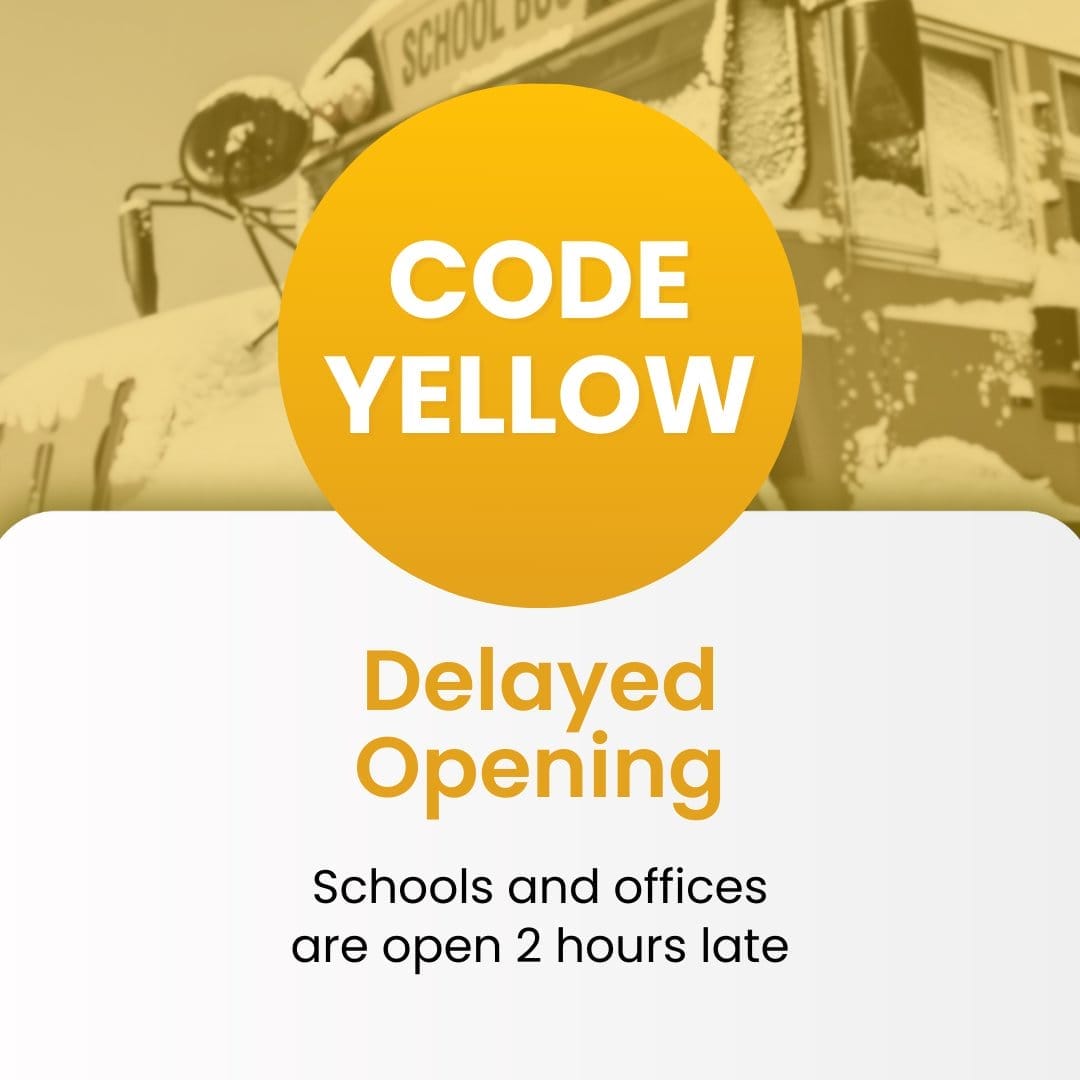
Because the system isn’t set up for you. It’s set up for them. Let’s not soft-pedal this; every time a school district announces a two-hour delay, they aren’t thinking about the parents scrambling to find last-minute childcare or figuring out how to balance work meetings with a child who suddenly can’t go to class. They’re thinking about themselves. They’re thinking about the union contract, the liability concerns of having custodians clear snow early, and the pure convenience of avoiding a few uncomfortable hours in a cold building. In the good old days, kids walked miles to school in the snow. Now, a slight chill in the air triggers a full-scale operational shutdown that sends ripples through the lives of working families. It’s a total cop-out. A lazy, bureaucratic decision made by people who are completely insulated from the financial and logistical chaos they create for everyone else.
And let’s look at the hypocrisy. While school administrators and office workers get to stay cozy at home, the essential workers—the nurses, the delivery drivers, the first responders, the construction workers—are still expected to show up. No one gives them a two-hour delay just because it’s a bit chilly. The system is rigged to protect those in power while ignoring the people who actually keep society running. The school delay isn’t just about a weather forecast; it’s a symptom of a much deeper cultural rot where comfort and convenience for the elite trumps responsibility to the community. It’s high time we called out this hypocrisy for what it truly is: a betrayal of working parents. The very idea that a minor cold front requires a systemic shutdown of education is beyond ridiculous. It’s indicative of a lack of resilience in the institutions we fund with our taxes, institutions that are supposed to be serving us, not treating us like an afterthought.
Q: So, are you saying schools should just ignore safety concerns? Isn’t it important to protect children from dangerous temperatures?
Hold your horses. We’re not talking about a blizzard or a polar vortex here. We’re talking about a cold snap where temperatures drop below freezing, or a couple of inches of snow that local authorities have already cleared from major roads by 7 AM. The “dangerous cold” excuse in December for places like the DMV area—Washington DC, Maryland, Virginia—is a well-worn path to avoid accountability. It’s a classic example of administrators hiding behind a safety shield when the actual issue is convenience. The real danger for working families isn’t the cold; it’s the financial instability caused by an unpredictable school schedule. Every time a school district closes, a single mother or a low-income family loses money or even a job. We’re constantly told to prioritize our children’s education, but then the institutions themselves demonstrate zero commitment to consistency. The message from the system is clear: your job isn’t important enough to keep schools open, but our comfort is.
And let’s be real about the pandemic’s lasting legacy. Before COVID, school closures were rare, reserved for truly extreme weather events. Now, thanks to the precedent set by widespread remote learning, it’s become the first option, not the last resort. The administrators learned they could kick the can down the road, and parents would just have to deal with it. This isn’t about protecting children; it’s about avoiding difficult decisions and making life easier for the administrative class. The people making these calls are often not working minimum wage jobs or struggling to pay rent. They are insulated from the real-world consequences of their actions. They get paid whether school is open or closed, while the parents lose wages and face discipline at work. The system is designed to favor those with power, not those with children. It’s a rigged game.
Q: What are the real-world consequences of this constant policy shift for working parents, especially those in lower-income brackets?
The consequences are devastating, and they compound over time. Think about the parent working an hourly wage at a retail store or a restaurant. A two-hour delay means they might be late for their shift, or they have to ask a supervisor for flexibility that might not be available. A full day closure, particularly if it’s announced late Sunday night, sends them into a panic. They have to find last-minute childcare, which is expensive and often unreliable, or they have to skip work and lose a day’s pay. For families living paycheck to paycheck, one lost day of wages can mean the difference between paying the electric bill or having to buy food. The system, in its infinite wisdom, demands that these families prioritize work while simultaneously making work impossible. It creates a spiral of financial precarity that disproportionately affects low-income families, single parents, and minority communities. These communities don’t have the luxury of working from home; they are physically required to be at their jobs. The school system’s decision, therefore, acts as a barrier to upward mobility, reinforcing cycles of poverty. We’re essentially telling the working class that their children’s education and their ability to earn a living are secondary considerations to the slight inconvenience of a cold day for a bureaucrat.
And the impact on child development can’t be ignored either. The constant disruption to routines, the inconsistent scheduling, and the stress it places on the family environment are all detrimental to a child’s well-being. But a two-hour delay isn’t just a break in routine; it’s a statement about priorities. It’s the system saying that a small risk of cold or ice on a bus stop is more important than the stability and continuity of a child’s education and their family’s financial security. The schools are supposed to be anchors for the community, providing stability and opportunity. Instead, they’ve become sources of uncertainty and anxiety for the very people they claim to serve. The working parent is left holding the bag every time, forced to choose between their job and their child’s safety, while the people in charge enjoy the day off. It’s high time we demand accountability from these institutions.
Q: So what’s the solution? How do we stop this cycle of closures and delays that punish working families?
We start by demanding transparency and accountability from our school boards and administrators. We need to stop accepting vague excuses like “dangerous cold” and start asking for specifics. What exactly defines a dangerous temperature? What specific risks are present for a two-hour delay that wouldn’t be present if school started on time? We need to push back against the idea that remote learning is an acceptable substitute for in-person instruction when a few inches of snow fall. Parents need to mobilize. We need to show up at school board meetings and demand a commitment to consistent schedules that respect working families. We need to remind them that they work for us, not the other way around. Because right now, the system believes it can operate with impunity, knowing that parents will simply grumble and adapt without truly challenging the authority of the bureaucracy.
We need to stop letting them pull the rug out from under us. We need to demand that schools prioritize the needs of the children and working parents above the convenience of the administrative staff. The time for meek acceptance is over. If a two-hour delay makes a difference, it means we have a system that is operating at the absolute margin of acceptable performance, and that’s not good enough. It’s time for a reality check for those in power. If essential workers can get to work, then schools should figure out how to open. It really is that simple. This constant cycle of closures isn’t just about weather; it’s about control, and it’s time for working families to take control back. We cannot allow this kind of systemic disregard to become the new normal.