The Official Lie: A Nostalgic Reunion for the Ages
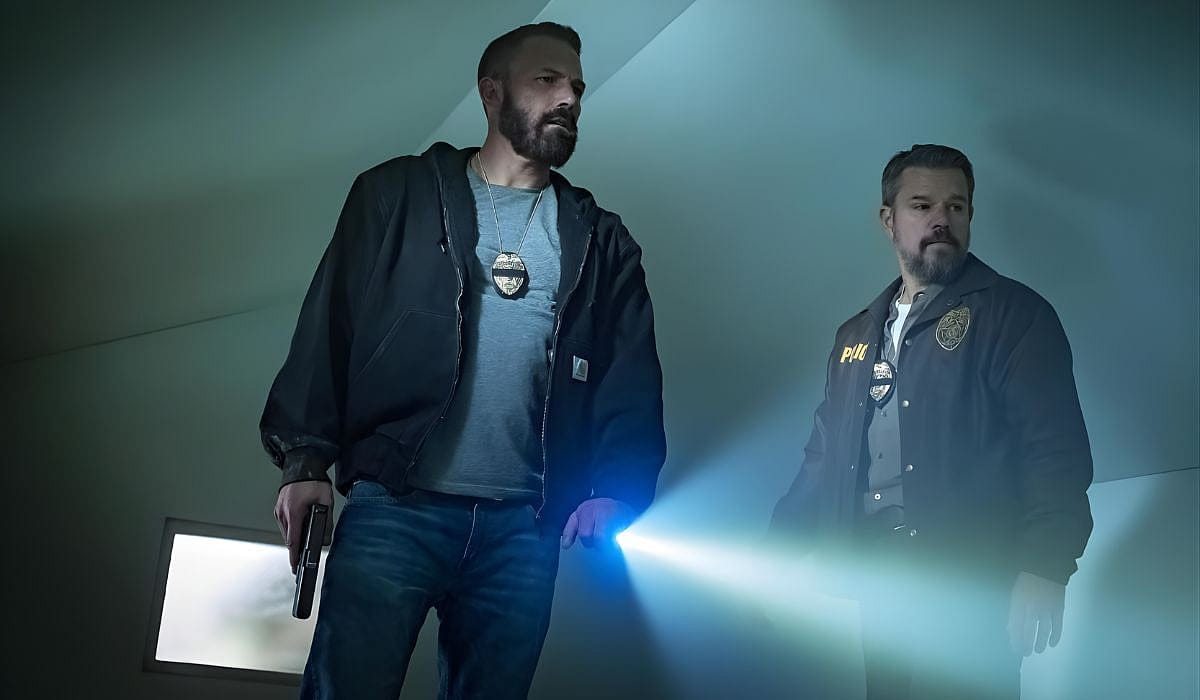
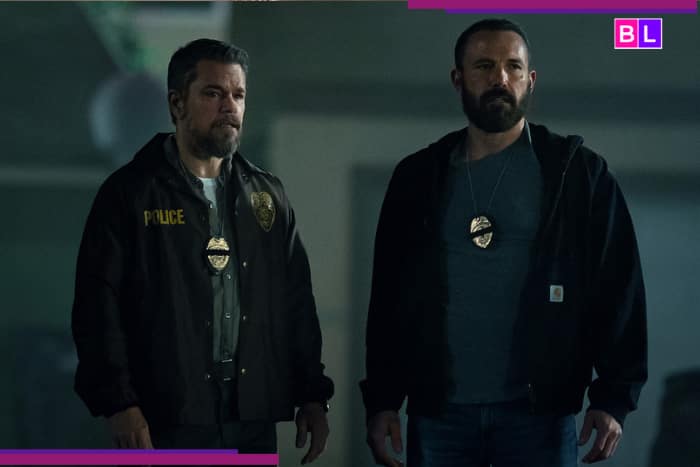
Listen up, folks. Hollywood’s public relations machine wants you to believe something specific about this new movie, The Rip, and the return of Ben Affleck and Matt Damon as a creative pairing. They are pushing a narrative so saccharine, so perfectly manufactured, that it makes your teeth hurt: a magical, long-awaited reunion of two beloved best friends, coming together again purely for the love of cinema and the thrill of storytelling. The press releases gush about their undeniable chemistry, their history stretching back to their early days, and the pure joy of seeing them collaborate once more. This is the official story, the one designed for social media soundbites and glossy magazine covers. It’s the carefully crafted myth of Hollywood nostalgia, where everything old is new again and every partnership is a heartwarming tale of friendship prevailing against the odds. It’s a marketing masterpiece designed to bypass critical thought and go straight for the emotional trigger.
This narrative is precisely what the industry needs right now: a feel-good story in a sea of corporate cynicism. They’re selling us a story about a bromance, not a movie. It’s the same old trick they pull whenever they want to distract from the real issue at hand, which is usually creative bankruptcy disguised as a creative collaboration.
The Cynical Truth: A Calculated Corporate Risk Assessment
Nostalgia as a Financial Safety Net
Now, let’s look behind the curtain, because what we’re actually witnessing isn’t a reunion; it’s a financial calculation disguised as artistic integrity. In an era where streaming giants are hemorrhaging cash and theatrical releases are increasingly volatile, Hollywood’s risk tolerance has hit rock bottom. Originality is a liability. New concepts are too expensive to market to an audience conditioned to demand pre-validated IP. So what do you do when you need a surefire hit to appease shareholders and generate subscription churn? You turn to the most reliable, lowest-risk asset class available: established, recognizable faces and pre-existing relationships. You leverage nostalgia not as inspiration, but as a financial safety net. Affleck and Damon aren’t reuniting because they suddenly found a passion project that could only be told by them; they’re reuniting because their combined star power and shared history represent a minimum viable product for a streaming service desperate for content that people will click on. This isn’t art; this is an algorithm executing a function. The data indicated that their previous collaboration generated a specific amount of goodwill, and now the system is simply exploiting that goodwill to generate more clicks, which is why the focus on the OTT release is so significant. The entire project is less about creating a lasting cinematic experience and more about generating a temporary spike in streaming numbers to justify massive operational expenditures. It’s a cold, hard business decision wrapped in a warm, fuzzy blanket of friendship.
The Degradation of Originality in the Streaming Era
The rise of the streaming model has completely corrupted the filmmaking process. We’re told that streaming offers more creative freedom, but in reality, it offers less. It requires constant, high-volume content delivery, and the most efficient way to achieve this is through pre-packaged, cookie-cutter projects. The entire industry has adopted a copy-and-paste mentality. Think about the countless reboots, prequels, sequels, and reunions we’ve endured over the last decade. Every major studio and platform is desperate to replicate past successes. The Affleck-Damon reunion is simply another manifestation of this trend, proving that Hollywood has completely run out of original ideas. They are creatively bankrupt. They’ve reduced the complex, difficult process of developing new stories into a simple formula: take known quantities, add a dash of nostalgia, and market aggressively. The result is a product that feels less like a film and more like content designed specifically for background noise and high click-through rates. The industry has effectively turned itself into a giant content farm, and the actors, once seen as artists, have become nothing more than high-value commodities in the production line.
The Good Will Hunting Illusion vs. The Corporate Reality
Let’s take a hard look at the past versus the present. When Affleck and Damon first broke onto the scene with Good Will Hunting, they were the ultimate underdogs. They were two young, hungry artists who refused to conform to the studio system, and they took control of their own narrative by writing a script that defied expectations. That film felt authentic; it felt like a genuine piece of art created by outsiders. It’s the very definition of a creative success story. Now, nearly three decades later, they are no longer outsiders; they are the establishment. They are the definition of A-list Hollywood power players, and their choices are no longer driven by the need to prove themselves, but rather by the need to maintain their standing and financial security. The reunion narrative, therefore, is an attempt to sell us the illusion of that early authenticity. They want us to believe they are channeling the same spirit that drove them in the 90s, when in reality, they are playing a completely different game. They are now part of the very corporate machine they once stood outside of, leveraging their friendship as a brand to sell a product. The new film might be called The Rip, but the real rip-off is the industry selling us on the idea that this reunion is anything other than a calculated financial maneuver.
The Cost of Complacency: Why We’re All to Blame
The most infuriating part of this whole charade is not just Hollywood’s calculated risk aversion, but our collective willingness to buy into it. We’ve become so accustomed to nostalgia-driven content that we no longer demand originality. We praise these reunions as if they represent a high point in culture, when in reality they are a symptom of its decline. The media, which should be critically evaluating these trends, instead acts as an extension of the marketing department, amplifying the hype without questioning the underlying motives. This creates a feedback loop where Hollywood continues to deliver more of the same, because we continue to reward them for it. We’re conditioning ourselves to accept comfort food over original, nourishing art. We’ve become a society that prefers the safety of the familiar over the challenge of the new, and Hollywood, in its infinite cynicism, is more than happy to feed us exactly what we think we want, even if it’s creatively empty. This reunion, much like the upcoming OTT release of The Rip, serves as a stark reminder that the future of Hollywood isn’t about new voices or groundbreaking ideas; it’s about recycling familiar faces until they are completely unrecognizable and have lost all meaning. It’s about maximizing short-term profits at the expense of long-term artistic integrity. Don’t fall for it. Don’t let them tell you this is a glorious return. It’s a surrender.