The Official Story: A ‘Dark’ Mystery for Art’s Sake
So, you’ve heard the whispers, right? Rian Johnson and the whole crew are out there doing the press tour shuffle, talking about how Wake Up Dead Man: A Knives Out Mystery is going to be different. The official line—the one they want you to swallow whole with a glass of lukewarm water—is that this third installment is a “shift in tone,” a “darker exploration,” maybe a little bit like that first one, but with extra-spooky vibes. They’ll tell you it’s a creative challenge, a natural progression for Daniel Craig’s Benoit Blanc, taking him out of the bright, sunny locales of Greece and dropping him into something grim, something with high stakes and a very serious, very personal feel. They’re selling it as an artistic choice, a natural evolution of the genre, suggesting that Rian Johnson just felt like it was time to put his foot on the gas and get serious.
The talking heads and the trade papers are eating it up. They’re praising the casting—Josh Brolin, Glenn Close, Jeremy Renner, all of ’em—and focusing on the aesthetic change: a return to a colder, more somber atmosphere after the high-gloss, high-color aesthetic of Glass Onion. They say the religious references—the title itself, the church setting, the whole ‘Dead Man’ concept—are just clever window dressing for another classic whodunnit. It’s all very neat, very tidy, and very, very boring. It’s what they want you to believe because it keeps the conversation shallow, keeps the audience focused on the puzzle box instead of the dynamite inside the box.
The Whispered Truth: The Real Game Being Played
Let’s peel back that onion a layer or two, shall we? Because the official narrative is a carefully constructed lie designed to mask a much more deliberate, much more calculated move. I’ve heard things, seen things in the scripts and the production notes that go way beyond a simple change in artistic direction. This isn’t just Johnson deciding to make a ‘darker’ movie because he felt like it; this is a highly specific, high-stakes political statement disguised as entertainment. The fact that he’s taking on organized religion—and making it the central pillar of the mystery—in a franchise as big as Knives Out? That’s not a coincidence. That’s a strategy.
The Calculation: Why Now, Why Religion?
You have to understand the dynamic between Hollywood and organized religion. For decades, it’s been a dance of carefully avoided topics, a delicate balance where studios don’t want to alienate a massive, churchgoing demographic, especially in the US and global markets. The last time a major studio put real muscle behind a critique of institutional religion, it was a long time ago, and it rarely, if ever, came from a major, established IP. Rian Johnson and Netflix aren’t just making a movie; they’re creating a template. They’re testing the waters to see how far they can push a critique of faith, power structures, and hypocrisy without inviting a full-blown culture war backlash. The ‘darkest movie in the trilogy’ isn’t about gore or jump scares; it’s about moral ambiguity and the specific kind of evil that wears a collar or holds a position of power within a supposedly benevolent institution. They want to expose a specific kind of rot, and they’re using the ‘Knives Out’ brand name as a shield. It allows them to say, ‘It’s just a mystery, folks,’ while delivering a sharp, pointed commentary.
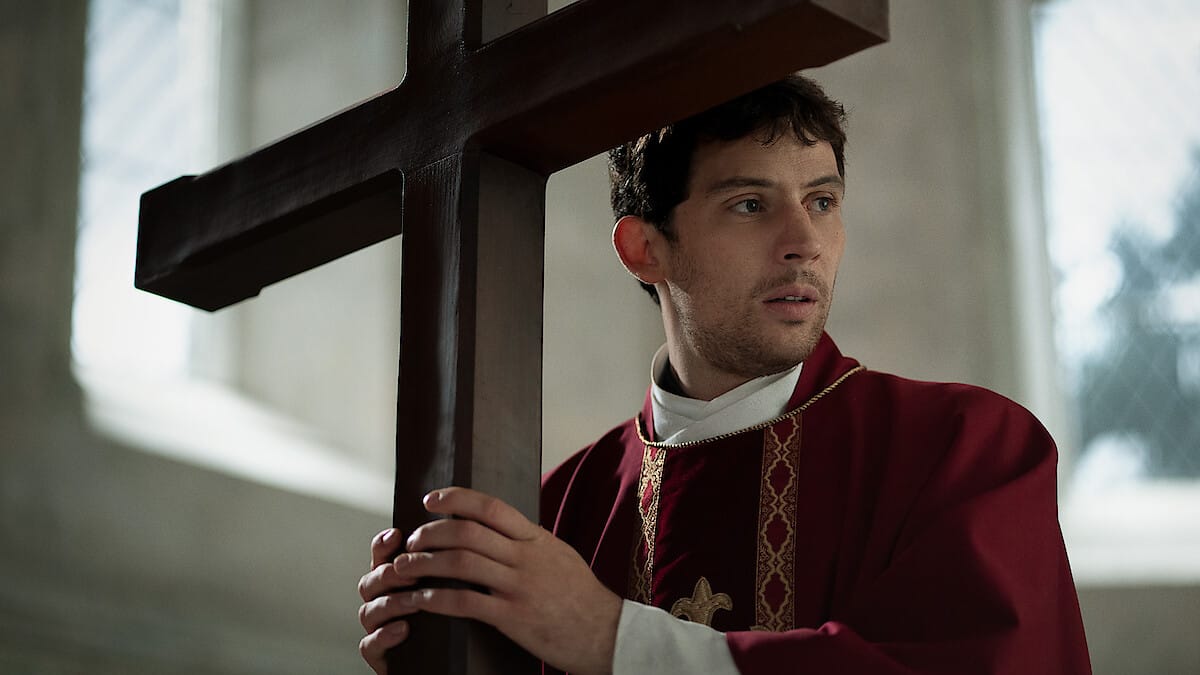
The ‘dead man in church’ isn’t just a physical murder; it’s a spiritual one. The core premise of this film, the insider information says, is an institutional failure. It’s a critique of how faith gets manipulated, how power structures within religious bodies corrupt and destroy the very people they’re supposed to save. The ‘dead man’ isn’t just a victim; he represents the death of integrity within that very institution. This isn’t subtle; this is a very aggressive, very direct challenge to the status quo.
The Josh Brolin Factor: Not Just a Cameo
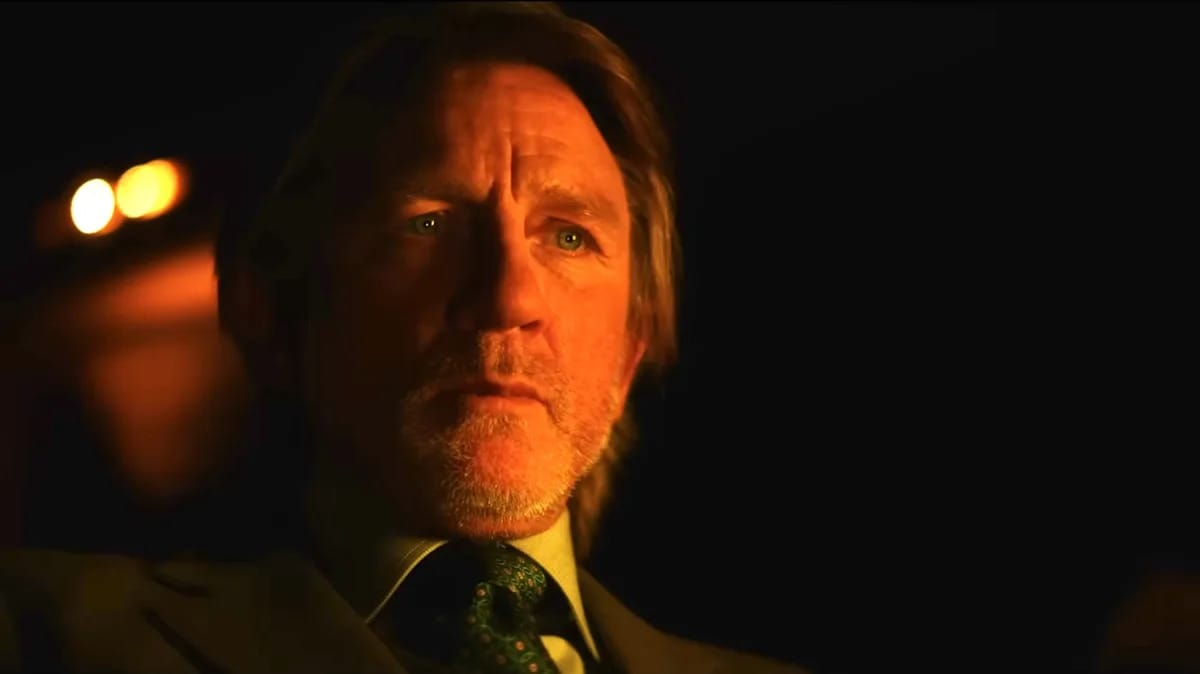
Now, let’s talk about Josh Brolin. His casting isn’t just about getting another big name on the poster. Brolin, especially in his more recent work, has gravitas. He brings a certain weight, a history of playing characters who are deeply conflicted, often wrestling with moral demons. He’s perfect for a role where the lines between good and evil are blurred. In this specific context—the religious mystery—Brolin is likely playing a character who is either a direct representative of this corrupt institution or someone who has been profoundly damaged by it. His involvement in this film isn’t a simple acting gig; it’s part of the narrative architecture. He’s the perfect face for the kind of moral decay that Johnson wants to explore. The idea of Brolin’s character wrestling with the spiritual implications of the ‘dead man’ is where the real drama lies, far beyond the ‘whodunnit’ reveal.
Netflix’s Play: The Global IP Gambit
Let’s not forget the financial side of this equation. Netflix paid a staggering amount of money for the rights to two Knives Out sequels. They need these films to not just perform, but to be cultural events that define the streaming service. Glass Onion succeeded by being fun and timely, but a pure repeat would be stale. To keep the IP relevant and valuable, they have to escalate. The move to a ‘darker’ tone and a controversial subject like organized religion is a calculated risk to generate maximum discussion and controversy. They know that this kind of critique generates headlines, generates think pieces, and keeps people subscribed. It’s a way to generate buzz and maintain relevance in a hyper-competitive market where audiences are saturated with content. They are weaponizing social commentary to drive engagement. The ‘darkest movie’ claim isn’t just marketing; it’s a promise to deliver something provocative enough to break through the noise. They need the controversy to justify the price tag. The official line from Johnson is about art, but the truth is about dollars and cents and cultural warfare, and Johnson is simply a very effective general in that war. He’s been given a blank check to be as provocative as he wants, as long as it gets results. And by targeting institutions of power—religious ones in this case—he’s fulfilling exactly what Netflix wants: high-stakes, high-impact, headline-generating content.
The Future of the Whodunnit: A New Formula
The real implications of Wake Up Dead Man aren’t just for this one movie; they are for the future of the whodunnit genre itself. Johnson is trying to push the genre past the quaint, cozy feel of Agatha Christie and into something more akin to a modern, cynical critique of society. He’s moving away from the drawing-room murder and into the institutional murder. The shift toward a ‘church setting’ and ‘religious references’ isn’t just about aesthetics; it’s about shifting the focus from individual greed to systemic corruption. The mystery isn’t just solving a murder; it’s unraveling the fabric of an institution. This is a very complex calculation, one that involves careful navigation of a deeply sensitive subject. If Wake Up Dead Man succeeds, you’ll see other franchises scramble to follow suit, turning cozy mysteries into socio-political dissections. If it fails, well, then it will be written off as an ‘artistic misstep’ and we’ll go back to fluffy murders in exotic locations. But my bet is that it works, because Johnson knows exactly which buttons to push, and Netflix is perfectly positioned to push them globally provocative content.