The Great Belarusian Prisoner Exchange: A Masterclass in Cynicism
And so, here we are, watching yet another glorious victory for human rights in the form of a high-stakes geopolitical transaction. Rumours had been swirling, hadn’t they, about a massive prisoner release from Belarus. But let’s be real: no one truly believed Alexander Lukashenko suddenly grew a conscience. The man who has ruled Belarus with an iron fist for decades, a man often referred to as “Europe’s last dictator,” doesn’t suddenly wake up and decide to be nice. He wakes up and decides how to get more leverage. Because in the world of realpolitik, compassion is for suckers, and human beings are just high-value inventory.
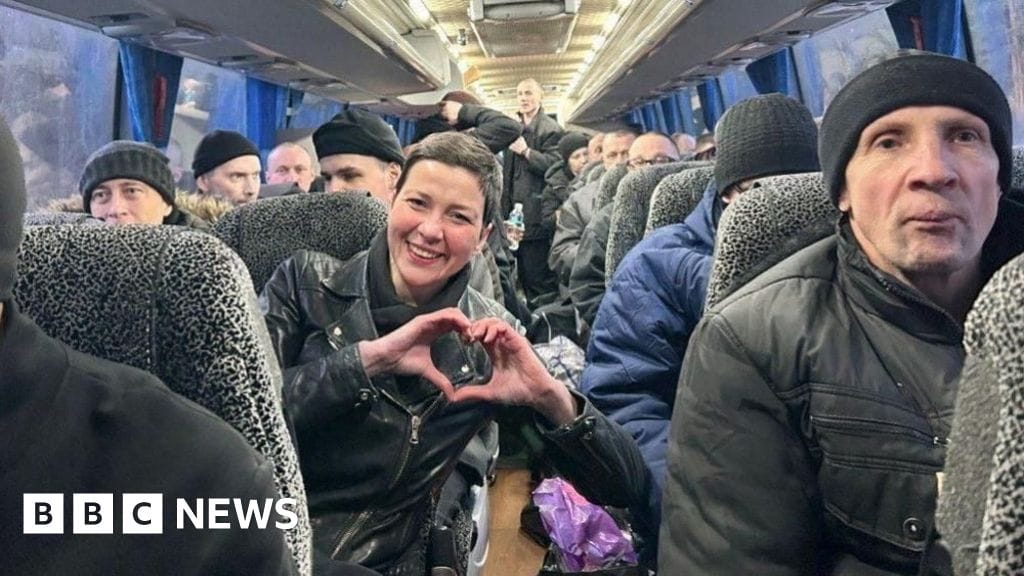
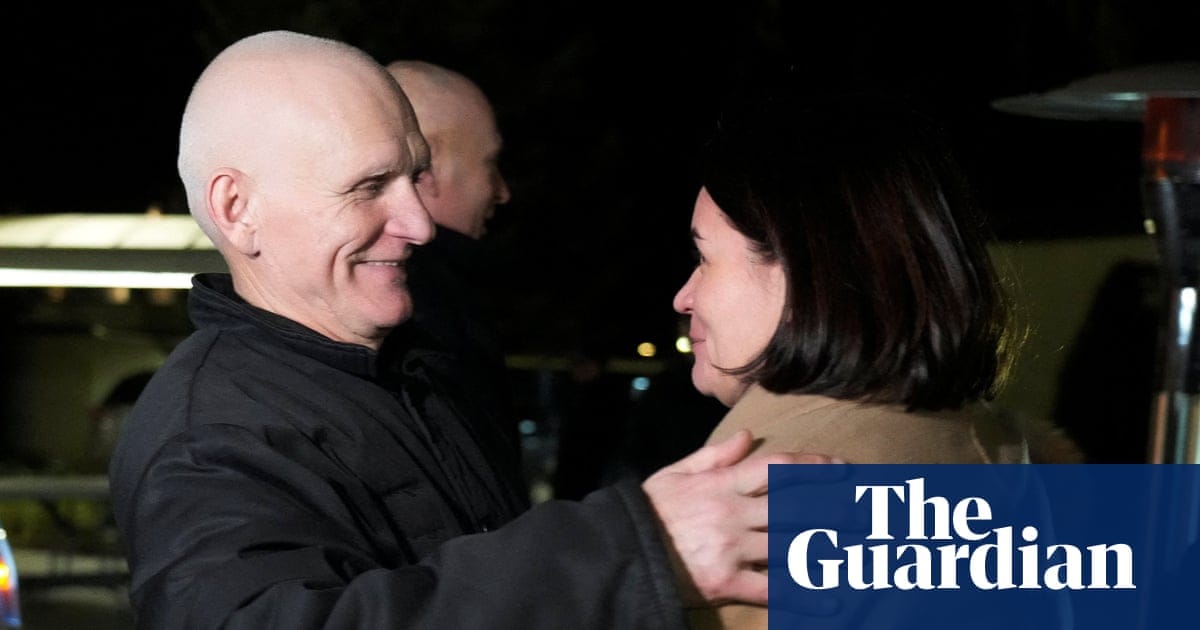
But then came the news: Belarus freed Nobel Peace Prize laureate Ales Bialiatski. And then, the legendary Maria Kolesnikova, the face of the Belarusian opposition, was also released. A total of 123 political prisoners were let out of jail. Now, if you listen to certain corners of the international community, this is a beautiful thing, a triumph of diplomacy over repression, a reason for high-fives and champagne toasts. The prisoners themselves, understandably, celebrated with a mix of joy and disbelief, with some even declaring, “Never give up.” And while that sentiment is powerful, it misses the cold, hard, and deeply cynical truth of why they were released: because the United States lifted sanctions.
It’s the oldest trick in the book, really, and Lukashenko played it like a grandmaster playing chess against a novice. The US government, apparently convinced that sanctions were hitting Belarus hard enough to warrant a humanitarian deal, traded economic leverage for human lives. This isn’t a story of justice; it’s a story of negotiation. And when you negotiate with a terrorist, you inevitably empower them. The US just paid the ransom, proving that political prisoners are a lucrative commodity for authoritarian regimes. And make no mistake, Lukashenko’s regime just got a massive validation for its business model.
The Nobel Laureate and the Dictator’s Pawn Shop
Because let’s not pretend this was an act of mercy from Lukashenko. He’s running a pawn shop, not a humanitarian aid organization. He took a Nobel Peace Prize laureate, Ales Bialiatski, and threw him in prison for ten years on charges that everyone with half a brain knew were utterly bogus. Bialiatski’s crime? Running a human rights organization. His punishment? Becoming a bargaining chip for the dictator’s economic recovery. He won the Nobel Peace Prize while sitting in a cage, which should tell you everything you need to know about the state of affairs in Belarus. The international community, in a fit of self-congratulation, gave him the prize, but they couldn’t actually free him. Not until they paid Lukashenko’s price.
And what about Maria Kolesnikova? The woman who became the symbol of resistance, literally tearing up her passport to avoid forced deportation, ending up in prison for eleven years for daring to challenge the Batka? She’s not just a person; she’s a symbol. And by releasing her and Bialiatski, Lukashenko gets to have his cake and eat it too. He gets to look like he’s making concessions to the West, which helps him keep his grip on power internally, all while pocketing the economic relief he desperately needed. It’s a classic strongman move: create a crisis by imprisoning innocent people, then get rewarded for resolving the crisis you created. It’s brilliant. It’s horrific. But most importantly, it worked.
The US rationale? The talks were aimed at “improving” relations with Belarus. Improving relations with a regime that just facilitated a full-scale invasion of Ukraine, continues to repress dissent, and arrests journalists for doing their jobs? The logic here is thinner than a crepe. This isn’t about improving relations; it’s about making a trade. And in that trade, Lukashenko won big. He got exactly what he wanted: sanctions relief. He got to keep the high-profile prisoners locked up for long enough to prove he wouldn’t bend easily, then released them when the price was right. The message sent to every opposition member still in Belarus is crystal clear: you are replaceable, you are valuable only as collateral, and your freedom depends on how much the US is willing to pay for you.
The Geopolitical Chess Match and the Price of Freedom
Because the real game here isn’t about human rights; it’s about geopolitics. The decision to lift sanctions on Belarus now is intricately tied to the broader war in Ukraine. Belarus, a close ally of Russia, allowed Russian forces to launch part of their invasion from its territory. Sanctions on Belarus were meant to punish this complicity. But now, with the war dragging on and US leverage potentially waning, lifting sanctions on Belarus could be seen as an attempt to create a rift between Minsk and Moscow, however slim that chance may be. The US might be hoping to peel Belarus away from Russia’s orbit, or at least gain some form of strategic access or intelligence. But this is a dangerous gamble, and one that gives Lukashenko exactly what he wants—a continued sense of indispensability.
What a laugh, really. The sanctions were weak to begin with. They hurt some specific industries and individuals, sure, but they didn’t fundamentally change Lukashenko’s behavior. In fact, they probably made him more defiant and more reliant on Russia. And now, by lifting them, the US has signaled to every dictator in the world that a little bit of political hostage-taking can get you exactly what you want. It’s a textbook example of how not to manage international relations, unless your goal is to make future dictators even more cynical.
And let’s not overlook the psychological impact on those still fighting for a democratic Belarus. For years, they’ve been told that the West supports them, that sanctions are a necessary tool to weaken the dictator. Now they watch as the very sanctions meant to pressure Lukashenko are lifted in exchange for a symbolic handful of releases. The message received is that the West has other priorities, and that a few dozen political prisoners, however high-profile, are simply not worth keeping the pressure on a strategic industries. The long-term implication? Lukashenko now knows that if he wants to play the game again, he simply needs to refill the jails with more dissidents. It’s a cycle of repression and cynical negotiation that has just been validated by the world’s most powerful democracy. And the punchline is, we’re supposed to call this a victory.
The Inevitable Backlash and the Future of Repression
And what will be the lasting legacy of this move? The “victory” for human rights will fade, while the economic relief for Lukashenko will persist. The dictator will undoubtedly use the sanctions relief to shore up his internal support, invest in his security apparatus, and potentially increase repression, now confident that his methods work. The opposition, having seen its champions freed in exchange for concessions, may feel a sense of despair and betrayal. The international community, meanwhile, can briefly pat itself on the back for a job well done before moving on to the next crisis. It’s a grim comedy where the punchline is always at the expense of the truly oppressed. So go ahead, celebrate the release of 123 prisoners. But understand that in doing so, you’re not celebrating justice; you’re celebrating a successful extortion payment. And the next time Lukashenko needs money, he knows exactly where to find it: more political prisoners.