
The Anatomy of a Logistical Failure, Disguised as Genius
Let’s talk about the five-year time jump for *Euphoria* Season 3. The official narrative, the one being carefully cultivated by HBO and Sam Levinson, wants you to believe this is a brilliant, necessary artistic pivot. It’s supposed to signify growth, maturity, and the logical progression of these characters from chaotic adolescence to chaotic adulthood. The promotional materials, teasing ‘grown-up’ characters, are framed as a creative decision to push boundaries and explore new territory beyond the high school hallways that defined the show’s initial run. This narrative, however, holds about as much water as Rue’s promises to stay sober.
A forensic deconstruction of the reality behind the delay reveals a different truth: The five-year time jump isn’t a creative flourish; it’s a desperate logistical necessity. It’s the narrative equivalent of putting a bandage on a gaping wound caused by production chaos and, more importantly, runaway star power. When you have a show that achieves the kind of cultural saturation *Euphoria* did, a phenomenon built almost entirely on the visceral, raw portrayal of teenage vulnerability and excess, delaying it for five years and then suddenly jumping to adulthood feels less like a narrative choice and more like the inevitable, predictable solution to a logistical nightmare created by runaway star power and network indecision; a classic example of corporate pragmatism overriding artistic integrity, leaving fans wondering if the magic can ever be recaptured.
The timeline itself tells the story. Season 2 premiered in January 2022. The new season won’t appear until 2026. That’s a massive gap, and during that time, the cast transformed from promising young actors into bonafide, A-list celebrities. Zendaya became a global icon, headlining blockbusters like *Dune*. Sydney Sweeney became a mainstream darling, leading films like *Anyone But You* and securing countless endorsements. Jacob Elordi became a household name with roles in *Saltburn* and *Priscilla*. Their schedules, previously manageable for a demanding TV production, became complex logistical puzzles involving multiple studios and high-dollar contracts. The high school setting, once the perfect crucible for their drama, became a trap. How do you credibly film a high school drama when your leads are now visibly in their late twenties and commanding salaries that reflect their new status? The simple answer is, you don’t. You pivot. You force a time jump to justify the delay, to align the characters’ fictional ages with the reality of the actors’ lives, and to give them a narrative out from the constraints of the high school setting that defined the show’s identity.
The Illusion of Growth and the Dilution of Identity
The core appeal of *Euphoria* was its unflinching look at adolescence. The anxiety, the excess, the visceral pain of being on the cusp of adulthood, but still trapped in the high-school hierarchy. It captured a specific zeitgeist. The new season, featuring ‘grown-up’ characters, threatens to fundamentally change the show’s DNA. This isn’t a sequel; it’s almost a soft reboot. The ‘grown-up’ angle suggests the characters will now face adult problems—career struggles, rent payments, potentially different relationship dynamics outside of the high school clique. While this may offer new creative avenues, it also sacrifices the show’s original appeal: the specific, suffocating pressure cooker of high school where every small incident feels like the end of the world. The shift from high school angst to adult angst is a significant tonal departure, potentially alienating the very audience that gravitated to the show’s initial intensity.
We have to ask ourselves: Will a ‘grown-up’ Rue, potentially further along in her sobriety journey and navigating post-college life, be as compelling as the raw, destructive teenager we watched in previous seasons? Will the complex web of relationships that defined the ensemble cast, particularly the toxic dynamic between Rue and Jules, survive the five-year separation? It’s highly likely that the show’s central themes will be diluted as the narrative attempts to mature alongside its cast. The showrunner, Sam Levinson, has a distinct style, but adult drama requires a different kind of focus. The very thing that made *Euphoria* groundbreaking—the stylized, often exaggerated depiction of teen experience—might feel out of place when applied to characters in their mid-twenties. The high school setting was a character in itself, and abandoning it for generic adult settings could easily diminish the show’s impact.
HBO’s Calculated Risk: Salvaging IP in a Saturated Market
Let’s not forget the corporate context. The input data highlights that *Euphoria* Season 3 is part of a larger 2026 preview, alongside key IP like *House of the Dragon* and new shows like *Lanterns*. This isn’t just about making good television; it’s about shoring up subscriptions for HBO Max. In a streaming war where every platform needs a tentpole series to prevent churn, *Euphoria* is one of HBO’s most valuable assets. The time jump allows HBO to keep the franchise alive and relevant without having to deal with the impossible task of coordinating star schedules for a traditional high school narrative.
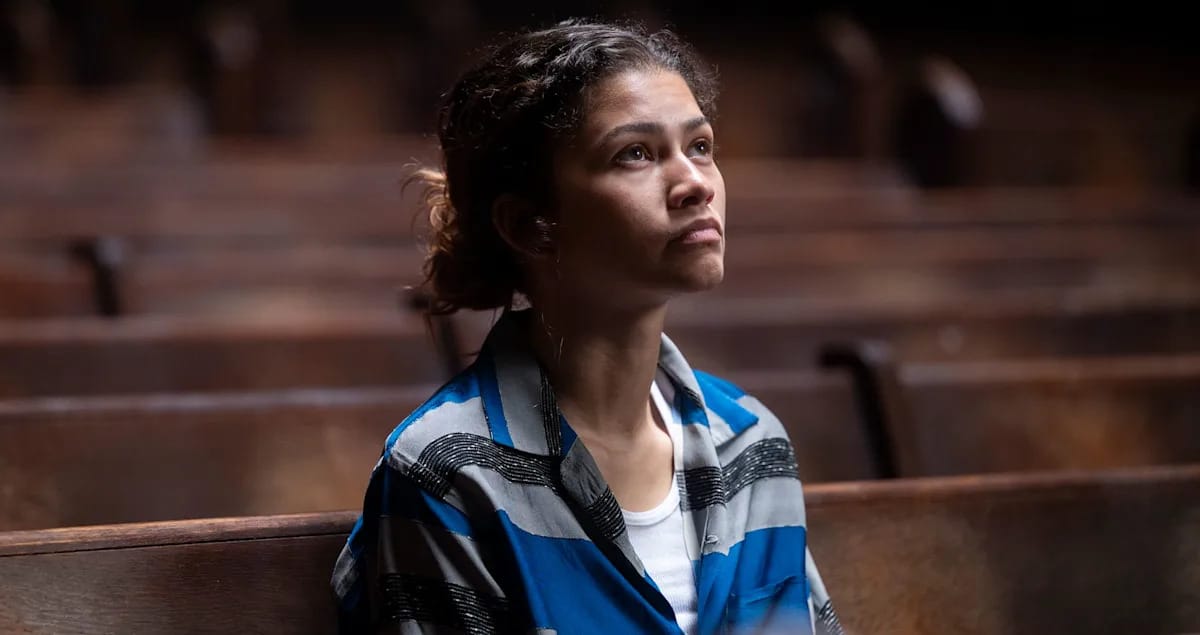
The five-year jump essentially buys time and resets expectations. It’s a calculated risk to maintain brand loyalty while accommodating the reality of their A-list cast. It’s the only way to retain the biggest names and generate headlines. The new preview images featuring the cast look less like candid, character-driven snapshots and more like polished marketing materials designed to reassure fans that the core cast is returning. The question isn’t whether the show will be good; it’s whether it will be *Euphoria*. The initial premise revolved around the idea that these characters were struggling to find themselves; now, they’re adults. The new season faces the difficult task of justifying why these characters, seemingly in different phases of life, would still be orbiting each other. The time jump, while solving one problem, creates a host of new narrative challenges that may prove impossible to overcome, ultimately resulting in a diluted version of a once-great show.