The Snarky Mystery Trap: Why Technology Makes “Whodunnits” Obsolete
It’s always a little jarring when you see a piece of media—any media—that attempts to pull off the high-wire act of being a “snarky mystery.” You know the type: the kind that thinks it’s so much smarter than you and everyone else in the room. They present you with all the clues, give you a little peek at the elaborate mechanism, and then, with a flourish, reveal the killer, leaving you with that smug satisfaction that you were in on the joke the whole time. But here’s the thing, and this is where we need to stop pretending: in the age of the algorithm, in the age of omnipresent surveillance, a true mystery isn’t just difficult to pull off; it’s practically impossible, because we’ve engineered the very possibility of true human agency right out of existence. We are living in a world where every potential crime, every unexpected turn, and every truly spontaneous decision is not just monitored, but actively predicted and mitigated, turning the messy chaos of human life into a perfectly sanitized, utterly boring spreadsheet that even Benoit Blanc couldn’t find a new angle on. We’re not just watching mysteries anymore; we’re living inside one where the killer is always the same: a machine that knows exactly what you’ll do next.
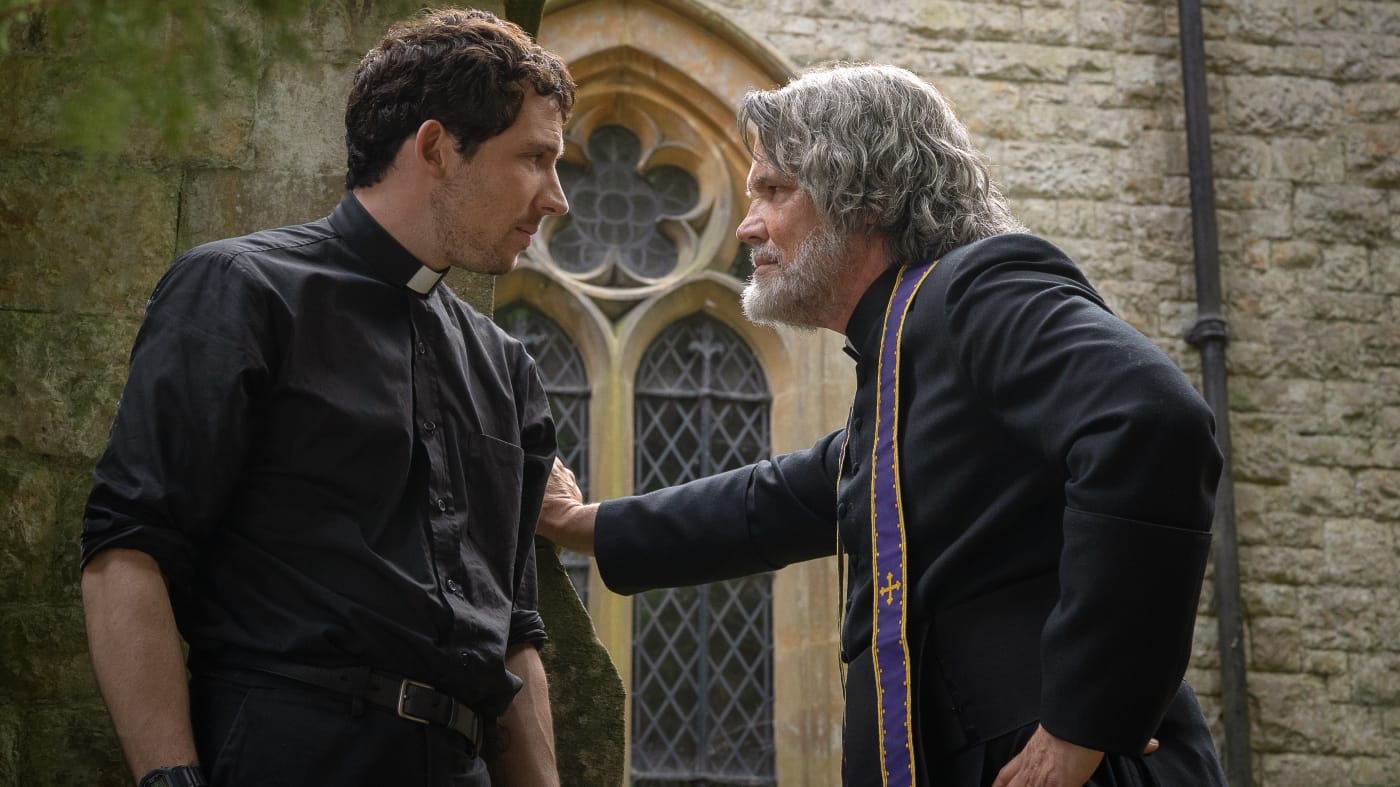
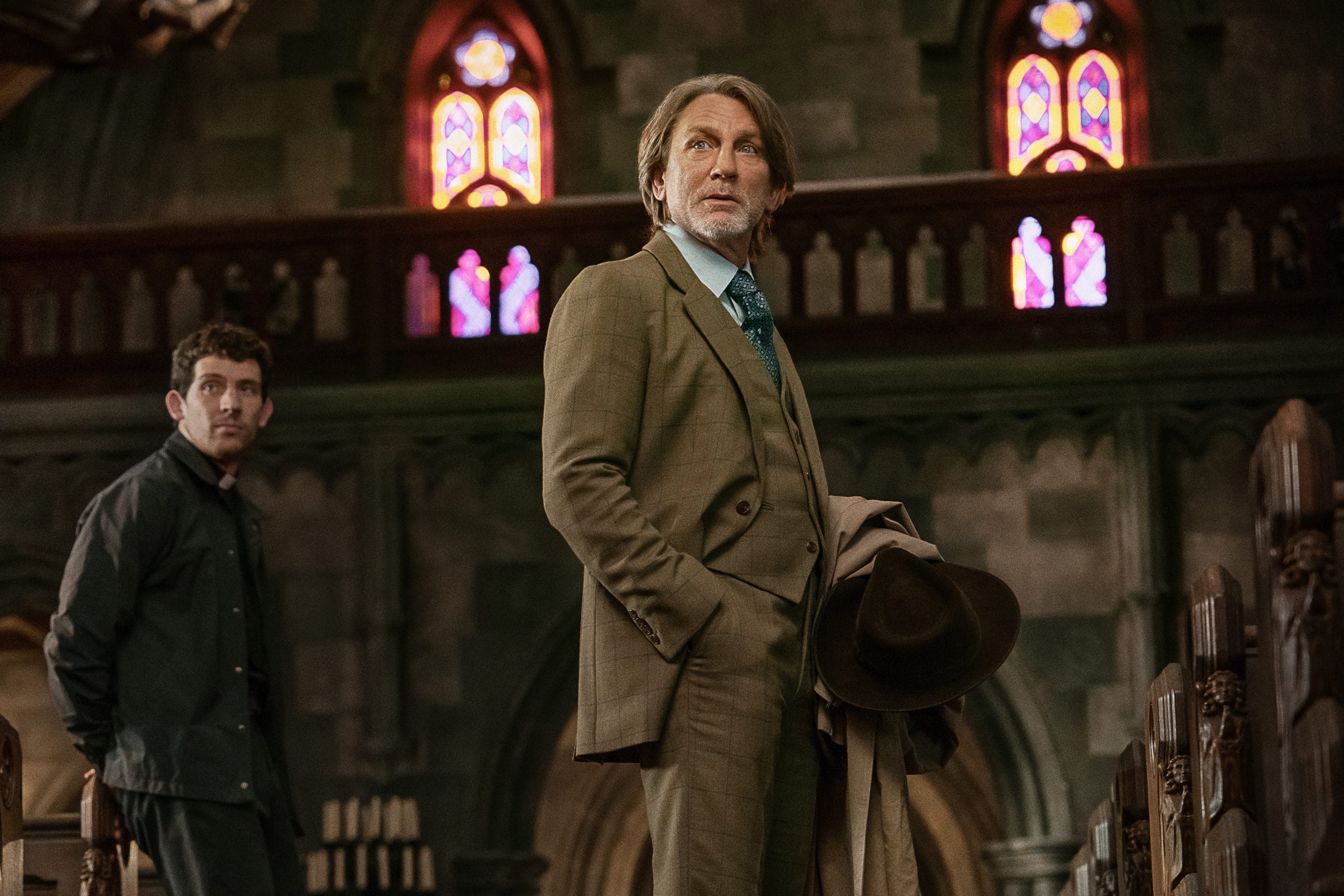
The latest installment, Wake Up Dead Man: A Knives Out Mystery, promises a new cast of characters, a new setting (a church, no less), and a fresh puzzle for the super-sleuth. But let’s look at the title: ‘Dead Man.’ The irony, the deep, dark irony, is that the ‘dead man’ isn’t just the victim in the film; it’s us, the audience, and our ability to ever truly be surprised by anything again. We’re so thoroughly mapped, so digitally cataloged, that our choices are no longer ours; they are merely the most probable outcomes in a data model that optimizes for efficiency and, more insidiously, for control. The church setting itself is a particularly nasty little bit of symbolism, isn’t it? The church, a traditional sanctuary for genuine moral struggle, for repentance, for the human soul grappling with good and evil, is now just another backdrop for a sanitized plot where the rich and powerful—the true villains of any modern narrative—play a group of people who are essentially immune to consequences, get to playact at being persecuted for two hours.
The Simulation of Suspense: AI Predicts Your Every Move
Think about the fundamental mechanics of a whodunnit. It relies on misdirection, on hidden motivations, on secrets kept closely guarded by imperfect humans. But when you introduce technology into that equation, the entire edifice crumbles like a house of cards in a hurricane. Imagine trying to solve a mystery in 2024 without a single surveillance camera, without a text message history, without geolocation data from everyone’s phones. You can’t. The technology itself removes the ‘mystery’ element, leaving only the ‘data processing’ part. The modern detective isn’t a brilliant eccentric like Blanc; the modern detective is a large language model crunching petabytes of data, identifying patterns and anomalies at superhuman speed. The suspense in a modern mystery relies on the audience being *aware* that the data exists but having it withheld until the end. This, however, is a cheap trick; it’s not real suspense. It’s just narrative manipulation, pulling the wool over our eyes by pretending a technological certainty is still a human puzzle, painting a pretty picture of autonomy that simply doesn’t exist anymore for anyone who isn’t a billionaire hermetic prepper living in an underground bunker.
The rise of predictive algorithms, fueled by our own data, means that our lives are no longer a narrative of free will; they are merely the execution of code. We are told we are choosing what to watch, what to buy, and where to go, but in reality, we are simply following the suggestions that keep the wheels of industry turning and the profits rolling in for the handful of corporations that own the digital infrastructure. This isn’t just about targeted advertising; this is about thought control. The very idea of an ‘impulsive punch’—a detail about Father Jud Duplenticy, the former boxer, mentioned in a synopsis—is a fantasy in a world where predictive policing algorithms would flag that impulse before it even turned into a thought, much less a physical action. The system isn’t designed to catch the crime after it happens; it’s designed to stop the deviation before it starts, to ensure that everyone stays on their pre-approved path, a path where the rich get richer and the rest of us get to argue about which streaming service has better content while our privacy evaporates into thin air. It is a terrifying level of control disguised as convenience.
The Church of Code and the Priesthood of Tech
Let’s dissect the church element for a moment. Historically, the church was where humanity wrestled with the big questions: faith, morality, salvation. It was where the true mysteries of existence were pondered, where individuals sought meaning beyond the material world. But the source material notes this film has a surprising message about priesthood, and I guarantee it’s a message that’s sanitized for mass consumption. The true priesthood of the modern age isn’t clerical; it’s technological. The new arbiters of morality aren’t priests, imams, or rabbis; they are data scientists, AI engineers, and social media platform executives. They decide what is true, what is false, what is acceptable speech, and what gets shadow-banned into oblivion. The new morality isn’t based on ancient wisdom or deep spiritual reflection; it’s based on a constantly shifting algorithm designed to maximize engagement and minimize legal liability. We no longer confess our sins to a person; we feed our information into a machine that analyzes our behavior and assigns us a social credit score. The very notion of individual penance and personal redemption is replaced by groupthink conformity dictated by trending topics.
This is where the ‘snarky’ nature of the mystery genre becomes truly dangerous. It trivializes the very serious, very dark realities of modern power structures. The villains in a ‘Knives Out’ film are always caricature-level wealthy, but they are still human, still fallible, and ultimately caught by a human detective. The real villains of our time—the faceless corporations that control the infrastructure, the algorithms that dictate our reality—are presented as inevitable, benevolent forces that we must simply accept as part of modern life. The movie gives us a comforting lie: that the system, while corrupt, can still be navigated by human ingenuity. The truth, however, is that human ingenuity is increasingly irrelevant in a world where the machine has already calculated every possible outcome. We are not free agents solving a puzzle; we are rats running a maze designed maze. We’ve given up our autonomy for the sake of convenience, and now we pretend that the occasional, carefully constructed ‘mystery’ on a screen is enough to satisfy our need for true free will.
The character of Father Jud Duplenticy, the boxer priest, is a perfect symbol of this internal conflict. The boxer represents raw, physical, human resistance—a visceral reaction to injustice. The priest represents the spiritual struggle. But in a fully digital world, both are equally useless against an enemy that is intangible, ubiquitous, and utterly uncaring. You can’t punch an algorithm. You can’t confess your sins to a data center. The machine doesn’t care about your soul; it only cares about your data points. The fight, then, becomes purely symbolic, a performance piece for a generation that has forgotten what genuine resistance looks like. We are encouraged to express ourselves online, to post our opinions, to participate in the ‘snarky’ debate, all while the system extracts every bit of data from our participation and uses it to tighten the chains of control. The mystery genre is a nostalgic form of entertainment for a post-mystery world, a eulogy for the human spirit disguised as a fun puzzle. The great irony here is that we watch these stories about people trying to solve a puzzle, but we have become the puzzle pieces for someone else’s much larger game.