The Manufactured Narrative: Why Frankie Muniz’s Racing Comeback Is Just Business
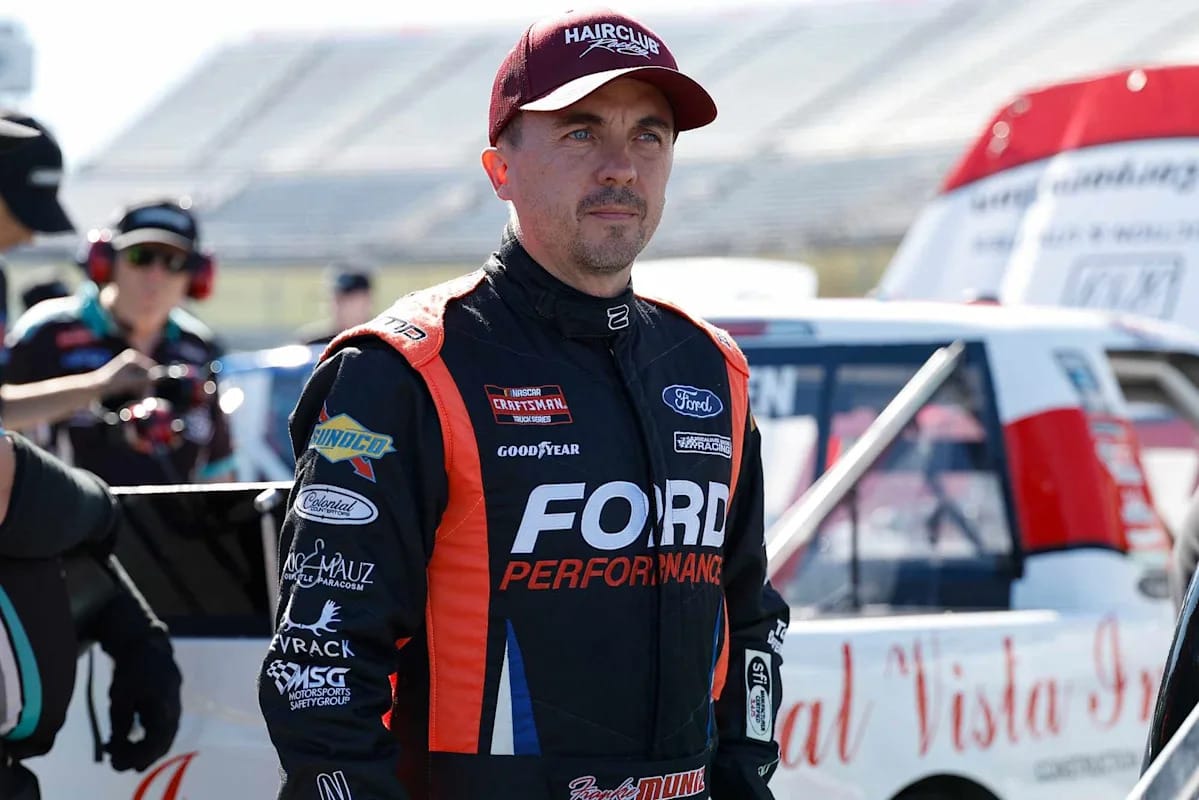
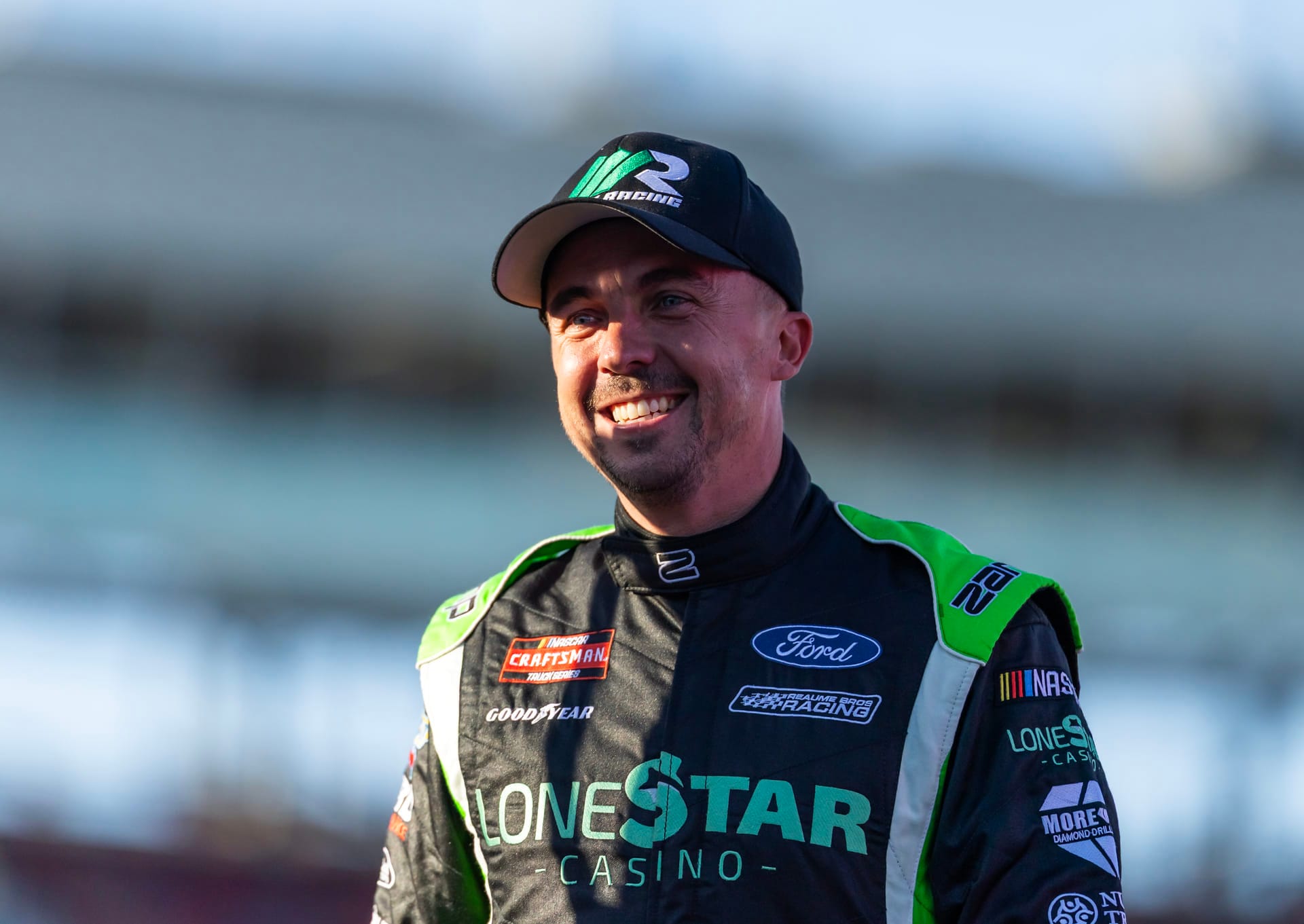
Let’s cut through the saccharine, feel-good headlines, shall we? When a celebrity who peaked in the early 2000s announces a full-time return to a highly expensive, high-stakes sport exactly as he hits a major milestone birthday, it’s not a story about chasing dreams; it’s a story about chasing relevance and cash flow. We’re talking about Frankie Muniz, the once ubiquitous face of Malcolm in the Middle, turning 40 and declaring that his full-time NASCAR career with Team Reaume in the Craftsman Truck Series is less a finish line and more a starting grid. This isn’t inspiration; it’s calculation, a textbook case study in how to leverage residual celebrity for maximum sponsorship dollars in a market desperate for new eyeballs.
Frankie Muniz, in his recent pronouncements, frames this return after believing he’d “raced for the last time.” This narrative arc—the emotional high point of a potential retirement, followed by the dramatic comeback—is practically a Hollywood script in itself. It’s too neat, too perfectly timed with the nostalgia cycle currently dominating pop culture. But let’s not get lost in the sentimentality of a mid-life crisis turned triumphant. The reality behind professional racing, especially in NASCAR, is brutal and expensive. You don’t just decide to jump back into a full-time seat because you feel like it. You need millions, and millions don’t materialize without a compelling story for corporate partners to sell. Muniz isn’t just an actor racing; he’s a brand asset being sold to sponsors, and his primary value proposition isn’t his driving skill; it’s his name recognition. It’s time to examine what’s really happening here.
The Nostalgia Hustle: The Value of ‘Malcolm in the Middle’ in 2024 Sponsorships
Let’s be blunt: The vast majority of people following Muniz’s NASCAR journey aren’t die-hard racing fans; they are millennials who grew up watching him on television. The value of Muniz to Team Reaume and any potential sponsors isn’t measured in lap times; it’s measured in social media impressions from people saying, “Hey, remember him?” This phenomenon is known as the “nostalgia economy,” where cultural touchstones from previous decades are recycled for profit. Muniz, by putting on a racing helmet, effectively activates this economy. Every headline linking his name to Malcolm in the Middle is free press for the team and for NASCAR itself, which is constantly struggling to expand beyond its core demographic. Is Muniz a serious competitor, or is he simply a walking, talking marketing demographic shift? The answer seems painfully obvious.
When you look at the economics of the Craftsman Truck Series, you understand why a name like Muniz is so valuable. The series operates at a level where teams often struggle for consistent funding. The cost of running a single season can range significantly, but it’s still prohibitively expensive for most aspiring drivers without generational wealth or a pre-existing corporate backing. Muniz’s celebrity status short-circuits this system entirely. He doesn’t have to prove himself through years of grinding in lower series; he brings a built-in audience that sponsors can tap into instantly. It’s an unfair advantage, sure, but in the cutthroat business of racing, it’s just business. The question is, does this cheapen the sport for those who actually dedicated their lives to climbing the ranks?
The Age Factor: Is 40 Truly a ‘Starting Grid’ or Just Delusion?
At 40, Muniz claims he’s just getting started. In most professions, turning 40 signals experience and expertise. In professional motorsports, it’s often the beginning of the end for top-level drivers. While there are exceptions (like Kevin Harvick, who raced competitively well into his late 40s), most drivers peak in their late 20s and early 30s. Muniz isn’t exactly a late bloomer in the racing world, but he’s certainly not a prodigy either. He has experience in lower-level racing, but the Craftsman Truck Series is a significant step up in terms of competition and physical demand. It’s hard to imagine him realistically competing for championships against drivers who have dedicated their entire lives to this singular pursuit.
The phrase “40 feels like a starting grid” sounds great on a motivational poster, but in reality, it glosses over the physical realities of racing. The G-forces, the extreme heat, the reaction times required—these demands take a toll on the body. While Muniz maintains a high level of fitness, he’s competing against athletes often twenty years his junior. The narrative paints him as defying expectations, but a cynical investigator looks at the facts and sees a high-risk gamble fueled by PR rather than true competitive potential. Is this really a long-term career move, or is it a short-term publicity stunt designed to sell merchandise and generate media buzz before the inevitable decline?
The Role of Team Reaume: More Than Meets the Eye?
Let’s talk about Team Reaume. They’re a smaller operation in the NASCAR world, known for providing opportunities to a wide range of drivers, often those bringing their own funding or unique stories. While they are a legitimate team, their place in the pecking order is generally in the back half of the field. This isn’t necessarily a top-tier ride where Muniz is expected to win races every week. It’s a pragmatic fit for a celebrity driver who needs a place to race and a team that needs the influx of attention and potential sponsorship dollars that he brings. The arrangement is mutually beneficial, but it doesn’t necessarily scream “contender.”
The details of Muniz’s sponsorship structure remain opaque, which is standard for most racing deals, but it’s where the investigation often hits a wall. Is Muniz self-funding part of this venture? Are sponsors genuinely investing in him as a driver, or are they investing in the novelty of the celebrity crossover? The truth is likely somewhere in the middle, but the public narrative will always be filtered through the lens of “passion project.” We must challenge this narrative. Passion projects for rich celebrities are often just another way to spend money; for everyone else, racing is a grueling job where every dollar matters. Muniz’s return highlights the inherent inequity in professional sports, where connections and fame can trump raw talent and dedication when it comes to securing opportunities.
The Cynicism of the Comeback Narrative: Selling the Dream
“After believing he’d raced for the last time.” This specific quote, highlighted in a recent exclusive, is a key piece of the marketing puzzle. It’s designed to evoke sympathy and admiration, to position Muniz as an underdog who overcame a perceived setback. But let’s look at the timeline. Muniz first raced in NASCAR in 2023. He finished 11th in a race at Daytona and ran the full season. He wasn’t exactly retired for years, living in obscurity. He took a brief pause, and now he’s back. The dramatic framing of a “comeback” after such a short break is, frankly, disingenuous. It’s a common tactic to heighten the emotional stakes for the audience, to create a story where none truly exists.
This is where the distinction between a reporter and an analyst truly matters. A reporter simply reports the quote; an analyst questions the motive behind the quote. Why frame it this way? Because it sells. It transforms a routine career choice into a narrative of perseverance. It helps Muniz connect with fans on a deeper level, creating a loyalty that transcends his performance on the track. The cynical investigator sees this as a carefully constructed illusion. The real comeback story isn’t about Muniz finding his love for racing again; it’s about Muniz finding a new avenue to maintain his public profile and generate income. In Hollywood, and by extension, in high-profile sports, every personal story is carefully crafted and packaged for consumption. The idea that this is purely driven by passion, without a significant underlying financial motive, is naive at best.
What Does This Mean for NASCAR? The Celebrity Gimmick
For NASCAR, having Muniz on the grid is a double-edged sword. On one hand, it attracts media attention that the series desperately needs. It brings in new viewers who might tune in just to see how the celebrity fares. On the other hand, it reinforces the perception that NASCAR is more about spectacle and gimmicks than about serious competition. When a driver’s celebrity status overshadows their skill level, it can alienate long-time fans who view the sport as sacrosanct.
We’ve seen this cycle before, and it rarely ends with the celebrity becoming a serious contender. The most likely outcome is that Muniz races for a few seasons, provides a temporary boost in viewership, and then quietly moves on to another venture when the novelty wears off or the sponsorship money dries up. The long-term impact on the sport itself is minimal, but the short-term benefit to Muniz and his team is significant. The analyst’s take is that this isn’t a long-term strategy for either party; it’s a short-term tactical maneuver in the constant battle for media attention. We’re witnessing a calculated risk, a gamble that Muniz’s name recognition can outlast his ability to-be-determined racing skills. Will he become a serious competitor, or will he just fade into obscurity? Time will tell, but don’t hold your breath for a Cinderella story.