
The Gilded Cage of the “Student-Athlete”
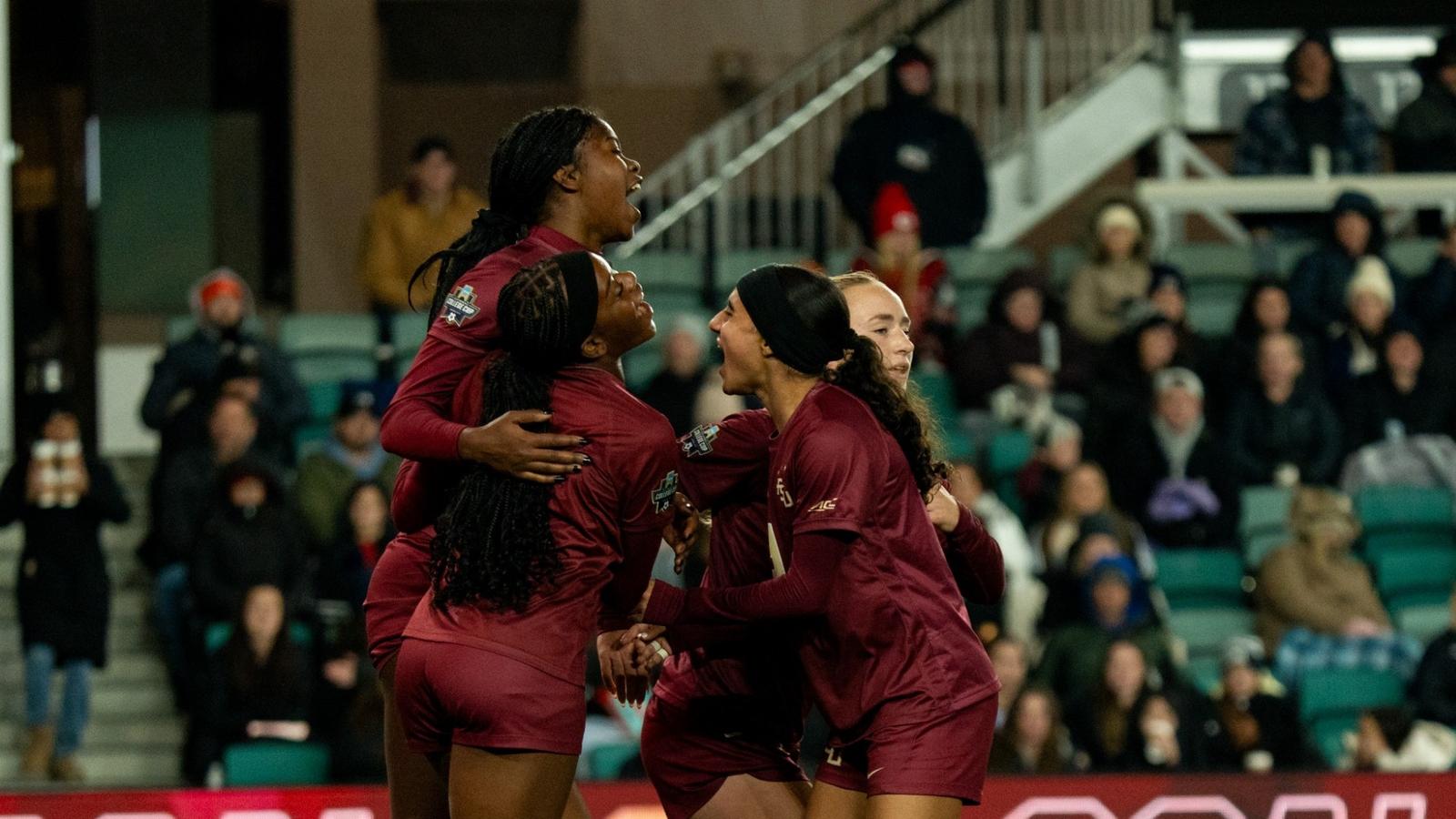
So, Florida State is in the national championship. They squeaked by TCU with a 1-0 win, a late goal, a dramatic save at the buzzer. The headlines write themselves, painting a picture of grit, determination, and collegiate spirit. What a load of garbage. Don’t let them sell you that fairytale because the real story is so much more cynical, so much more rotten to the core. This wasn’t an upset or a nail-biter between two scrappy teams; it was a pre-ordained corporate board meeting disguised as a soccer game, where one well-funded athletic department asserted its dominance over another slightly-less-funded-but-still-gargantuan athletic department. And we, the audience, are expected to cheer for the logo on the jersey as if it means something more than a trademark.
They tell us to celebrate Wrianna Hudson, the hero who scored. They want us to marvel at Kate Ockene, the keeper who made the final, heart-stopping save. And yes, on an individual level, their athletic prowess is undeniable. These are elite athletes performing at the peak of their abilities under immense pressure. But that’s precisely the problem. They are professional-caliber athletes in everything but name (and pay). They are the unpaid labor force for a multi-billion dollar entertainment industry that has the gall to call itself ‘amateur athletics’. It’s a sick joke. A very profitable one.
The Illusion of Parity
Let’s talk about that game. No. 3 FSU beats No. 2 TCU. On paper, it looks like a tight contest, a battle of titans. And it was, in the same way a battle between Coca-Cola and Pepsi is a battle of titans. They are both behemoths, part of the same corrupt system that ensures the little guys (you know, the schools without massive TV deals and billion-dollar endowments) never even get a whiff of the championship air. The seeding is just window dressing, a carefully crafted narrative to make you think there’s a level playing field. There isn’t. The game is rigged from the start, from the first recruiting visit where these mega-schools can offer facilities and resources that others can only dream of. The NCAA tournament isn’t a test of the best teams; it’s a confirmation of the richest ones. It’s a closed loop, a self-perpetuating cycle of wealth and power that has absolutely nothing to do with the romantic ideals of college sports they shove down our throats every December.
These players dedicate their entire lives to this sport. Their days are a grueling marathon of classes they’re likely too exhausted to focus on, punishing training sessions, film study, and travel. They sacrifice their bodies, their social lives, their mental health, all for the ‘honor’ of wearing the school’s colors. The school, in return, makes millions off their labor through ticket sales, merchandise, and broadcast rights. The coaches make seven-figure salaries. The athletic directors are corporate executives. And the players? They get a scholarship, which is essentially a voucher for employment that doesn’t even cover the full cost of attendance half the time. They are assets, not students. They are products, not people. And this game was just another showcase of the product, polished and packaged for mass consumption.
A Tournament for Kings, Not Competitors
And now we get the grand finale we all could have predicted if we were paying attention: Florida State vs. Stanford. An all-ACC College Cup final. How… predictable. How… boring. This isn’t a testament to the strength of the Atlantic Coast Conference. It’s an indictment of the entire collegiate athletic system. The Power Five conferences (a term that itself sounds like a corporate cabal) have created a cartel. They’ve consolidated the money, the media attention, and the recruiting pipelines to such a degree that it’s virtually impossible for an outsider to break through. This final is not a celebration of competition; it’s a coronation ceremony for the ruling class. Two of the biggest, wealthiest, most powerful athletic programs in the country will play for a trophy, and the NCAA will count its money and laugh all the way to the bank.
Why even bother playing the early rounds? Why give the smaller schools false hope? It’s all part of the show. The Cinderella story is a useful marketing tool, a one-in-a-million exception they can point to while the other 999,999 times the system works exactly as designed: funneling all the glory and cash to the top. This isn’t sport. It’s feudalism. The ACC, the SEC, the Big Ten… they are the feudal lords, and the smaller conferences are the peasantry, allowed to exist only to make the lords look magnanimous when they occasionally let one into the castle for a beating. The system isn’t broken; it was built this way on purpose. To consolidate power. To maximize profit. To ensure the same names are in the headlines year after year.
The Inevitable Coronation
So when you tune into this championship game, what are you actually watching? You’re not watching a pure sporting contest. You’re watching the culmination of a business cycle. You’re watching the return on investment for two massive corporations that happen to have universities attached to them. Every pass, every shot, every save is underwritten by millions of dollars in alumni donations, sponsorship deals, and media rights. The players on the field are just the temporary, interchangeable faces of these monolithic brands. Five years from now, most will be gone, replaced by the next crop of blue-chip recruits, and the machine will grind on, unaffected. The jerseys will still sell. The TV checks will still clear. Nothing will change. This game isn’t a conclusion; it’s just a commercial break before the next season of the same old show. It’s a meticulously produced piece of content designed to reaffirm the status quo.
So Why Are We Watching This Farce?
This is the real question, isn’t it? Why do we, the fans, the viewers, continue to legitimize this charade with our attention and our money? Are we so desperate for a story, for a hero, that we’re willing to ignore the blatant exploitation at the heart of the enterprise? We cheer for laundry. We get emotionally invested in the success of institutions that view the athletes we admire as disposable assets. We buy into the myth of the ‘student-athlete’ because the reality is too ugly to confront. The reality is that we are complicit in a system that chews up young people and spits them out, often with little more than a battered body and a degree they were too busy to properly earn.
And let’s not even get started on the hypocrisy when it comes to women’s sports. The NCAA and its member institutions love to pat themselves on the back for ‘supporting’ women’s athletics, but it’s a hollow gesture. They’ll promote the Women’s College Cup for a weekend, but where is that energy the rest of the year? The funding disparities between men’s and women’s programs are still astronomical. The media coverage is a joke. These athletes perform on the biggest stage, and it’s still treated as a niche, secondary event compared to the men’s equivalent (just look at the difference in resources and promotion for the men’s College World Series or March Madness). They’re fighting for a championship in a system that still, fundamentally, views them as a B-side. It is a disgrace. The whole thing.
So, no, I won’t be celebrating the FSU victory or breathlessly anticipating the all-ACC final. I’ll be watching with a sense of profound anger and disappointment. Anger at the greedy, soulless system that is the NCAA. And disappointment in all of us for continuing to play along. It’s time to stop cheering and start demanding. Demand that these athletes get paid for their labor. Demand that the obscene profits be shared. Demand that the ludicrous charade of ‘amateurism’ be torn down, once and for all. Stop buying the jerseys. Stop watching the broadcasts. Stop feeding the machine. Because until we do, we’re just spectators at a very expensive, very unjust circus. Wake up.