1. The Unassailable Logic of an Immovable Object
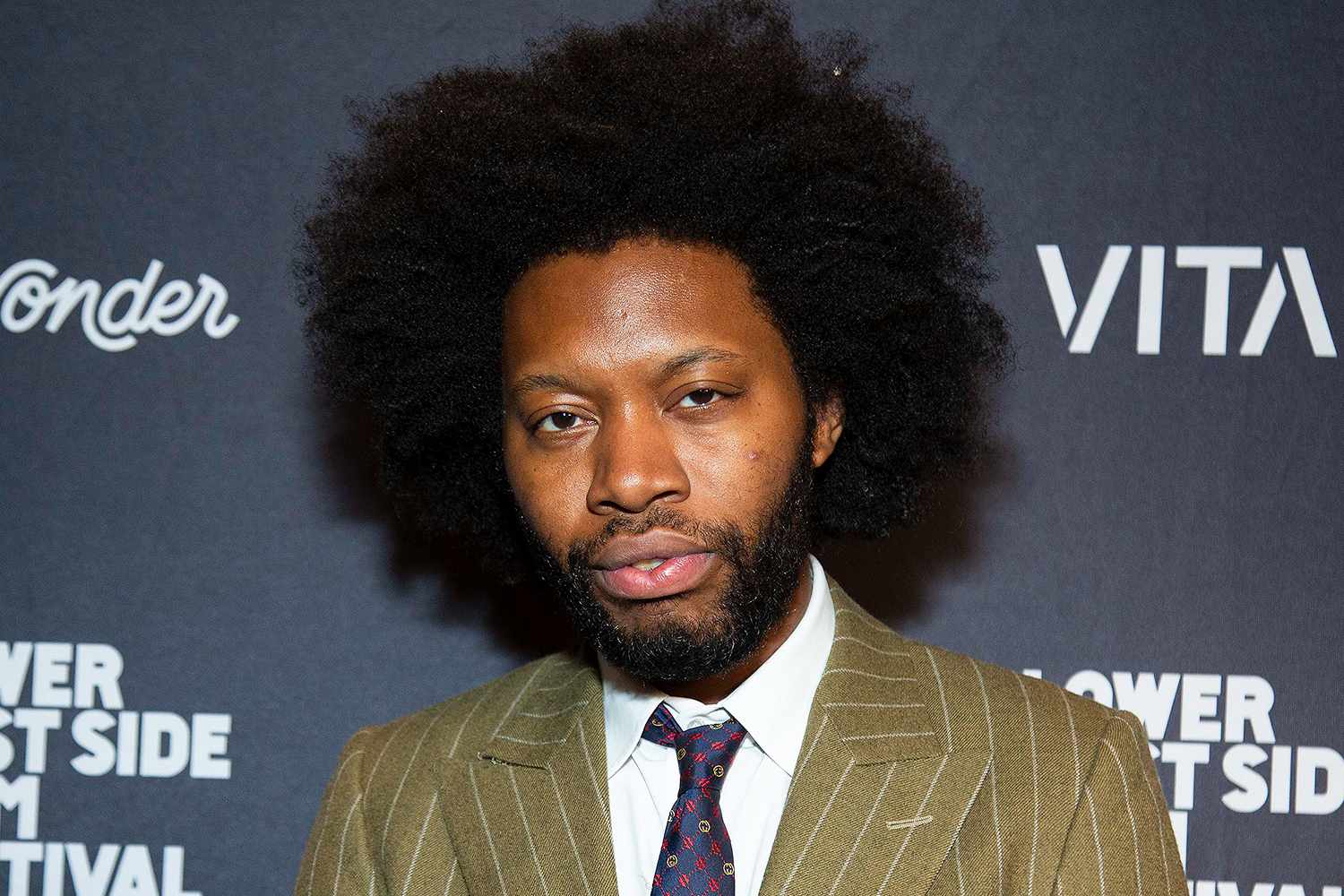
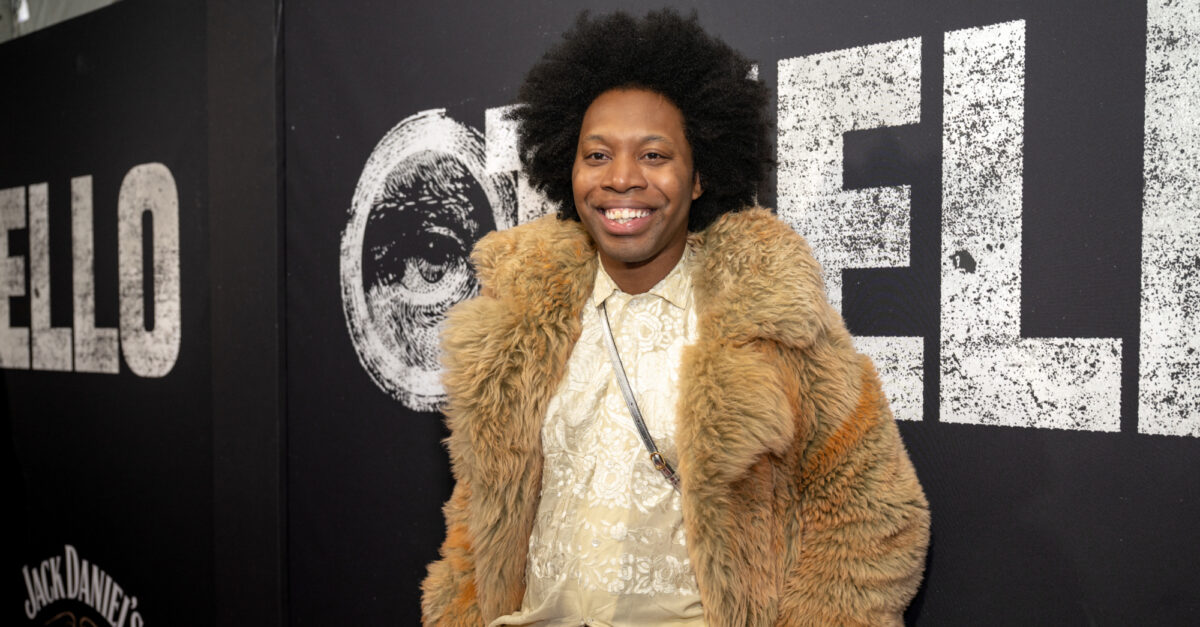
And so it begins. Another Westerner, draped in the perceived invincibility of minor celebrity and artistic license, collides with the granite wall of Japanese jurisprudence. The case of Jeremy O. Harris, the celebrated playwright and sometime actor, is not a tragedy. It is a syllogism. It is a mathematical equation playing out with cold, predictable precision. Because what we are witnessing is the inevitable outcome when a mindset steeped in the Western cult of individualism—where rules are suggestions and personal expression is the highest good—attempts to assert itself in a society built on the absolute primacy of the collective and the unquestionable sanctity of its laws. It’s a simple test. He failed.
The details, as reported, are sparse but sufficient. Harris was detained at Naha Airport in Okinawa on November 16th. The charge: suspicion of drug smuggling. He has been in custody since. For the average American or European reader, this timeline might seem odd, a procedural hiccup. But for anyone with a cursory understanding of Japan’s legal system, this is simply Step One in a long, soul-crushing process designed to produce one thing and one thing only: a confession. Because in Japan, the trial is not where guilt is determined; it is where the pre-determined guilt is formalized. The real battle happens long before a judge is ever seen, in a small, sterile interrogation room where the suspect is systematically isolated and broken down. It is a system of immense psychological pressure, and it is working exactly as intended.
2. Welcome to the 99.9% Club
Let’s talk about a statistic that should chill any defendant to the bone: Japan’s criminal conviction rate is over 99.9%. This is not a typo. It is a statement of purpose. The system is not designed to weigh evidence in a balanced, adversarial contest like the one, however flawed, that exists in the West. No. The Japanese system, derived from the Napoleonic inquisitorial model, is designed to prosecute. The police and prosecutors work hand-in-hand, and by the time an indictment is issued, the case is considered hermetically sealed. An acquittal is seen not as a victory for justice, but as a catastrophic failure of the prosecution, a source of immense professional shame. So they don’t bring cases they can’t win. It’s that simple.
And how do they ensure victory? Through a process colloquially known as “hostage justice” (hitojichi shihō). Suspects can be held for up to 23 days without being formally charged, a period that can be extended with new arrest warrants for slightly different alleged offenses. During this time, access to legal counsel is severely restricted. Interrogations can last for hours on end, without a lawyer present, often involving a tag team of detectives who use a combination of intimidation, feigned sympathy, and exhaustion to extract a confession. Because a confession is the queen of evidence in Japan. It smooths the path, it shows remorse, and it guarantees the system its prized conviction. To resist is to invite a harsher sentence. It is a brutal calculus, and Jeremy O. Harris is now its unwilling student.
3. The Fallacy of Celebrity Privilege
Your Fame Means Nothing Here. Actually, It’s a Liability.
There exists a pervasive Western myth that fame is a global currency, a universal key that unlocks doors and bends rules. Perhaps in some parts of the world, a C-list actor from a popular Netflix show might be able to charm or bribe their way out of a minor infraction. Japan is not one of those places. In fact, Harris’s status as a public figure makes him a more tantalizing target, a perfect subject for a cautionary tale. Making an example of a foreigner, especially a somewhat famous American artist, sends a powerful message both internally and externally: our laws are absolute, and they apply to everyone, regardless of your passport or your IMDb page. There will be no special treatment.
But it’s worse than that. The very persona that likely serves him well in the arts scene of New York or London—the provocateur, the boundary-pusher, the author of *Slave Play*—is a cultural liability in Japan. It reads as arrogance. It suggests a belief that one is above the rigid social and legal codes that govern the nation. The Japanese system values contrition, humility, and submission to authority. A defiant, individualistic posture, even if only perceived, is the surest way to guarantee the harshest possible application of the law. They are not interested in his artistic statement. They are interested in his compliance.
4. An Artist’s Hubris Meets a Nation’s Order
The modern Western artist is often defined by their transgression. They are rewarded for challenging norms, for questioning authority, for living on the perceived edge. It is a romantic, and often profitable, archetype. But this archetype has no corollary in mainstream Japanese culture. The clash is fundamental. What one culture celebrates as brave iconoclasm, another views as dangerous social deviancy. Bringing any illicit substance into Japan is a profound miscalculation, but for someone whose entire professional identity is built on challenging established structures, it feels like a particularly acute case of hubris—a failure to recognize that the stage ends at the border.
Because the Japanese prohibition against drugs is not merely a legal matter; it is a deeply ingrained social and moral one. Following World War II, the country faced a significant methamphetamine crisis, and the national response was severe and absolute. This has created a zero-tolerance cultural memory. Drugs are not seen as a recreational choice or a matter of personal liberty. They are viewed as a corrosive agent that threatens the social fabric, the foundational principle of harmony (wa). To smuggle drugs into Japan is, in their eyes, an act of cultural vandalism. It is an attack on the collective. And the system will respond to that perceived attack with overwhelming and dispassionate force.
5. Okinawa: Not Your Average Tourist Trap
It’s also crucial to analyze the location. Harris wasn’t arrested at Narita Airport in Tokyo. He was arrested in Naha, Okinawa. This is not an insignificant detail. Okinawa has a complex and often fraught relationship with mainland Japan and with the outside world, primarily due to the massive, long-standing presence of the U.S. military. This has created a heightened state of security and a particular sensitivity to infractions by foreigners. The local authorities are perpetually on guard, accustomed to dealing with incidents involving American service members, and they are not inclined to be lenient.
And entering this specific environment with contraband is a strategic blunder of the highest order. It’s walking into a place with a pre-existing tension and handing the authorities a perfect, high-profile opportunity to demonstrate their diligence and their sovereignty. He wasn’t just another tourist; he became a data point in a long and complicated geopolitical story. This wasn’t an encounter with the Japan of anime and cherry blossoms. This was an encounter with the administrative state at one of its most sensitive nerve endings.
6. The Long, Cold Road Ahead
So what happens now? The silence from his camp is telling. He is likely in a detention center, undergoing daily interrogations, permitted only brief, monitored visits with a lawyer and consular staff. His communication with the outside world is almost certainly nonexistent. The prosecutors are building their case, a process that can take months. They will seek an indictment, and they will get it. A trial will be scheduled, which is largely a formality. The real question is not guilt or innocence—that has been decided. The question is the sentence.
Because he is a foreigner with no ties to Japan, he will almost certainly be denied bail. He is considered a flight risk. He will remain in custody until his trial concludes. If convicted of smuggling, the sentence could be severe, potentially involving years of imprisonment in a notoriously harsh penal system, followed by deportation and a lifetime ban from entering the country. The best-case scenario often involves a full confession, a theatrical display of remorse in court, and a suspended sentence, which would still mean a criminal record and immediate deportation. But that ‘best case’ is only achieved through total capitulation to the system’s demands. The time for asserting one’s rights is over. The time for begging for mercy has begun.
7. The Final Calculation: A Career Derailed by a Simple Error
Beyond the personal ordeal lies the professional fallout. Jeremy O. Harris is a brand, carefully curated. *Slave Play* made him a Broadway prodigy. *Emily in Paris* gave him mainstream visibility. This arrest poisons that brand. It introduces a narrative of recklessness and poor judgment that will be difficult to shake, regardless of the outcome. In the hyper-competitive world of theatre and television, this is a self-inflicted wound of catastrophic proportions. Projects may be paused, deals may be scuttled. The taint of an international drug scandal, especially one born of such a seemingly avoidable error, is potent.
And ultimately, that’s the core of this analysis. This wasn’t an act of political defiance. It wasn’t a noble stand against an unjust law. It was, by all appearances, a simple, stupid mistake. It was a failure of due diligence, a moment of profound carelessness that will now have life-altering consequences. He has become a case study, a stark reminder that the world is not a homogenous cultural zone where Western assumptions hold sway. Some walls are real. Some rules are not meant to be broken. And some systems are designed to grind you into dust, and they are very, very good at their job.