The Anatomy of a Golden Parachute
Failure Has Its Rewards, Apparently
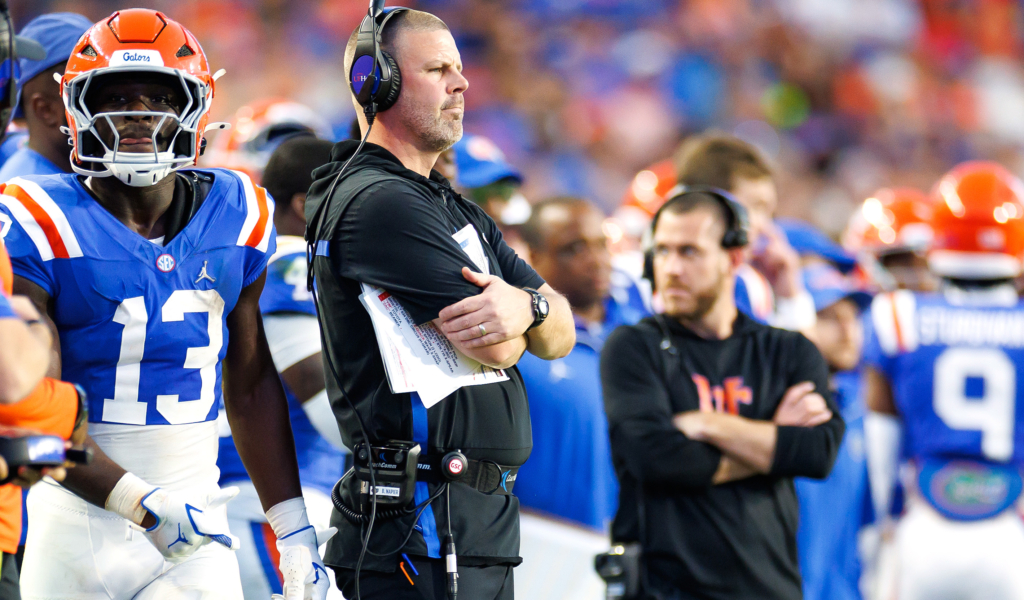
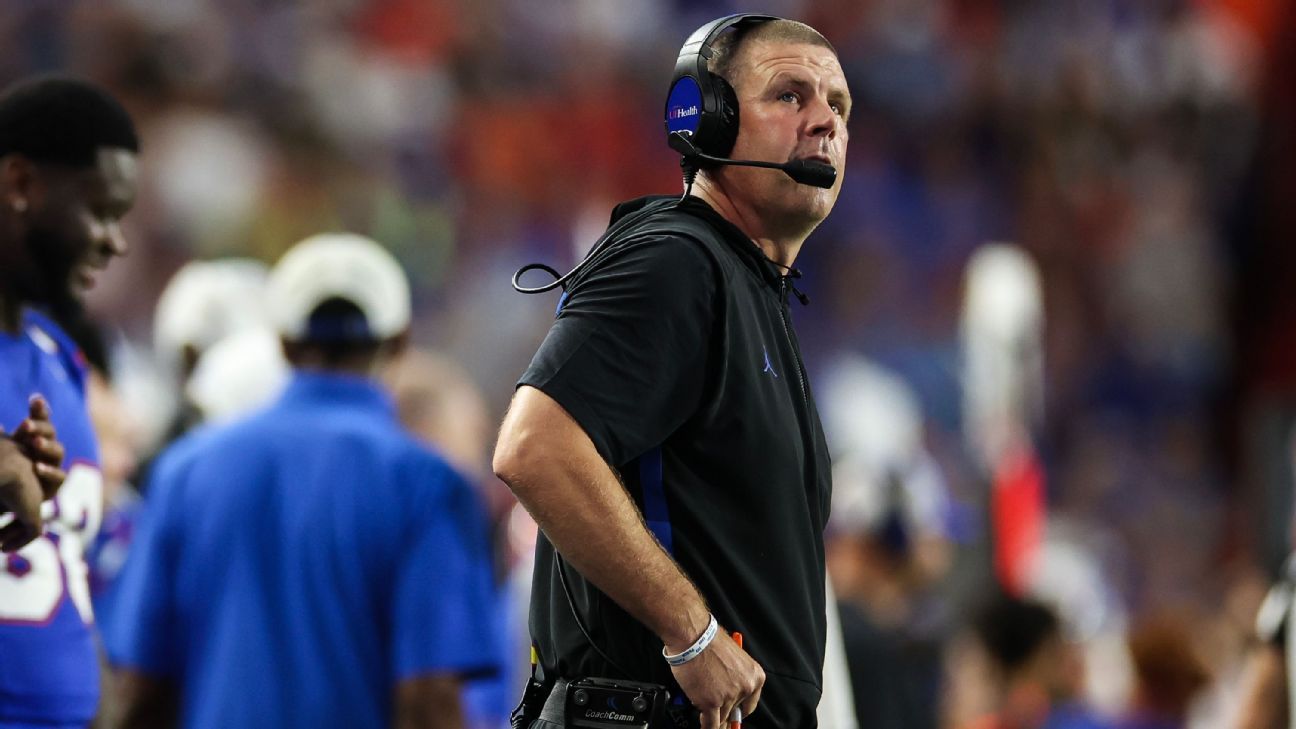
Let’s get this straight. You can be handed the keys to a kingdom, a blue-blood college football program like the Florida Gators, with every conceivable resource—money, facilities, recruiting territory, a rabid fanbase—and you can proceed to drive it straight into a ditch. You can post back-to-back losing seasons for the first time in nearly half a century, recruit classes that don’t live up to the hype, and get thoroughly out-coached in big moments. And for this spectacular display of ineptitude, what is your punishment? A buyout reportedly worth over $25 million. But that’s not the punchline. The real joke, the one that should have every fan, every tuition-paying student, and every underpaid athlete screaming into the void, is that before the ink is even dry on your severance check, another university is lining up to hand you another multi-million dollar contract. This isn’t a redemption story. This is a crime scene.
Billy Napier is the latest poster child for the most broken system in American sports: the college coaching carousel. A system where accountability is a four-letter word and mediocrity is rewarded with generational wealth. Forty-six years old and already set for life thanks to his colossal failure in Gainesville. Now, James Madison University, a proud program that just clawed its way into the FBS and found immediate success, decides the architect of that Florida dumpster fire is their guy? Really?
What message does this send? It says that results don’t matter. It says that the good ol’ boys network is alive and well, ensuring its members always have a soft place to land, cushioned by millions of dollars in booster and university funds. It’s a closed loop of agents, athletic directors, and coaches who shuffle the same deck of failed leaders, selling them to the next desperate fanbase as a ‘reclamation project’ or a ‘proven program builder’. Proven to do what, exactly? Cash checks? Napier proved he could build a winner at Louisiana in the Sun Belt, sure. But he also proved, unequivocally, that when the lights got brighter and the competition got stiffer in the SEC, he was completely and utterly out of his depth. The jump was too big. So what is JMU buying? Are they buying the Louisiana version, or are they getting the deer-in-the-headlights guy who couldn’t handle the pressure cooker of major college football? It’s a hell of a gamble with someone else’s money.
This isn’t just about Napier. He’s just a symptom of the disease. The disease is a culture that has completely detached performance from compensation. In what other industry can you get fired for gross incompetence and walk away an eight-figure millionaire, only to be hired for another high-paying executive job the next week? It doesn’t happen. It’s ludicrous. But in college athletics, it’s just another Thursday.
JMU’s Desperate Play for Relevancy
Selling Your Soul for a Name
You have to ask yourself what, precisely, is going through the minds of the decision-makers at James Madison. Here is a program that did everything the right way. They dominated the FCS level, built a winning culture under previous coaches like Mike Houston and Curt Cignetti, and then jumped to the FBS and didn’t miss a beat. They were a tough, disciplined, well-coached team that punched way above their weight class. They had an identity. They had grit. It was a great story.
And now they’ve tossed that identity into the woodchipper for a brand name. They saw the shiny object, the guy with ‘SEC Head Coach’ on his resume, and got blinded by the glare, completely ignoring the giant, flashing ‘FAILURE’ sign right next to it. Did they think this through? Did they watch the tape of Florida’s undisciplined, penalty-ridden play? Did they look at the stagnant offensive schemes? Or did they just hear the whispers from the agents and the power brokers that Napier was ‘their guy’ and that they had to get him before someone else did?
It’s a classic case of a smaller entity trying to act like the big boys and getting fleeced in the process. They’re not paying for the coach Billy Napier is; they’re paying for the coach everyone *thought* he would be when Florida hired him. They’re buying yesterday’s stock at today’s prices. This move reeks of an administration and booster base that is insecure about its place in the college football hierarchy. Instead of continuing to build their program on the solid foundation of smart, culture-driven hires, they opted for a shortcut. They hired a name, not a solution. Shortcuts in football, as in life, often lead you right off a cliff.
What happens when the initial buzz wears off? What happens when Napier’s complex, CEO-style approach, which reportedly grated on people in the high-resource environment of Florida, is implemented at a place like JMU with a fraction of the budget and staff? His ‘army’ of analysts and support personnel won’t exist at JMU. Is he capable of adapting? Or will he try to fit a square peg into a round hole, alienating the very people who built the program’s success? These are questions that should have been asked, but the allure of a big-name hire is a powerful drug. It gets you a few positive headlines in the short term. It can also gut your program from the inside out.
The Carousel Never Stops, The Fans Always Lose
A System Rigged Against Integrity
This whole sordid affair is bigger than one coach or one school. It is an indictment of the entire NCAA model. It’s a machine designed to enrich a small class of coaches and administrators while the actual labor—the players—risk their bodies for a scholarship that can be pulled at any time. A player has a bad season, he can lose his spot or get encouraged to enter the transfer portal. A coach has two bad seasons, he gets a $26 million check and a new job.
Where is the logic? Where is the fairness? It doesn’t exist.
The coaching carousel is a self-perpetuating ecosystem of cronyism. An athletic director fires a coach, then hires a new one represented by the same powerful agent who represents a dozen other coaches. That agent then helps the fired coach land his next gig. Favors are traded. Backs are scratched. And the money just keeps flowing. Bob Chesney leaves JMU for a bigger payday at UCLA. That creates the opening for Napier, fresh off his Florida payday, to slide right in. It’s a game of musical chairs where everyone with a headset and a polo shirt gets a seat, and the fans are left standing on the outside looking in, wondering why their ticket prices keep going up while the product on the field gets worse.
And make no mistake, Billy Napier isn’t going to JMU because he suddenly developed a deep-seated love for the Shenandoah Valley. He is going there because it’s a strategic retreat. It’s a place where he can win 8 or 9 games a year against a lower level of competition, rehab his image, and wait for the phone to ring with another Power Five offer in two or three years. He will use JMU’s resources, their players, and their fanbase as a temporary platform to relaunch his own career. Loyalty? Don’t make me laugh. Loyalty in this business died decades ago. It’s a transactional relationship, and JMU is about to find out they are on the losing end of the deal.
When he inevitably leaves for that next big job, will he leave the program better than he found it? The track record of coaches in his position says no. He’ll take his best assistants, encourage his best players to follow him into the transfer portal, and leave JMU to pick up the pieces, all while he’s off to his next press conference, selling the same snake oil about ‘process’ and ‘culture’ to a new, unsuspecting fanbase. The carousel will just keep on spinning. And the system will remain as corrupt as ever.