
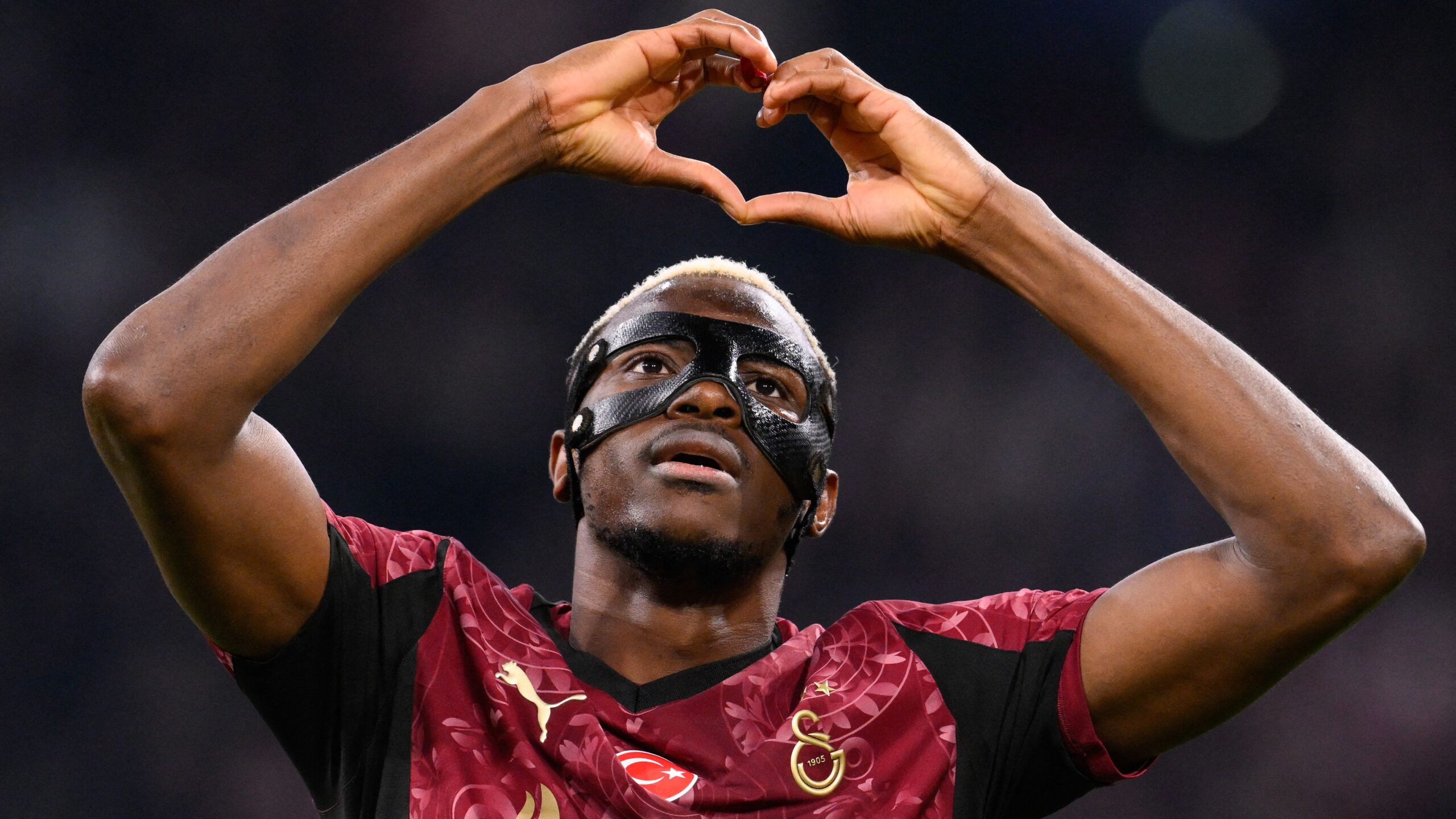
Another Game, Another Lie
So, they want you to read about a football match. Galatasaray versus Samsunspor. They’ll give you the kick-off time, the TV channels, the view from Turkey. Cute. It’s all packaged so neatly, isn’t it? A tidy little product for you to consume between your soul-crushing job and your microwaved dinner. They want you to believe this matters. That this little skirmish in the Turkish Süper Lig is about sport, about passion, about glory. What a pathetic joke.
Let’s tear the wrapping paper off this hollow gift. You’re not watching a sporting contest. You’re watching a symptom. A flashing red light on the dashboard of a machine that’s been rattling towards a cliff for decades. Galatasaray, the “leaders,” the Istanbul giants, dripping with history and, more importantly, with the cash that trickles down from the gilded tables of UEFA. And Samsunspor, the challenger, the team meant to provide a bit of drama before the inevitable conclusion. It’s a script we’ve seen a thousand times, in every league, on every continent. It’s the illusion of competition, a carefully managed theatrical production designed to keep you subscribed, keep you buying the merchandise, and keep you quiet.
Do you really think the outcome was ever in doubt? Seriously? The system isn’t designed for fairy tales. It’s engineered for dynasties. It’s built to ensure the rich get richer and the teams with the biggest stadiums and the most lucrative television deals stay at the top. This isn’t football. It’s a financial report played out by men in shorts. The real game isn’t happening on the pitch; it’s happening in boardrooms in Switzerland, in marketing meetings in New York, and in the air-conditioned skyboxes where oligarchs and sheikhs trade clubs like playing cards. This match is just noise. A distraction.
The Religion They’re Selling You
They talk about the “view from Turkey” as if it’s some exotic, authentic experience. Let me tell you about the real view from Turkey, the view from the terraces, the view from the streets. It’s a view of unbridled, pure, almost terrifying passion. It’s flares that burn with the heat of a thousand suns and chants that shake the foundations of the concrete stadiums. It’s a love for a badge that borders on religious fanaticism, a sacred bond passed down from father to son. And this beautiful, raw, human emotion is the very thing the corporate machine is strip-mining for profit. It’s the oil they’re drilling for.
They take that passion, that loyalty, and they bottle it. They slap a sponsor’s logo on it. They sell it back to you on a pay-per-view channel for $19.99 a month. The Galatasaray fans, some of the most fearsome and dedicated on the planet, think they are part of a tribe, a family fighting for honor. But to the men who run the show, they’re just a demographic. A market share. Their roars are just audio data used to sell ads for gambling websites and crypto scams. It’s a cynical, parasitic relationship. The club needs their passion to fuel the brand, but it couldn’t care less about their souls.
And what about the players? Are they warriors going into battle for the pride of Istanbul? Or are they assets on a balance sheet, their hamstrings and metatarsals insured for millions of dollars? Every goal, every tackle is a negotiation for a bigger contract, a more lucrative sponsorship deal, a stepping stone to a club in England or Spain where the real money is. The badge is just a temporary uniform. Their loyalty is to their agent. This isn’t a condemnation of the players themselves; they are just cogs in this grotesque machine, forced to play the game by the rules the system sets. They have to maximize their value in a short career. Who can blame them? The blame lies with the architecture of the entire rotten structure.
The Global Pyramid Scheme
This isn’t just a Turkish problem. This is the global model. Football has become a pyramid scheme, and leagues like the Süper Lig are stuck in the middle rungs. At the very top, you have the untouchables: the Premier League, a few Spanish giants, Bayern Munich, and Paris Saint-Germain. They are the 1%, fueled by petro-states, American hedge funds, and obscene television deals. They are so wealthy they’ve broken the very concept of competition. They don’t just buy the best players; they hoard them, ensuring no one else can challenge them.
So where does that leave a club like Galatasaray? They are titans in their own pond, but on the European stage, they’re just fodder. They exist to provide a challenging night for Manchester United in the Champions League group stage, a bit of exotic flavor before the “real” tournament starts in the knockout rounds. They are locked out of the top tier by a glass ceiling made of money. They can never, ever win the whole thing again. The system won’t allow it. The financial gap is too vast, an unbridgeable chasm.
This creates a toxic cycle. To even try to compete, clubs like Galatasaray have to spend beyond their means, take on crippling debt, and gamble their future on qualifying for the Champions League money pot. It’s a desperate scramble for scraps from the master’s table. And for every Galatasaray, there are a dozen clubs like Samsunspor, who are even further down the food chain, their role reduced to being a provincial team that the big city giants can beat up on to pad their stats. And below them? Hundreds of smaller clubs starving to death, their history and community ties dissolving into financial ruin. This is the progress we were promised? This is modern football?
The Inevitable, Soulless Future
Don’t you see where this is all going? The men in suits who tried to launch the European Super League a few years ago weren’t defeated. They just retreated to regroup. That wasn’t an attack on football; it was the logical conclusion of this entire philosophy. It’s what they’ve been building towards for thirty years. A closed shop. A private club for the ultra-rich where there is no promotion, no relegation, no risk. Just guaranteed profits, season after season. A soulless, sterile entertainment product for a global audience that has no connection to the cities or the history of the clubs they claim to support.
In that future, a match like Galatasaray vs. Samsunspor won’t even exist. Why would it? It’s not profitable enough. It doesn’t have enough global brand synergy. Samsunspor will wither and die, and Galatasaray will either be invited to be a permanent whipping boy in the Super League or be left behind to rule over a meaningless, impoverished domestic league. They’ll become the Harlem Globetrotters of Turkey, playing exhibition matches against ghost teams. This isn’t a wild prediction. It’s the trajectory we are on. It’s the destination on the ticket they’ve already sold us.
The Last Stand
So what’s the answer? Do we just sit back and watch it all burn? Do we keep paying our subscriptions and buying the new kits made by child labor in Southeast Asia? Do we pretend that any of this still matters? The power doesn’t lie in the boardrooms. It never has. The power lies in the stands, on the terraces, with the people who bleed the colors of their club. The fans. The very people they’ve taken for granted for so long.
The only thing these ghouls understand is money. So stop giving it to them. Stop watching the sterile, predictable Champions League. Stop buying the merchandise of clubs owned by nation-states that violate human rights. Start supporting your local club, the one down the street struggling in the lower divisions. Go to a real game, where you can smell the grass and feel the cold wind and hear the authentic roar of a community, not the piped-in crowd noise of a television broadcast. Reclaim the game.
This match between Galatasaray and Samsunspor is a choice. You can see it as just another 90 minutes of forgettable entertainment. Or you can see it for what it is: a battlefield in a war for the soul of the most popular sport on Earth. A war we are losing badly. A war that requires a rebellion. Because if we don’t fight back, there will be nothing left to save. Just a hollow brand and the ghosts of what used to be the beautiful game.

Photo by senolsengul on Pixabay.