You Can’t Make This Stuff Up: A Comedy of Errors in the Sky
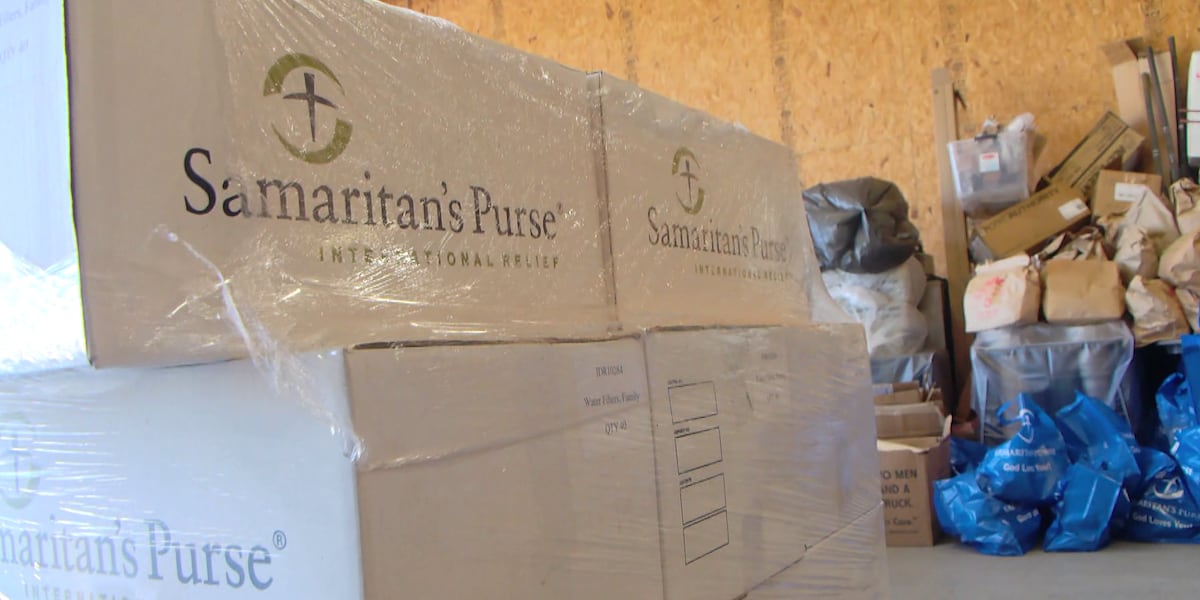
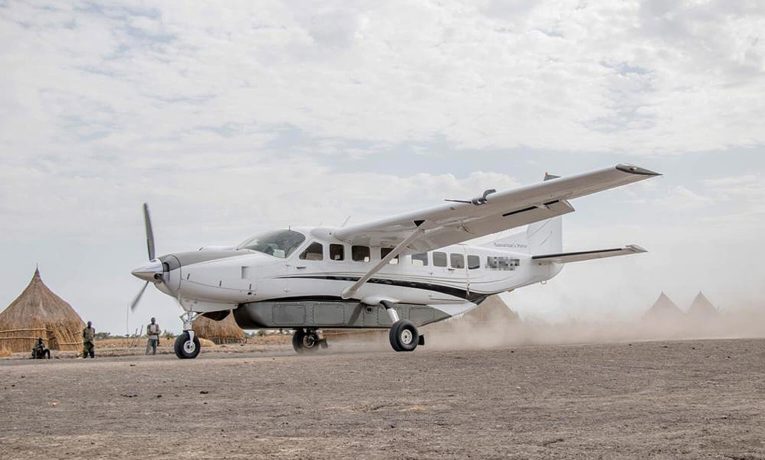
Oh, gather ‘round, children, and hear a tale of shock and awe. A faith-based charity, Samaritan’s Purse, a titan of American evangelical outreach hailing from the placid hills of North Carolina, had its airplane hijacked. In South Sudan. While delivering medicine. Please, take a moment to collect yourselves from the sheer, unadulterated surprise of this development. It’s a real head-scratcher, isn’t it? It’s almost as if sending a flying treasure chest filled with valuable, easily resold pharmaceuticals into one of the most spectacularly chaotic and perpetually collapsing nations on Earth might, just might, carry a modicum of risk.
Who could have possibly predicted this?
Let’s paint the picture. You have a well-funded organization, bless their hearts, operating on the principle of bringing aid and salvation to the world’s most desperate corners. Commendable, truly. On the other side, you have South Sudan, a country that makes Mad Max’s post-apocalyptic wasteland look like a well-regulated Swiss canton. It’s a place where the rule of law is less a respected guideline and more a hilarious suggestion whispered on the wind, a place where a Tuesday is just another opportunity for a new civil war to break out before lunch. And into this magnificent theater of anarchy flies a shiny airplane, a symbol of Western resources, practically screaming “FREE STUFF INSIDE” to anyone with a rusty AK-47 and a dream. What did we honestly think was going to happen? A polite queue for the medicine followed by a heartfelt thank-you note?
The Audacity of Hope, or Just Naivete?
The statements from the nonprofit are, as expected, a masterclass in corporate-speak filtered through a lens of pained piety. They confirmed the incident. They are working to resolve it. The pilot is involved. It’s all very professional, very calm, very… disconnected from the screaming absurdity of the reality on the ground. This isn’t a case of a delayed FedEx package in suburban Ohio; this is a hijacking in a warzone. The hijackers, whoever they are—be it a formal rebel group, a renegade military faction, or just some enterprising local entrepreneurs with a knack for aviation-based acquisitions—are not likely to be swayed by a strongly worded email. They saw an opportunity, a floating Amazon delivery drone for warlords, and they seized it. You almost have to admire the efficiency. No bureaucracy, no paperwork, just direct action to bolster their local supply chain.
This whole episode serves as a brutal, almost comically harsh, reminder of the chasm between intention and reality. Samaritan’s Purse intended to deliver medicine. They wanted to help people. But in the grand, unforgiving calculus of a failed state, their plane and its cargo were simply resources to be claimed. The medicine wasn’t just medicine; it was capital. The plane wasn’t just a vehicle; it was leverage. Is it tragic? Of course. Is it also a perfectly logical outcome given the variables at play? Absolutely. You can’t play chess in a casino where the other players are flipping the table over and shooting at the pieces. It just doesn’t work.
South Sudan: A Masterclass in National Disintegration
To truly appreciate the dark humor of this situation, one must first appreciate the stage upon which this play is set: South Sudan. This isn’t your garden-variety unstable country. Oh no. South Sudan is the valedictorian of failed states, the magnum opus of post-colonial disaster, a nation born in hope in 2011 and speed-running its way to absolute entropy ever since. It’s a land blessed with oil wealth that somehow only makes things worse, fueling endless conflict between political elites who treat the national treasury like their personal piggy bank and the populace like cannon fodder. Famine, ethnic violence, staggering corruption, and a revolving door of warlords are not bugs in the system; they are the system itself.
So, when you hear a plane was hijacked there, asking “who did it?” is almost a silly question. Who *didn’t* do it? Was it the government? A faction of the government? The opposition? A faction of the opposition that splintered off from the main opposition last Tuesday? Was it just a bunch of guys who saw a plane land and thought, “Hey, I’ve always wanted a plane”? In the grand scheme of things, it barely matters. The hijackers are merely a symptom of the disease, a manifestation of the country’s core operating principle: might makes right, and possession is ten-tenths of the law.
The Aid Industry’s Great Gamble
This brings us to the broader, more uncomfortable conversation about the very nature of humanitarian aid in places like this. For decades, the West has poured billions of dollars, countless tons of food, and immeasurable human effort into these black holes of instability. And for what? The cycle is grimly predictable. Aid flows in, a significant portion of it gets “diverted”—a polite euphemism for stolen—by the very warlords and corrupt officials causing the suffering in the first place. This stolen aid then empowers them, allowing them to fund their militias, consolidate their power, and perpetuate the conflict, thereby creating the need for… you guessed it, more aid. It’s a self-licking ice cream cone of misery.
Nonprofits, for all their good intentions, become unwitting players in this grotesque game. They are the delivery service for the local strongmen. They bring in the high-value goods, and the armed groups handle the final-mile distribution, albeit to themselves. So when Samaritan’s Purse loses a plane, it’s not an aberration. It’s a cost of doing business. It’s the price of admission to the world’s most dangerous theater. The real question isn’t why this plane was hijacked; it’s why every single plane that lands there isn’t hijacked. Maybe the hijackers just have a rotating schedule.
So, What Happens Now? More of the Same, Probably
Let’s fast forward. What’s the endgame here? The pilot and any crew will hopefully be recovered, likely after some sort of negotiation that will never be made public but almost certainly involves a payment that will be framed as a “logistical fee” or some other nonsense. The nonprofit will release a statement saying they are “undeterred” in their mission to serve the people of South Sudan. They will talk about faith and resilience. There will be a fundraising drive, leveraging this very incident to show just how dangerous and important their work is, and donors will open their wallets to support the brave folks on the front lines. And then, another plane, loaded with more medicine, will eventually take off and head for another dusty airstrip.
And the cycle will continue. Because to stop would be to admit defeat. To stop would be to admit that some problems may not have a simple, feel-good solution that can be funded by a church bake sale in North Carolina. It would be to acknowledge that the entire framework might be flawed, that perhaps dropping resources into a vortex of violence without addressing the fundamental structure of that violence is like trying to fill a bucket that has no bottom. It’s a noble, Sisyphean task, pushing a boulder of good intentions up a mountain of intractable chaos, only to watch it roll back down and crush you every single time.
The Punchline We All Saw Coming
The dark, cosmic joke of it all is the sheer, unblinking predictability of it. This isn’t a tragedy in the classic sense of a great hero struck down by unforeseen fate. This is a farce. It’s a man repeatedly stepping on the same rake and being genuinely surprised each time it smacks him in the face. The hijackers will probably use the medicine to treat their own fighters or sell it on the black market to buy more guns. Perhaps they’ll even open a competing pharmacy. Who knows? In South Sudan, the possibilities for dystopian absurdity are truly endless. And we, the audience, are left to watch, shake our heads, and marvel at the unwavering human capacity to expect a different result from doing the exact same thing over and over again. Bravo.