

You’re Not Watching a Game, You’re Watching a Balance Sheet
They want you to think this is about sports. About competition. About the sheer athletic poetry of the Portland Trail Blazers trying to claw their way out of a slump against a solid Cleveland Cavaliers team on their home court. It’s a classic narrative, simple and clean, perfect for a Wednesday night broadcast. They give you the records (Portland at 8-13, Cleveland at a respectable 13-9), the point spreads, the injury reports, and the expert analysis, all wrapped up in a neat little package of manufactured drama. It’s a lie. A comfortable, profitable lie.
The Official Story: A Mid-Season Matchup
The narrative being pushed down your throat is that this is a critical moment for both teams. The Cavs, we’re told, are looking to solidify their standing in the East by kicking off a three-game homestand with a decisive win. The Blazers, bless their hearts, are the scrappy underdogs on the back end of a road trip, looking for a spark to ignite a season that’s circling the drain. The team total projections—Blazers 115.3, Cavs 124—are presented as scientific predictions, a reflection of defensive matchups, offensive firepower, and recent performance. It’s all just numbers in a vacuum, a clinical breakdown of a purely athletic contest. Pay attention to the players, the strategy, the final score. That’s all that matters, right?
The Grimy Truth: Follow the Money
Strip away the slick graphics and the breathless commentary, and what is this game, really? It’s a financial transaction disguised as entertainment. A meticulously crafted event designed not to determine a winner, but to maximize revenue streams for a handful of billionaires and their corporate partners (and yes, that includes the massive gambling conglomerates that now have their logos plastered over everything). This isn’t a sport anymore; it’s a content farm for the betting markets. The score is almost secondary to the spread.
The Tanking Farce and the Illusion of Parity
Let’s talk about Portland’s 8-13 record. The official line is that they’re a young team ‘rebuilding’ after trading away their franchise superstar. How convenient. The truth is that the NBA actively incentivizes failure. Losing is profitable. An 8-13 record isn’t a sign of incompetence; it’s a business strategy. It’s a calculated descent into the league’s basement to secure a higher probability in the draft lottery, which is itself a televised spectacle designed to sell hope (and jerseys, and season tickets) to failing markets. The Blazers aren’t trying their hardest to win this game; their front office is likely more concerned with lottery ball combinations than with their defensive rating against the Cavs. They are playing the long game, a game that has nothing to do with what happens on the court tonight and everything to do with protecting the value of their franchise asset. It’s a managed decline, a theatrical performance of struggle for the sake of future financial gain, and the fans who pay for tickets are just the unwitting audience to a rigged play.
The Gambling Gold Rush: Why The Lines Are The Real Story
Why do you think those team totals, 115.3 and 124, are so specific? It’s not about predicting the final score. It’s about setting a market. Those numbers are crafted by oddsmakers with a single goal: to get an equal amount of money wagered on the ‘over’ and the ‘under’. That way, the house—the sportsbook, which is an official partner of the NBA, remember—collects the ‘juice’ (their commission) and can’t lose. The game is the casino’s floor show. The league, which once fought sports betting with moralistic fervor, is now completely in bed with it. They sell their official data streams to betting companies for hundreds of millions of dollars, ensuring the house has the fastest, most accurate information to set those lines. The injury report isn’t for the fans; it’s critical market information for Vegas. Every single aspect of the game, from a player’s mysterious ‘soreness’ (hello, load management) to a last-second, meaningless three-pointer that swings the point total, directly impacts a multi-billion dollar industry that the league itself is now a primary shareholder in. This isn’t a conflict of interest; it’s the entire business model. They are not selling you a sport; they are selling you a thousand different ways to lose your money on a predetermined outcome whose variables they control.
The Load Management Lie and Asset Protection
You’ll hear about players sitting out for ‘load management’, especially on the second night of a back-to-back, which the input data conveniently notes Portland is facing. The official story is that it’s about player health and longevity, a modern sports science approach to a grueling 82-game season. Some of that is true, of course (it has to be, for the lie to stick), but it’s mostly about asset protection. A star player isn’t just an athlete; he’s a nine-figure asset on the team’s books. Playing him in a meaningless December game against a non-conference opponent on a tired night is a bad risk. It’s bad for the franchise’s financial portfolio. But there’s another, more cynical layer. When a star player is suddenly ruled out, what happens? The betting lines shift, dramatically. Fortunes are made and lost in those moments. It creates market volatility, which is fantastic for the gambling industry—it keeps the marks engaged and guessing. The league and the teams control the single most important piece of market information: who is actually playing. They can, and do, use this information to their advantage, all under the perfectly reasonable-sounding guise of ‘player health’. It’s an inside trade hiding in plain sight. They’ve turned sore knees into a market-moving economic indicator. It’s brilliant. It’s corrupt. And it’s the engine driving the entire enterprise. So when you tune in tonight, don’t ask who will win. Ask who stands to profit. The answer is never, ever you.
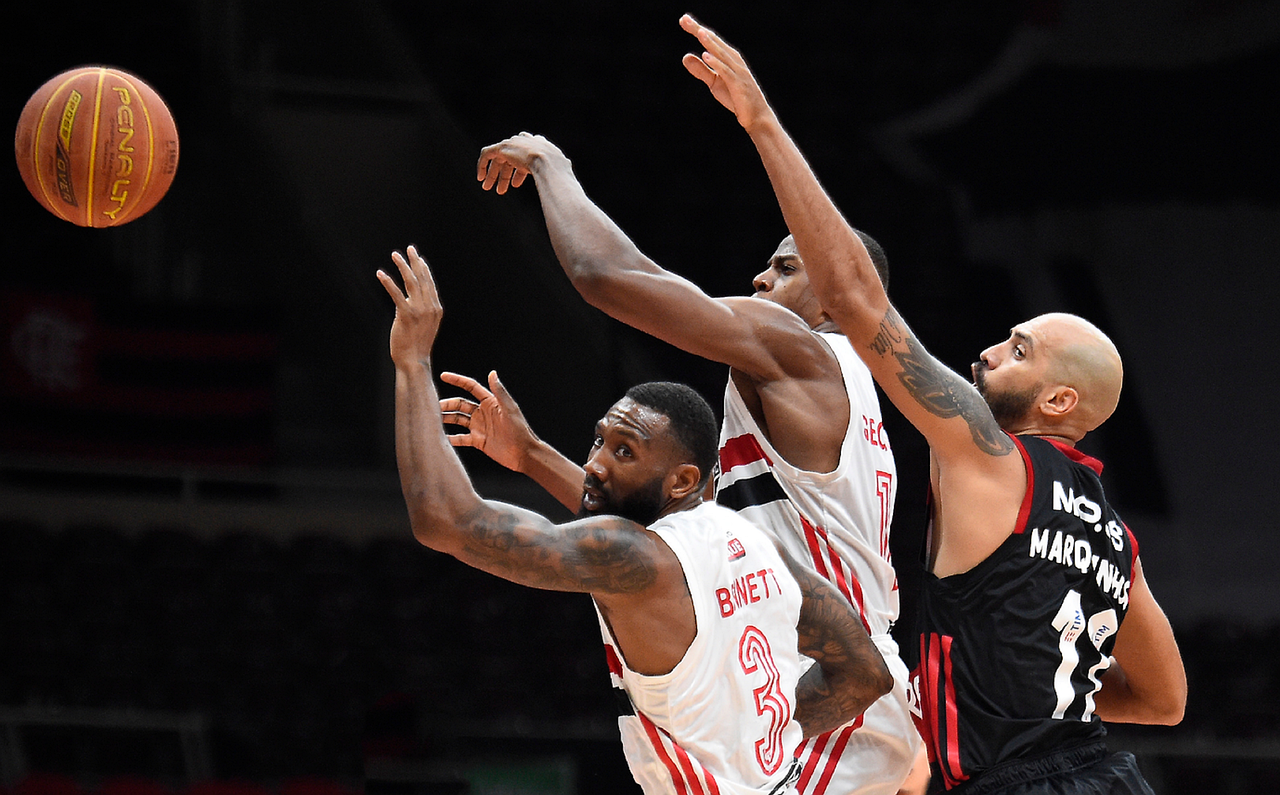
Photo by admomediaoffice on Pixabay.