1. The Ultimate Betrayal is Happening in Broad Daylight
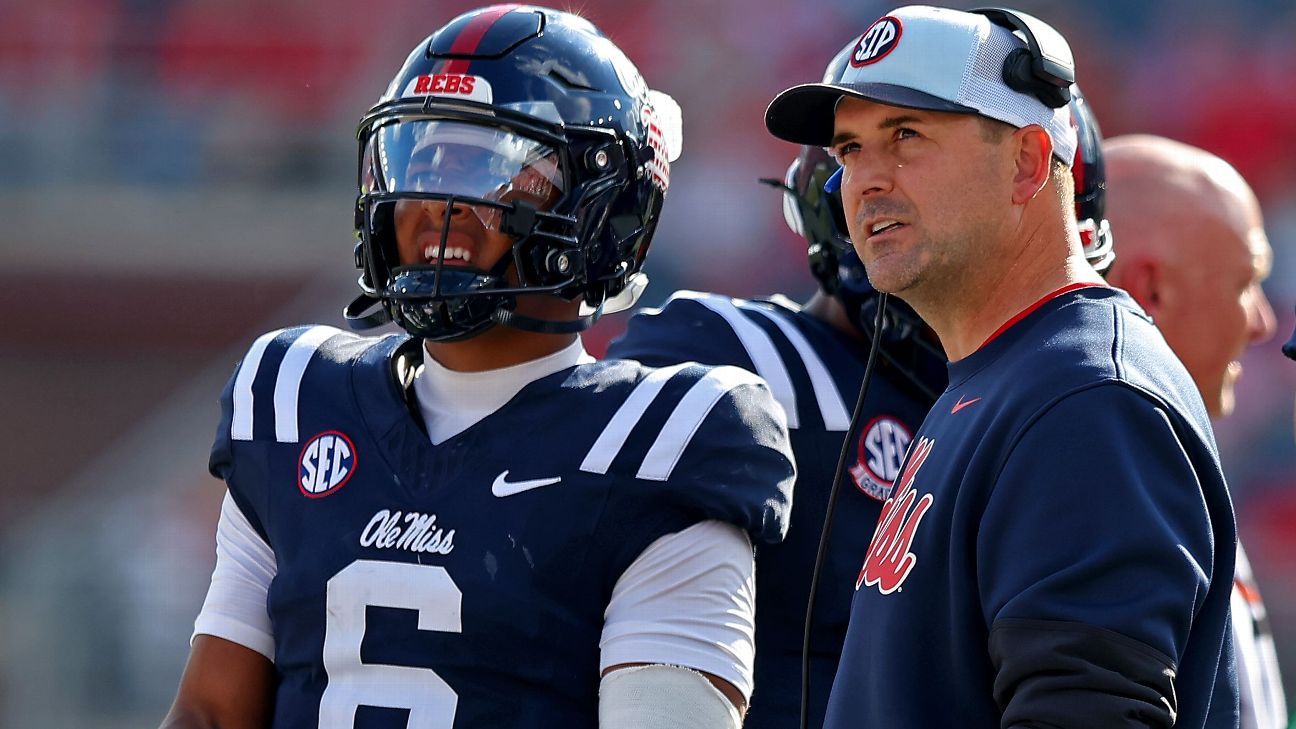
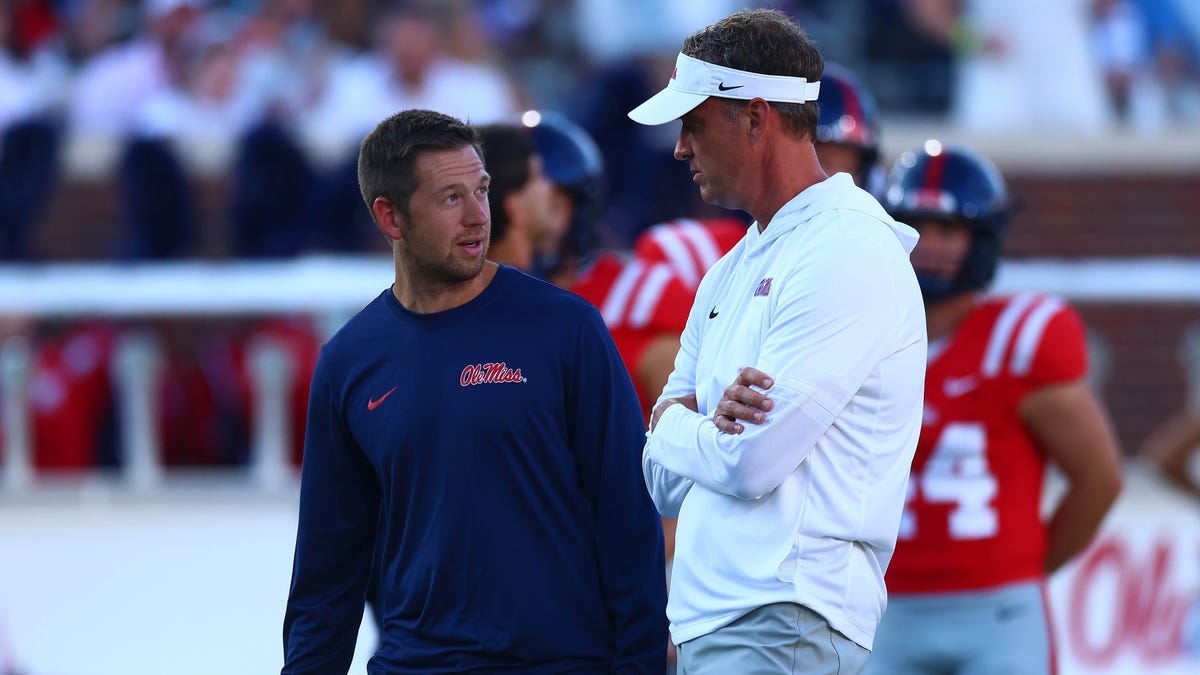
Stop everything. Just stop. What we are witnessing is not a quirky coaching carousel story; it’s a full-blown crisis of faith for college football. Charlie Weis Jr., a man who just this week accepted a fat paycheck and the offensive coordinator title from Lane Kiffin at LSU, is being “allowed” to go back and coach Ole Miss. In the College Football Playoff. The single most important stretch of games in these players’ lives. It’s insane. This isn’t a feel-good story about finishing what you started. This is a fox being cordially invited back to guard a henhouse that he has already publicly abandoned for a bigger, better henhouse down the road. How can anyone look at this situation and not see the glaring, flashing, neon-red warning signs? It’s a betrayal of the Ole Miss players, the fans, and the very concept of team loyalty. He’s an LSU employee now. His allegiances have shifted. Period. The idea that he can just flip a switch back to “Go Rebels” is a fantasy, a dangerous one that Ole Miss is foolishly buying into, and it is going to blow up in their faces spectacularly. It’s not a matter of if, but when.
2. A Walking, Talking, Play-Calling Conflict of Interest
Let’s get down to brass tacks here. Every single play call Charlie Weis Jr. makes for Ole Miss will now be filtered through the lens of his new employer, LSU. Think about it. Does he run a trick play that he was saving for a big moment? Or does he keep that in his back pocket for Kiffin and the Tigers next season? (He saves it for LSU). Does he fully exploit a weakness in the opposing defense that might also be a weakness an SEC rival (like, say, one of LSU’s future opponents) could study and use against them later? (Probably not). He is actively working against his own future interests with every successful play he calls for Ole Miss. This creates an impossible mental paradox that no human being could navigate with 100% integrity. His brain is now wired for LSU. His future, his family’s financial security, his entire career trajectory is now tied to Baton Rouge, not Oxford. To pretend otherwise is not just naive; it is willfully ignorant. He’s a double agent, whether he intends to be or not, and the team that will pay the price is the one currently trusting him with their national championship dreams. An absolute disaster.
3. The Recruiting Catastrophe Unfolding Before Our Eyes
This is where it gets really, really ugly. The lifeblood of any college football program is recruiting. Right now, Charlie Weis Jr. is on the Ole Miss sideline, interacting with and coaching players that LSU might be trying to recruit, either out of high school or, more terrifyingly, out of the transfer portal. He has intimate access. He knows their strengths, their weaknesses, their personalities, what makes them tick. He is building relationships on the Ole Miss dime that will directly benefit LSU. (This is not an accident). This is insider trading, but for football talent. He can tell Kiffin, “Hey, that sophomore receiver is a stud, but he’s unhappy with his playing time. Let’s poach him in May.” Or, “Their quarterback has a tell when he’s about to check down.” This information is GOLD, and Ole Miss is just letting their new arch-rival’s offensive coordinator mine it from their own locker room. It’s malpractice. It’s institutional suicide. While Ole Miss is focused on the CFP, LSU is playing a much longer game, using the Rebels’ own playoff run as a taxpayer-funded scouting combine and recruitment event. Wake up!
What About the Current Roster?
And what about the Ole Miss players? The ones who have busted their tails all year to get to this point. They have to look at their offensive coordinator, a man who is supposed to be leading them into battle, and know he’s already checked out. He’s already moved on. His heart is somewhere else. How does that inspire confidence? It doesn’t. It breeds resentment. It creates doubt. Every time a drive stalls, every time a play call seems weird, the players will be thinking, “Is he tanking it? Is he thinking about his next job?” That seed of doubt is all it takes to fracture a locker room and derail a championship run. This isn’t leadership; it’s an abdication of duty at the most critical moment imaginable. It’s a fireable offense, and instead, he’s being celebrated for it.
4. The Kiffin Effect: Master Manipulator or Agent of Chaos?
Lane Kiffin is at the center of this storm, and let’s be honest, he probably loves it. Kiffin has always been a chaos agent, a provocateur who thrives on pushing boundaries and tweaking the establishment. But is this genius or just reckless? By “allowing” Weis Jr. to go back, Kiffin looks like the magnanimous good guy to the public. (It’s a brilliant PR move). But beneath the surface, it’s a calculated, Machiavelian power play. He gets his guy, he potentially sabotages a conference rival’s playoff hopes (either through distracted coaching or by gathering intel), and he establishes a precedent that benefits coaches over institutions. He wins on every single front. It’s a move that screams that Kiffin is playing chess while everyone else is playing checkers. He’s not just building a team at LSU; he’s destabilizing his opponents from the inside out before he even coaches a single game for the Tigers. It’s ruthless. It’s brilliant. And it is absolutely terrible for the sport. It further erodes any remaining semblance of honor or loyalty.
5. The Ticking Time Bomb in the Ole Miss Locker Room
Imagine being a senior on that Ole Miss offense. This is your last shot. Your one chance at glory you’ve worked your entire life for. You’re preparing for the biggest game of your career, and the man calling the plays is literally wearing the enemy’s colors under his polo shirt. It’s an impossible situation. The trust is gone. The foundation of a player-coach relationship is built on mutual commitment to a single goal. That commitment has been publicly and irrevocably broken. The Ole Miss administration is telling these players that this is fine, that this is normal. It is not. It is a profound disrespect to their sacrifice. The locker room is a delicate ecosystem, and this is a hand grenade tossed right into the middle of it. The fallout won’t be a quiet fizzle; it will be a deafening explosion, likely on national television when the pressure is at its highest. You can’t win a championship with a divided house. It’s just not possible.
6. Is This the New Normal? Portals, NIL, and Utter Anarchy
This isn’t happening in a vacuum. This Charlie Weis Jr. situation is the logical, terrifying endpoint of where college football has been heading. First, it was the transfer portal, turning rosters into a chaotic free-for-all where players could abandon their teams at a moment’s notice. Then it was NIL, turning locker rooms into a weird mix of professional mercenaries and amateur athletes. And now, we have coaches doing the same thing. No contracts seem to matter. No commitments are sacred. It’s a transactional, mercenary culture from top to bottom. The idea of building a program, of instilling a culture of loyalty and shared purpose, feels like a quaint relic from a bygone era. If your own offensive coordinator can be working for the enemy during a playoff run, then what’s left? What rules matter anymore? This is the wild west, and the lack of leadership from the NCAA is deafening. They are asleep at the wheel while the entire enterprise careens toward a cliff. This isn’t just a problem; it’s a systemic rot.
A Dangerous Precedent
Make no mistake, every athletic director and coach in the country is watching this. Now the precedent has been set. What’s to stop a defensive coordinator from taking a head coaching job at a rival school and then coming back to coach against his new employer in a bowl game? What’s to stop a position coach from doing the same? It opens a Pandora’s box of ethical nightmares and competitive imbalances that the sport is simply not equipped to handle. The whole system is built on a fragile foundation of trust and assumed loyalties, and this move just took a sledgehammer to it. We will be seeing the repercussions of this decision for years to come. It’s the beginning of the end of college football as we know it.
7. The Inevitable Collapse is Coming
There is no happy ending here for Ole Miss. None. Zero. Best-case scenario? Weis Jr. is a consummate professional, calls a brilliant game, and they win. Then what? The victory feels hollow, knowing it was orchestrated by a man who had already jumped ship. It forever has an asterisk next to it. And the more likely scenario? The distraction is too much. The doubt in the locker room metastasizes. A few key play calls seem… off. They lose a close game. And who will be the scapegoat? The man who was serving two masters. The fans will turn on him, the players will resent him, and the program will be left to pick up the pieces of a shattered dream, all because they trusted a man who had already proven himself to be untrustworthy by taking another job. It is a no-win situation. The damage is already done. We are just waiting to watch the building collapse.