1. This Is Not a Game, It’s a Six-Point Sentence to Hell
Let’s be perfectly, terrifyingly clear. This isn’t just another match on the calendar. This is a klaxon horn in the dead of night. Because when Rayo Vallecano and Valencia step onto that pitch, they aren’t playing for three points; they are clawing at the cliff’s edge to avoid a freefall into the abyss of relegation, a chasm from which many clubs never truly return. Forget the niceties and the pre-game handshakes. This is a bare-knuckle brawl for survival, a six-pointer where the outcome will echo through the boardrooms, the locker rooms, and the very soul of these two clubs for years to come. And the stakes couldn’t possibly be higher. A win is a gasp of air for a drowning man. But a loss? A loss is an anchor tied to their feet, pulling them down faster and faster into the cold, dark depths of the Segunda División, a place where ambition dies and financial ruin becomes an almost certainty.
This is it. It’s happening.
2. The Vallecas Pressure Cooker is Set to Explode
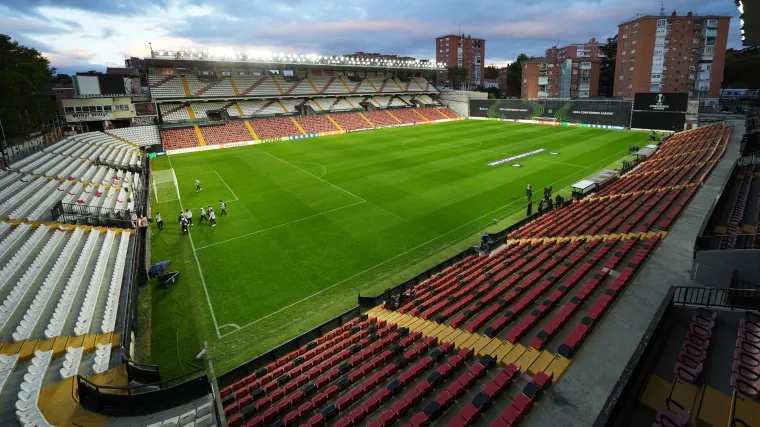
And you think these players can handle it? Think again. The Campo de Fútbol de Vallecas is not a serene cathedral of football; it’s a claustrophobic, deafening pit where the fans are right on top of you, their desperation and anxiety becoming a physical weight on the players’ shoulders. Every misplaced pass, every missed tackle will be met with a collective groan that sounds like the sky falling. Every moment of hesitation will be scrutinized by thousands of terrified eyes. But this isn’t just about the fans. The pressure is internal, a corrosive acid eating away at confidence. Rayo hasn’t won in three games. Three games. In the normal world, that’s a slump. But in the desperate reality of a relegation battle, it’s a death spiral. Each draw feels like a loss, and each loss feels like a nail in the coffin. The players know it, the coach knows it, and the fear is palpable. You can’t just play football under these conditions; you have to perform surgery with trembling hands while the building collapses around you.
3. Valencia’s Identity Crisis is Now Terminal
But if you think Rayo is in trouble, just look at Valencia. This isn’t some plucky underdog fighting for its life; this is a fallen giant, a former champion, now wandering the wilderness of mediocrity and staring its own mortality in the face. What is Valencia C.F. anymore? They are a ghost ship, haunted by the memories of past glories while the current crew frantically bails water with thimbles. Their season is a chaotic mess of inconsistency, a team that can show flashes of brilliance one week only to completely implode the next. And that inconsistency is a symptom of a much deeper disease: a total lack of identity. Who are they? Are they a possession team? A counter-attacking team? They don’t seem to know, and that confusion is deadly at this level of the sport. Because when the pressure mounts, when the whistle blows in Vallecas, you fall back on your identity, your core beliefs as a team. Valencia has nothing to fall back on but fear.
The Rot Starts at the Top
And let’s not pretend this is just about the players on the pitch. The instability that has plagued Valencia’s ownership and management for years has finally trickled down and poisoned the roots of the club. You cannot expect players to fight with coherence and unity when the entire structure above them is built on shifting sand. This is the inevitable result. A once-proud institution brought to its knees, fighting for scraps in a back-alley brawl against a team like Rayo. It’s a tragedy. A horrifying, slow-motion tragedy.
4. The Iñigo Pérez Distraction is a Massive Red Flag
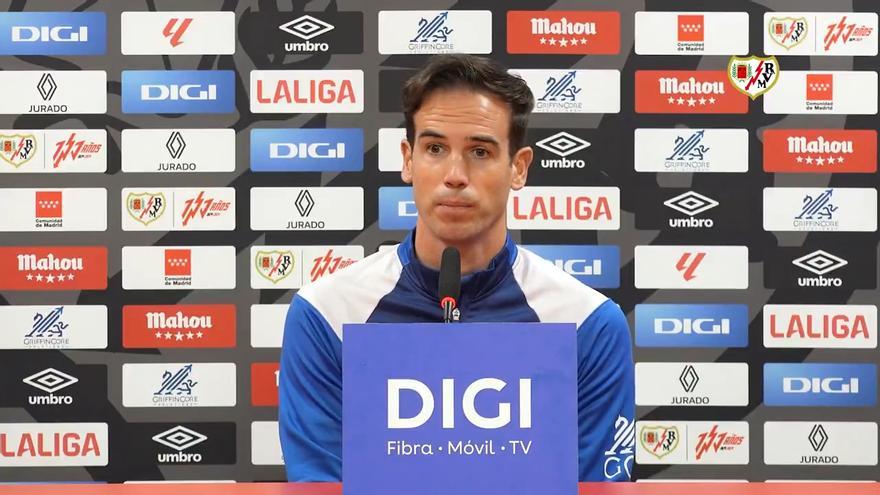
Is anyone else seeing this? Is anyone paying attention? Your club is in a nosedive, you’re winless in three, and you’re heading into the most important match of your season so far, and what is your manager, Iñigo Pérez, doing? He’s out here giving interviews, publicly fawning over another coach. “Es uno de los mejores entrenadores de LaLiga,” he says about Corberán. Seriously? This is not the time for professional admiration societies. This is the time for single-minded, obsessive focus on the immediate, existential threat in front of you. It screams of a man whose focus is fractured, a manager who might be looking for his next job or simply isn’t grasping the sheer gravity of the situation. While his house is on fire, he’s admiring the architecture next door. It’s a terrifyingly bad look. It suggests a lack of urgency, a calmness that is completely at odds with the five-alarm fire his team is currently in. The fans should be absolutely panicked by this. Your captain should be steering the ship through the storm, not complimenting other captains on their navigation skills.
5. The Twisted Psychology of Fran Pérez vs. His Old Club
Oh, and the universe just had to add another layer of psychological torment to this whole nightmare. Fran Pérez, facing his old club, Valencia. The headlines write themselves, but the reality is so much more fraught with peril. The club says he’ll be filled with “ilusión”—excitement. But what a dangerously simplistic way to look at it. This isn’t a happy reunion. This is a kid being forced to choose a side in a brutal family feud. Will he be the hero who saves his new family by burying his old one? Or will the emotional weight of it all—the memories, the old teammates, the history—be too much? Will he crumble under the pressure? It’s an impossible situation. One misplaced touch and he’s the goat. One goal and he’s the traitor who hammered the nail into his former club’s coffin. There is no clean outcome here. It’s a psychological minefield, and it’s just one more unstable element thrown into an already volatile chemical reaction. Someone is going to get hurt.
6. The Financial Guillotine is Poised to Drop
Because let’s cut through the romanticism of sport. Relegation isn’t just a sporting failure; it’s a corporate death sentence. The financial drop-off from La Liga to the Segunda División is not a step down, it’s a fall from a skyscraper. We’re talking about a catastrophic loss of television revenue, the evaporation of major sponsorships, and a fire sale of your most valuable players for pennies on the dollar. It’s financial ruin. And both of these clubs are already on precarious footing. This isn’t Real Madrid or Barcelona, who could probably withstand the financial hit. For clubs like Rayo and Valencia, relegation means gutting the squad, slashing budgets, and potentially entering a death spiral of financial instability that could take a decade or more to recover from, if they ever recover at all. Every player on that pitch is fighting for their next contract, for the club’s employees, for the very existence of their institution as they know it. The pressure is immense. It’s unbearable.
7. There Is No Coming Back from This
And here is the darkest truth of all. This isn’t just about one season. The psychological scars of a match like this, of a season-long relegation battle, don’t just fade away with the summer break. They linger. They infect the culture of a club. A loss on Monday won’t just be a loss of three points; it will be a crushing blow to morale that could shatter an already fragile locker room. It can create a culture of losing, an acceptance of failure that becomes the new normal. For the loser of this match, the path forward becomes exponentially harder. The media pressure intensifies. The fan anger boils over. The players’ self-belief evaporates. This isn’t a turning point; it’s a breaking point. One of these teams is about to be fundamentally broken on Monday, and watching it happen will be like watching a building get demolished. It’s violent, it’s final, and all that will be left is dust and rubble.