1. It’s Over. The White Flag Has Been Raised Over Broadway.
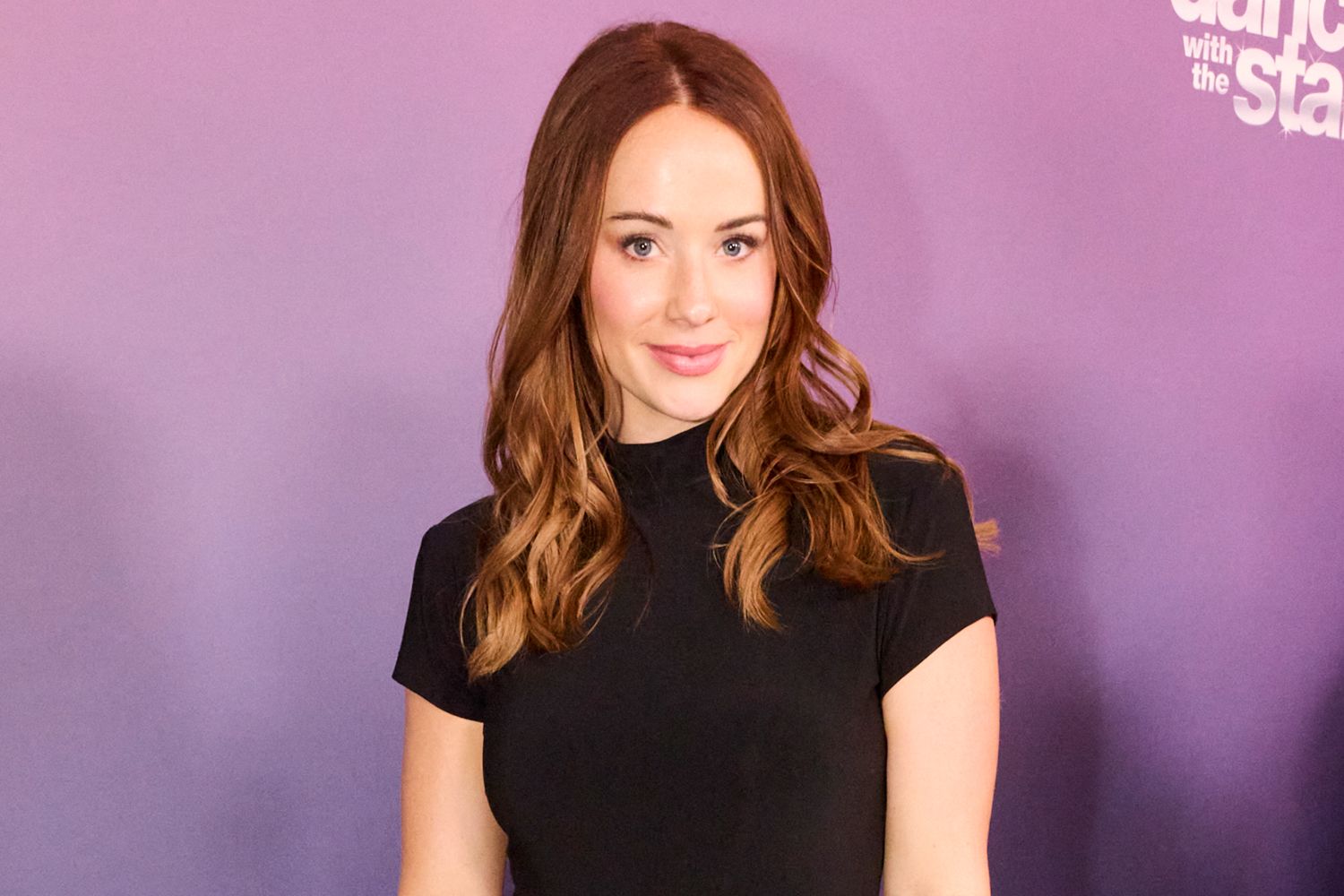
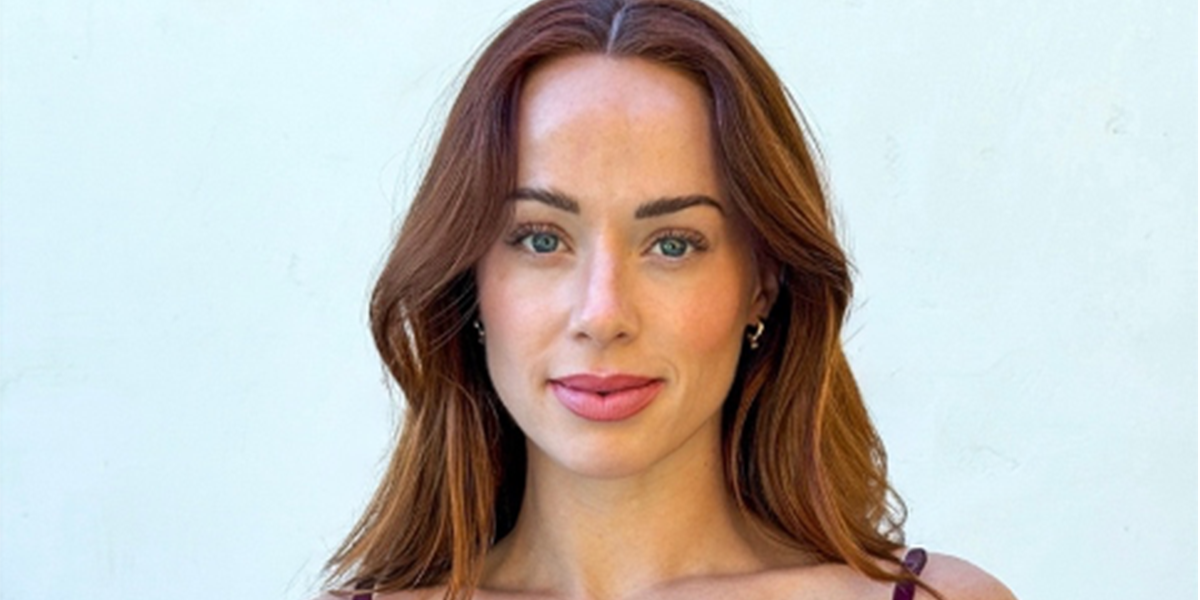
This is it. This is the moment the history books, if anyone is still bothering to write them, will point to as the official time of death. The casting of Whitney Leavitt, a personality known for a Mormon reality show and a brief stint on a dancing competition, as Roxie Hart in Chicago isn’t just another questionable celebrity booking; it is a full-throated scream of absolute, unadulterated desperation from the heart of American theater. It’s a surrender. The Great White Way has officially given up the ghost and decided to become a live-action TikTok feed to pay the bills. Can you hear that sound? It’s the sound of a thousand Juilliard graduates weeping into their ramen noodles. It is the sound of an art form giving up.
We are no longer pretending that talent, training, or the grueling dedication to craft matters in the slightest. Why would it? Why would anyone spend a decade honing their voice, their movement, their acting, when they can just get a massive social media following for dancing in their kitchen and land one of the most iconic roles ever written? This move tells every aspiring performer that their path is a joke. Your dedication is worthless. Your student debt is a punchline. The real path to success is reality television. This is the new American dream, and it’s a nightmare.
2. Who Even ARE These People? The Influencer Invasion is Here.
Let’s be brutally honest for a moment. Who is Whitney Leavitt to the theater community? Who is she to the legacy of Gwen Verdon, Ann Reinking, or Bebe Neuwirth? The answer is simple: she’s a nobody. A complete unknown in this space. Her credentials are not a string of Off-Broadway hits or a history of powerful stage performances. Her credentials are follower counts and screen time on a Hulu reality series titled The Secret Lives of Mormon Wives. Is this what qualifies someone to lead a multi-million dollar Broadway production now? Are we just pulling names from whatever is trending on streaming services this week?
This isn’t an attack on her personally; it’s an attack on a system that is so broken, so creatively bankrupt, that it sees this as a viable solution to its problems. The producers are looking at a spreadsheet, not a script. They see a person with a built-in audience and think they can just port those followers over into theater seats. It’s a shocking, horrifying miscalculation. Do they truly believe that someone who passively watches a reality show on their couch is going to spend $200 on a ticket, book a flight to New York City, and sit in the Ambassador Theatre for two and a half hours? It’s a fantasy. A dangerous one.
3. The Ultimate Slap in the Face to Trained Professionals
Think about the actors. The real ones. The women who have dedicated their entire lives to becoming Roxie Hart. The ones who have played the role in touring companies, in regional theater, the understudies who have saved the show countless times with no recognition. They are all being told, in no uncertain terms, that they are not good enough. Their talent is not enough. Their dedication is not enough. They are being pushed aside for someone whose primary skill is being famous for being famous. What message does this send? It sends a message of utter contempt for the profession itself.
This is the kind of decision that creates a tidal wave of cynicism that could drown the entire industry. Young artists will look at this and wonder why they should even bother. Why go to drama school? Why spend years in vocal coaching? Why work three jobs to afford dance classes? The system has made it clear that none of that matters as much as a blue checkmark next to your name on Instagram. It’s a gut punch. A betrayal of the highest order to the very people who are the lifeblood of this art form. They are the foundation, and the producers are setting fire to it for a quick hit of publicity.
4. Chicago: The Patient Zero of Stunt Casting
We have to talk about the show itself. Chicago has, for years, been the go-to production for celebrity stunt casting. Pamela Anderson, Wendy Williams, various Real Housewives—they’ve all done their time. But this feels different. It feels worse. In the past, the stunt casting often involved celebrities who were at least household names, people with a massive, undeniable public profile that could, in theory, generate a different kind of buzz. It was a gimmick, but it was a gimmick on a grand scale. This is not that.
This is something new and terrifying.
This is the move from a broad-based celebrity appeal to a hyper-specific, niche influencer appeal. It’s a sign that the barrel is being scraped. They are no longer looking for stars; they are looking for online personalities with “engagement.” The show, a sharp, cynical, brilliant satire on the nature of fame and corruption, is being hollowed out and turned into the very thing it’s supposed to be mocking. The irony is so thick it’s suffocating. Roxie Hart, a woman who would do anything for fame, is now being played by people who achieved fame in the very vacuous, empty way the musical critiques. The show is eating itself alive. Is anyone even paying attention anymore?
5. The Rotten Economics of a Dying Art Form
Why is this happening? You don’t need a Ph.D. in economics to figure it out. It’s panic. Pure, unadulterated financial terror. Post-pandemic Broadway is a bloodbath. Tourist numbers are shaky, production costs are skyrocketing, and audiences are more selective than ever. Producers are terrified of losing their investments. So what do they do? They abandon risk. They abandon art. They reach for the lowest common denominator, the cheapest marketing trick in the book: stunt casting.
It’s a short-term fix for a long-term disease. Maybe, just maybe, they’ll see a small, temporary bump in ticket sales from a sliver of Leavitt’s curious followers. But what is the cost? The cost is the brand. The cost is the reputation. The cost is the very idea of Broadway as a place of excellence. Each time they pull a stunt like this, they cheapen the product. They tell the world that Broadway is no longer about quality; it’s about spectacle and celebrity gossip. Eventually, the dedicated theatergoers, the people who kept the lights on for decades, will get tired of it and walk away. And then what? What happens when the influencers move on to the next trend and the loyal audience is gone for good? It’s a death spiral.
6. The Great ‘Follower’ Delusion
The entire premise of this decision rests on a foundational delusion: the idea that online followers translate directly into ticket buyers. It’s a fundamentally flawed understanding of how modern fandom works. A “like” is free. A “follow” takes one second. A Broadway ticket costs a small fortune and requires significant planning for anyone living outside of New York City.
The audience for a reality show about Mormon mothers and the audience for a Kander and Ebb musical are, to put it mildly, not the same. It’s a Venn diagram with almost no overlap. These producers are chasing a phantom audience that doesn’t exist, all while alienating the core audience that does. It’s marketing malpractice. It shows a fundamental disconnect between the people running these shows and the culture they are trying to sell to. They are chasing clicks, not creating art, and they are going to find out the hard way that you can’t pay the rent with Instagram impressions.
7. What’s Next? The Slippery Slope is a Vertical Drop.
So, we have to ask the terrifying question: what’s next? If a TikTok star can be Roxie Hart, where does this end? Are we prepared for Logan Paul as the Phantom of the Opera? Is MrBeast going to be the next Alexander Hamilton? Will a Twitch streamer be cast as Blanche DuBois? Don’t laugh. Why not? The precedent is being set right now, in real-time. The floodgates are open, and all the standards are being washed away in the deluge.
We are witnessing the complete erosion of artistic integrity in favor of a desperate, pathetic grab for relevance in an online world that couldn’t care less about theater. Broadway is trying to be “cool” and “current” by latching onto the most disposable, fleeting aspects of pop culture. It’s like watching your grandpa try to do a TikTok dance. It’s not just embarrassing; it’s deeply, profoundly sad. The future isn’t just bleak; it’s a cultural wasteland where the only thing that matters is how many followers you have. This isn’t a warning. It’s a diagnosis of a terminal illness.