They Finally Did It. They Cut The Cord.
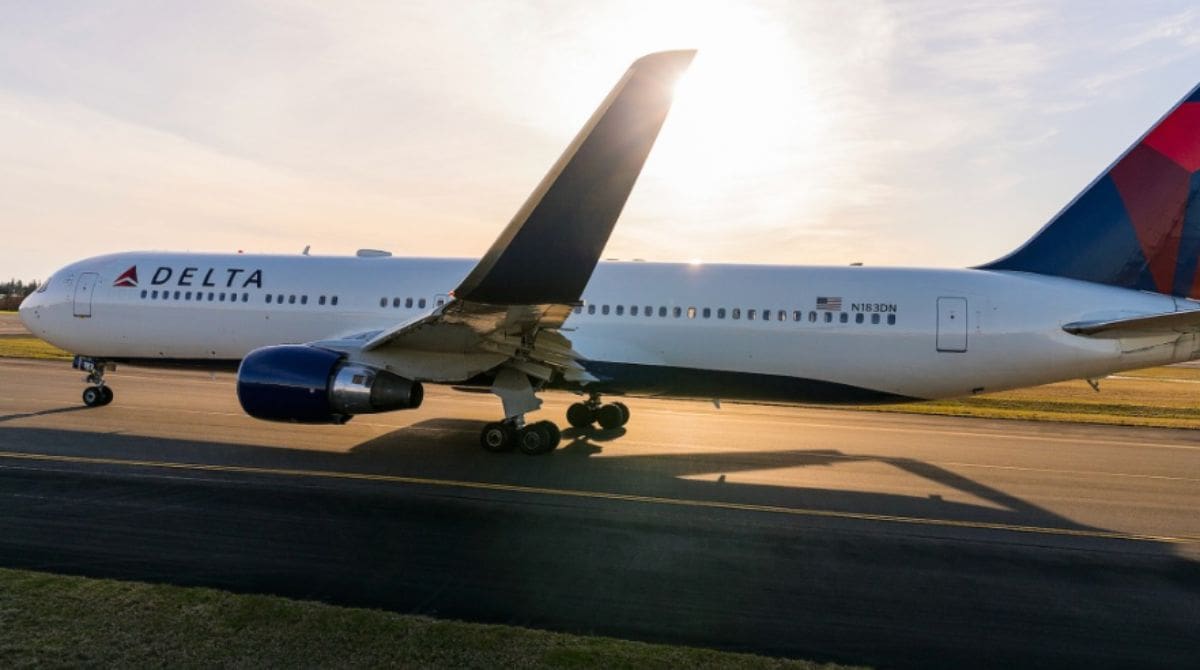
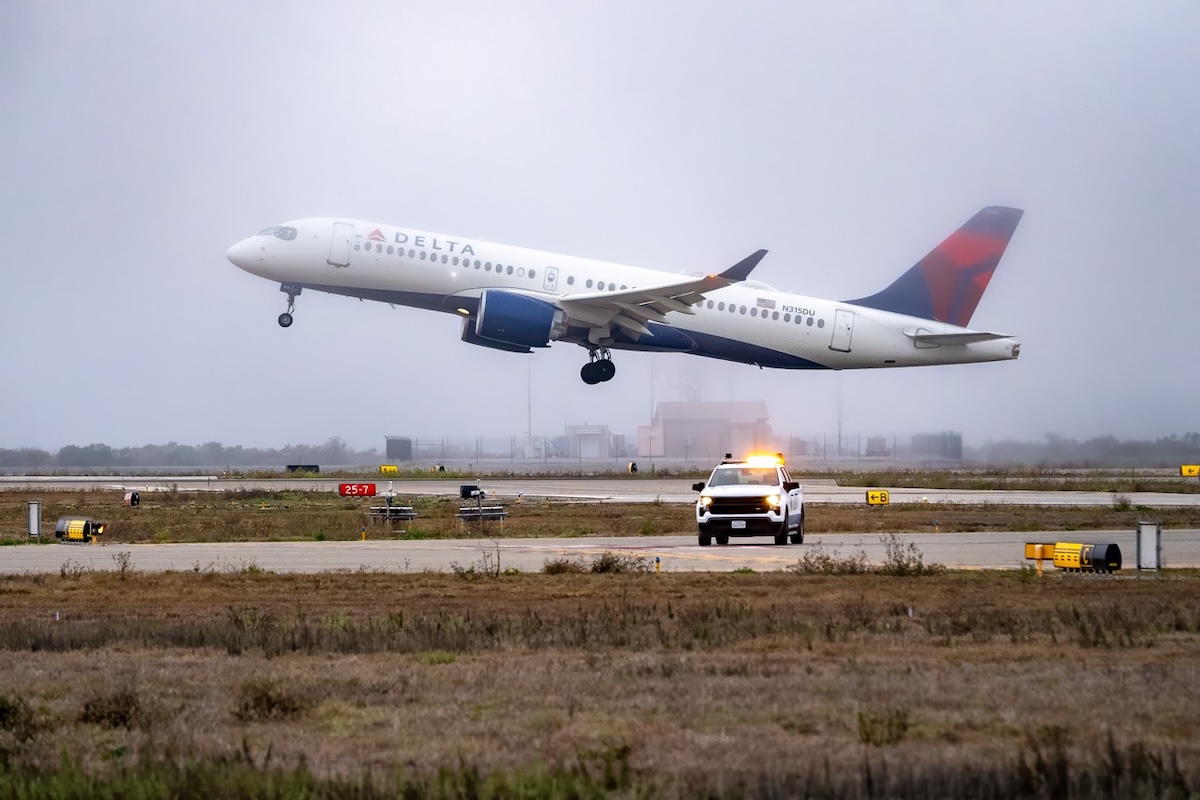
Let’s not mince words or swallow the lukewarm corporate PR memo they undoubtedly sent out to some poor, underpaid communications intern. Delta Air Lines just took a knife to the economic and logistical lifeline of Santa Barbara, severing its longest direct flight to the massive hub of Atlanta, and the official statement is, as always, a masterclass in saying absolutely nothing while hoping you’re too busy or too stupid to notice the blood on the floor. It’s a “network adjustment.” A “strategic realignment.” It’s utter garbage. This isn’t a spreadsheet decision made in a sterile boardroom hundreds of miles away by people who probably couldn’t find Santa Barbara on a map without their assistant’s help; this is a deliberate act of economic violence against a community that trusted them. A community that bought their overpriced tickets and endured their shrinking legroom. For what? For this betrayal.
They’re pulling out January 20, 2026. Mark that date. It’s not just the end of a convenient flight path; it’s the day a corporate giant officially told a thriving American city that it is no longer worth their time unless it can squeeze every last drop of profit from its bones. This was the one-shot flight to the East Coast, the artery that connected Southern California’s central coast to the rest of the country and the world without the soul-crushing, traffic-choked nightmare of driving to LAX. It was for business people trying to close deals, for families trying to see their relatives, for students going to and from colleges across the nation. It was a symbol of connectivity, of being part of the national conversation. Now? It’s just another casualty in the endless, ravenous pursuit of shareholder value, a concept so detached from human reality it might as well be a religion for the morally bankrupt.
The Smiling Assassins in the C-Suite
You have to wonder what that meeting looked like. Some VP of Network Planning, probably a guy named Chad who wears a fleece vest over his dress shirt even when it’s 75 degrees inside, pulls up a PowerPoint slide. On it, there’s a graph. The SBA-ATL route is probably a nice, solid green line, indicating consistent profitability. But next to it, the potential line for, say, a new route from Atlanta to some burgeoning tech hub or a third daily flight to London, is a slightly thicker, slightly juicier shade of green. And in that moment, Santa Barbara ceases to be a place with people, dreams, and businesses. It becomes a number. An underperforming asset. A resource to be reallocated. It’s the cold, dead-eyed calculus of modern capitalism, a system that we’re constantly told is efficient and innovative but which, in practice, operates like a slow-moving python, crushing the life out of anything that doesn’t offer maximum return. Instantly. They don’t care about loyalty. They don’t care about the community they’re gutting. They care about that fraction of a percentage point increase on their quarterly earnings report. That’s it. Full stop.
And don’t let them feed you the lie about operational constraints or pilot shortages or any other pre-packaged excuse they pull from their crisis communications playbook. If this route was losing money, it would have been cut years ago. No, it was making them money, just not *enough* money. Not as much money as some other hypothetical route could make them. This is the tyranny of optimization, where “good enough” is the enemy of “obscene profit.” It’s a fundamental betrayal of the social contract that we once pretended these massive corporations had with the country that allows them to exist, to use our public airspace, our airports, our infrastructure. They take and they take, and when they’re done, they leave. (Just ask anyone in a former factory town). This is the exact same story, just with wings. They are abandoning a community not because of failure, but because of a lust for even greater success, a success measured in dollars, not in human connection or economic stability. It’s a disgrace.
The Great Unplugging of America
This isn’t just about a beautiful, wealthy (and yes, let’s be honest, often-mocked) California town losing a flight. That’s the myopic view. The real story, the one that should be screaming from the headlines, is that this is a test case. It’s a canary in the coal mine for every other small to mid-sized city in America. The message from the airline oligopoly—Delta, American, United, the whole cartel—is crystal clear: if you are not a Top 10 market, you are disposable. Your access to the national air transportation system is not a right, it is a privilege that can and will be revoked the second they can make five extra dollars flying that plane somewhere else. This is the beginning of the great unplugging, where the map of America is redrawn not by roads and railways, but by the flight paths dictated by a handful of corporate boards who have zero allegiance to the nation or its people.
Think of the implications. Businesses in Santa Barbara that rely on quick access to the East Coast are now at a significant disadvantage. Do they relocate? Do they scale back? How many jobs will that cost? What about the tourism industry, the lifeblood of that region? A nonstop flight from a hub like Atlanta is a firehose of tourists and their money. Now, that firehose is being turned off, replaced by the trickle of connecting flights and the hassle that will convince many travelers to just go somewhere else. (Like somewhere with a direct flight, maybe?). This decision will have a real, tangible, and overwhelmingly negative economic impact that will ripple through the community for years, long after the executives who made it have collected their bonuses and moved on to their next “synergy.”
A Future of Disconnected Islands
What’s the endgame here? A future where you have a handful of mega-hubs—Atlanta, Dallas, Chicago, Denver—and everyone else is left to fend for themselves on smaller regional jets, if they’re lucky. The country becomes a collection of disconnected islands, with seamless travel reserved for those moving between the largest of metropolitan areas. This is a form of 21st-century feudalism. It deepens the urban-rural divide, it strangles regional economies, and it makes our nation less connected, less cohesive, and less competitive. It’s a slow-motion strangulation of the very idea of a truly *united* state, all in the name of a few basis points on a stock ticker.
They’ll tell you the market is working. That this is efficiency. It’s not. It’s a monopoly flexing its muscle. It’s a lack of competition allowing these behemoths to dictate terms to entire cities. They are strangling the public good for private gain, and they are doing it right out in the open, dressing up their greed in the bland language of corporate strategy. They’re counting on you not to care. They’re counting on the story being too small, too local, to make a national splash. Let’s prove them wrong. This isn’t just Santa Barbara’s problem. This is a warning shot fired across the bow of every town that isn’t New York or L.A. And if we just sit back and take it, we deserve the disconnected, hollowed-out future they are so busy building for us.