They Think You’re an Idiot
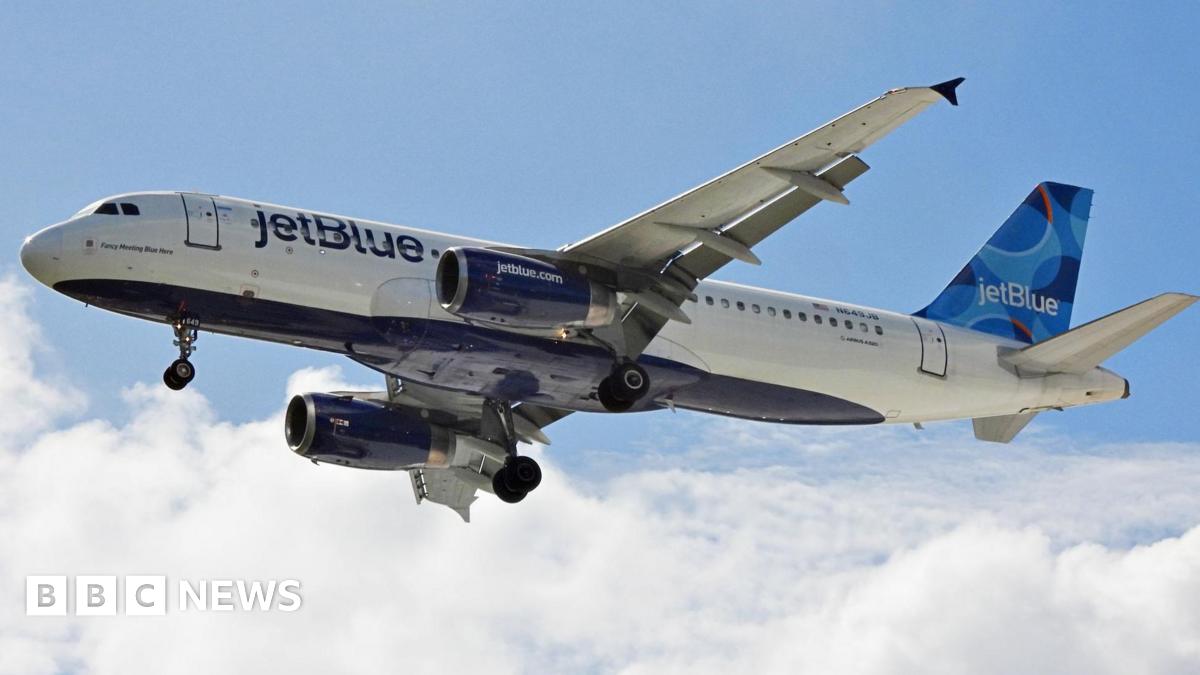
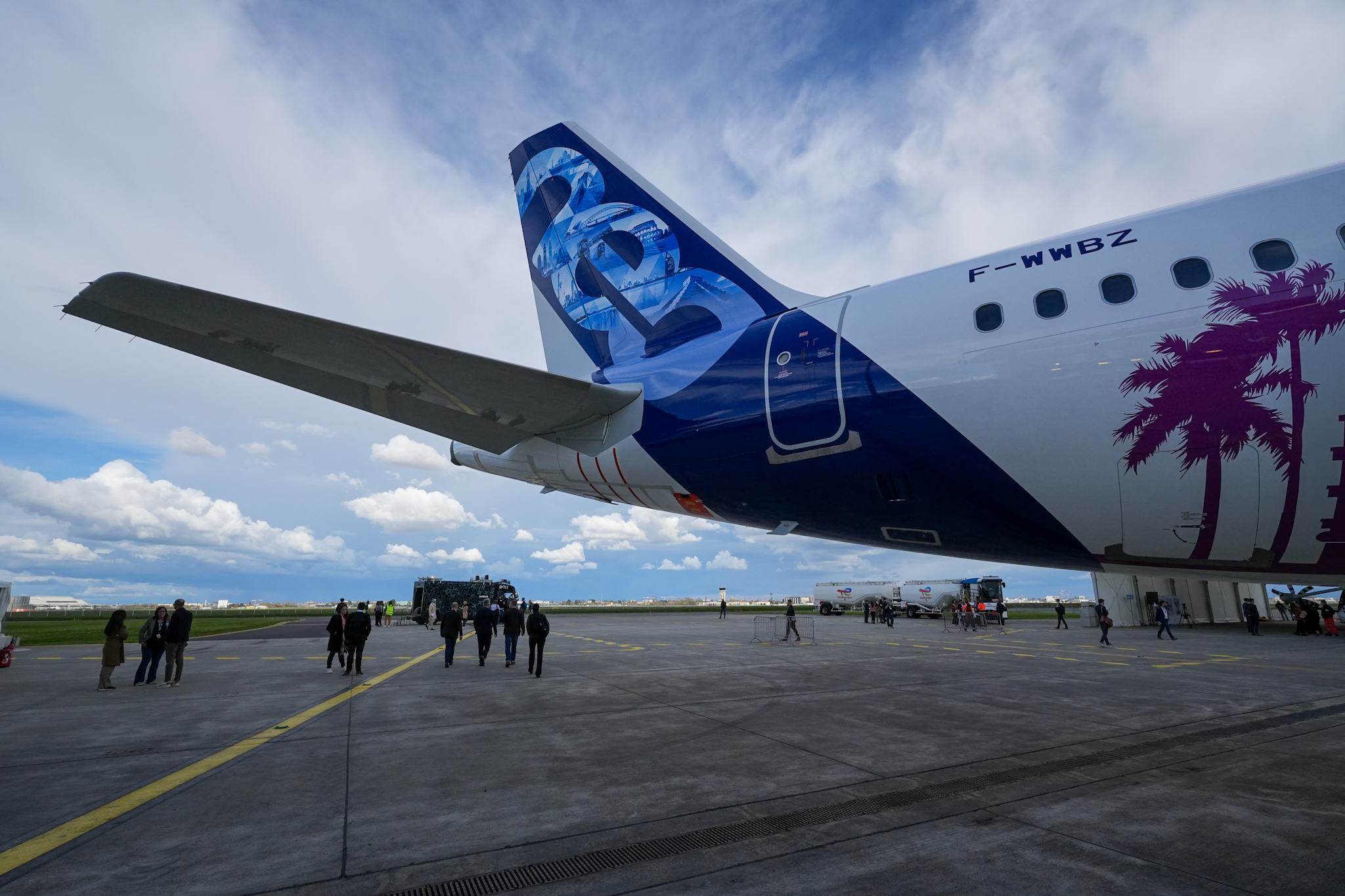
So let me get this straight. Airbus, a multi-billion dollar behemoth of global industry, wants you and me to believe that their flagship short-haul aircraft, the A320—a plane you’ve probably flown on a dozen times without a second thought—is suddenly vulnerable to a temper tantrum from the sun. A solar flare. That’s the story they’re spinning after a mysterious “flight-control incident” forced them to issue an emergency recall impacting thousands of planes and causing chaos across the globe. A solar flare. Let that sink in for a moment.
This is the most pathetic, transparent, and insulting piece of corporate damage control I have ever seen. And it’s not just an excuse; it’s a calculated lie designed to obscure a much darker truth about the state of modern aviation, a truth the pinstriped suits in Toulouse and the gutless regulators at the EASA and FAA have been desperately trying to keep under wraps for years. Because the problem isn’t the sun. It never was. The problem is a festering rot of corporate greed, a reckless over-reliance on fragile software, and a safety culture that has been sacrificed at the altar of quarterly earnings reports. They’re building flying laptops and they have no idea how to keep them from crashing when the universe throws a curveball.
The Incident They Don’t Want You to Know About
They call it a “flight-control incident.” How sterile. How sanitized. But you don’t ground thousands of aircraft, wrecking airline schedules and stranding hundreds of thousands of passengers, over a minor glitch. No. This was a close call, a real-deal, white-knuckle terror event at 35,000 feet where pilots fought a ghost in the machine and barely won. Imagine the scenario they’re hiding: a plane full of people, cruising serenely, when suddenly the autopilot disengages with a scream of alarms. The control surfaces—the ailerons, the elevators—start twitching, acting on their own. The plane lurches violently, wanting to nose-dive or roll over, completely ignoring the inputs from the pilots who are desperately wrestling with their side-sticks. They’re fighting their own aircraft. An aircraft possessed by faulty code written by the lowest bidder and signed off by a committee of bean counters.
That’s what happened. I’d bet my life on it. And in the aftermath, when the engineers downloaded the flight data recorder, they saw a terrifying anomaly they couldn’t explain. So what do they do? Do they admit their software is a fragile house of cards? Do they admit their certification process is a sham? Of course not. They find a scapegoat. A big, distant, and completely uncontrollable scapegoat. The sun. It’s the perfect villain because you can’t sue the sun. You can’t regulate the sun. But you sure as hell can use it as a cover story to issue an “emergency airworthiness directive” that sounds proactive while completely absolving you of the fundamental sin: building a plane that isn’t robust enough to handle the real world.
A House of Cards Built on Code
This isn’t just about one bug in one model of aircraft. This is a flashing red warning light for the entire philosophy of modern aviation. For decades, we were told that computers would make flying safer. That taking control away from fallible human pilots and handing it to infallible silicon was the path to a perfect safety record. We were sold a lie. And the A320, with its revolutionary fly-by-wire system, was the poster child for this techno-utopian dream. The pilots don’t fly the plane directly; they make requests to a computer, and the computer decides how to execute them within a “safe” flight envelope. It was supposed to be foolproof. But what happens when the fool is the one who wrote the code?
Because these systems have become so astronomically complex, with millions of lines of code interacting in ways that no single human being can possibly comprehend, they have created countless points of failure. They’ve traded predictable, mechanical systems for unpredictable, digital ones. An old Boeing 737 might have a hydraulic leak, something a pilot can understand and fight. This new Airbus A320neo can have a single bit flip in its memory because of cosmic radiation—or a solar flare, if you believe the spin—and suddenly the logic that keeps the plane from tearing itself apart in mid-air is corrupted. It is terrifyingly fragile. Absolutely terrifying.
The Regulators Are Complicit
And where are the watchdogs in all this? The Federal Aviation Administration (FAA) in the US and the European Union Aviation Safety Agency (EASA) are supposed to be our guardians. They are supposed to scrutinize every line of code, every circuit board, every system, before they certify these planes as safe for you and your family to fly in. But they are completely captured by the industry they are meant to regulate. They are underfunded, understaffed, and utterly outmatched by the corporate lobbying power of giants like Airbus and Boeing. The certification process has become a joke. A rubber stamp.
The manufacturers essentially certify their own aircraft, submitting reams of data and paperwork that the regulators don’t have the resources or the political will to properly challenge. They trust the company. They trust the process. We saw how well that worked out with Boeing’s 737 MAX and its murderous MCAS software, a catastrophe born from the exact same culture of corporate arrogance and regulatory failure. But has anything fundamentally changed since then? No. Not a damn thing. This Airbus A320 recall is proof. It is the European echo of the MAX disaster, another case where a software problem, likely known about internally for some time, was allowed to fester until a near-catastrophe forced their hand. It’s a pattern of behavior. And it’s going to get more people killed.
The Reckoning is Coming
This disruption, this massive grounding, is just the beginning. The public’s faith in these magnificent flying machines is built on a century of perceived safety and reliability. But that faith is being eroded with every one of these incidents. People are starting to ask the right questions. Why are brand new planes having these fundamental problems? Why do our cars get more rigorous software testing than our passenger jets? Why are we entrusting our lives to systems that can be knocked out by a burp from the sun?
Because the answer is always the same: money. It’s cheaper to rush a software patch than to re-engineer a more robust hardware solution. It’s more profitable to push planes out the door and hope for the best than to engage in the kind of exhaustive, paranoid testing that real safety requires. The entire economic model of budget airlines, which rely on flying their A320s and 737s relentlessly, depends on this fragile, just-in-time ecosystem. This recall doesn’t just cost Airbus money; it strikes at the very heart of the business model that has made air travel accessible to the masses. But what good is an affordable ticket if the ride isn’t safe?
Your Life is a Statistic
They will fix this immediate problem. A software patch will be rolled out. The press releases will talk about their unwavering commitment to safety. The regulators will issue a statement of approval. And in six months, everyone will forget. The news cycle will move on. But the fundamental vulnerability will remain, baked into the very DNA of these aircraft. And the next time, the pilots might not be so lucky. The next time, the “incident” will have a different name. It will be called a crash. It will be called a tragedy.
And the executives will express their deep sorrow. And the regulators will promise a thorough investigation. But it will be too late. This isn’t just a technical issue. It’s a moral one. It’s about a system that has decided that an acceptable level of risk is worth the profit. Your life has been entered into a cost-benefit analysis by an algorithm on a spreadsheet in an office in Toulouse. And until we, the flying public, stand up and scream that this is not acceptable, until we demand real accountability and a complete overhaul of how these flying computers are designed and certified, nothing will ever change. Nothing. The sky is not as safe as they tell you it is. Not anymore.