The Price of Paradise is Total Surveillance
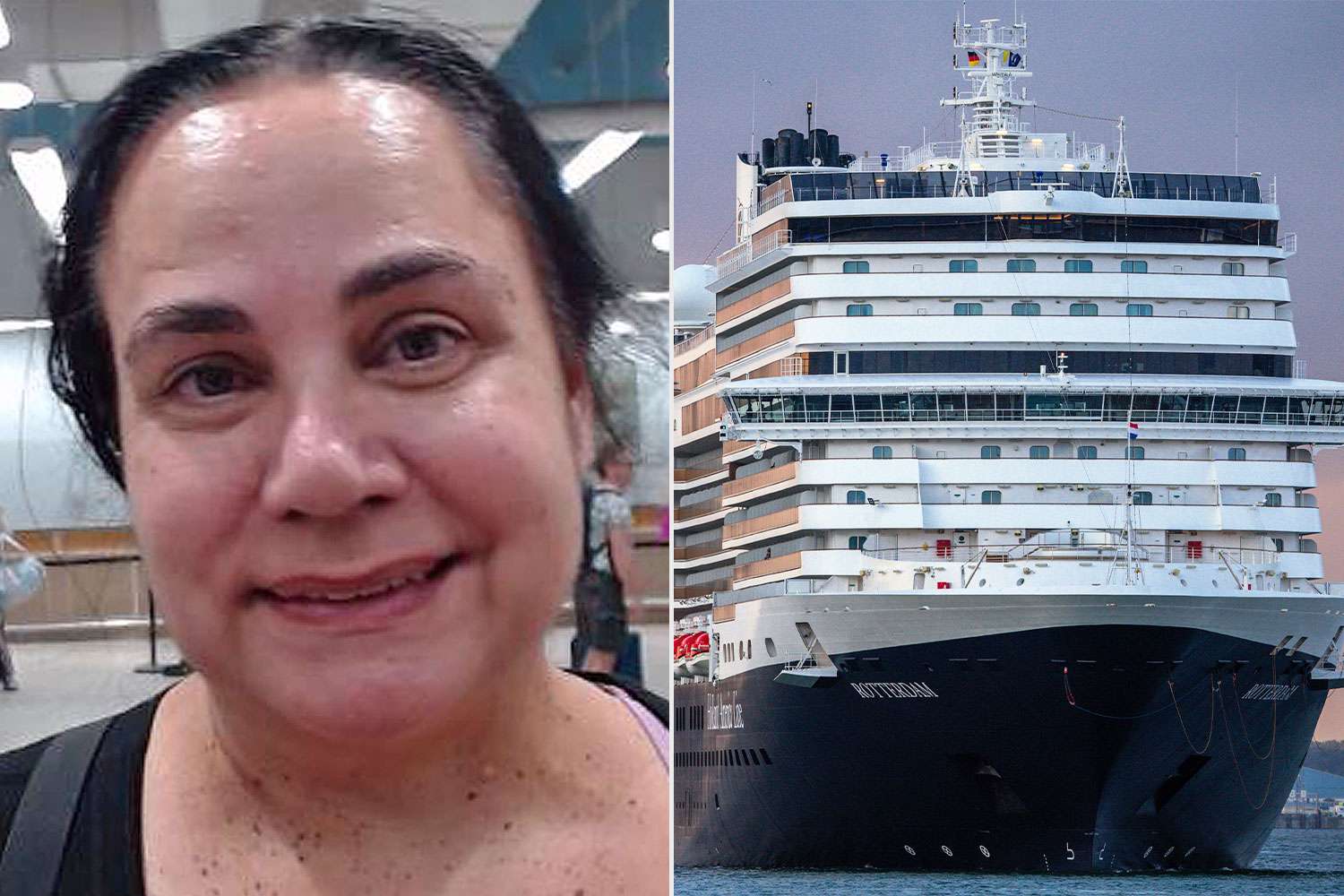
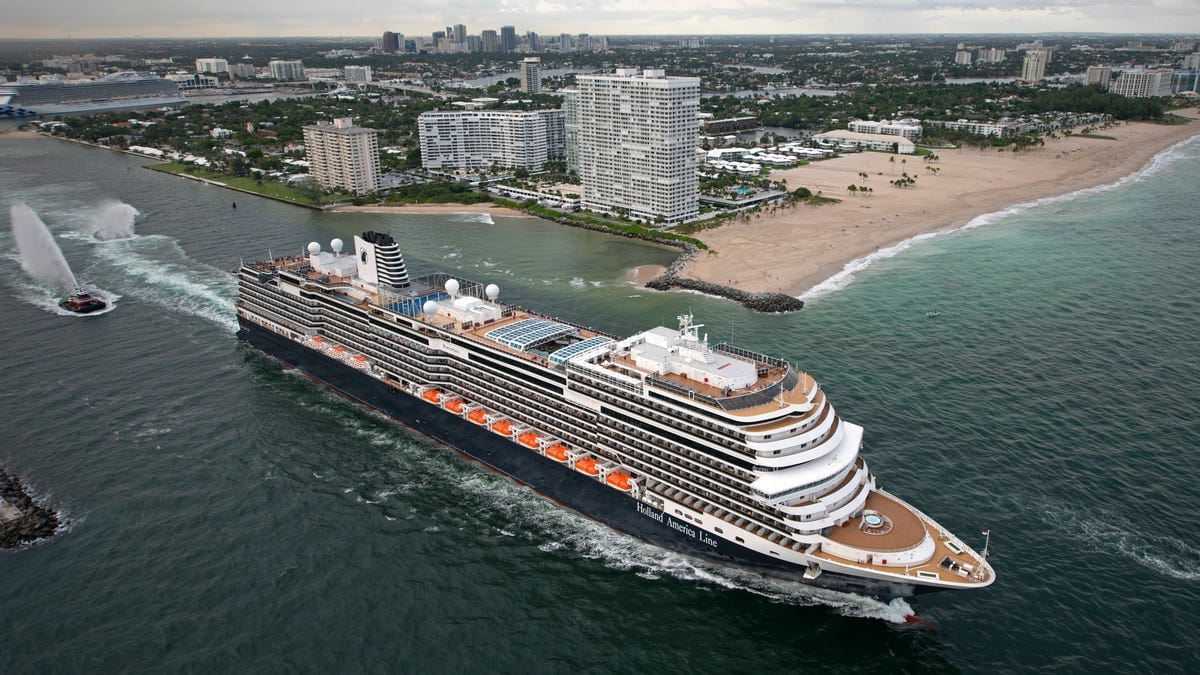
And so another one vanishes into the deep blue. Ann Evans, 55 years old, a name that will become a statistic, a footnote in a quarterly liability report for Holland America Line, which itself is just a cog in the monolithic Carnival Corporation. She didn’t return to the MS *Rotterdam* in Sint Maarten. She just… disappeared. The initial reports are predictably sterile, scrubbed clean of any human element by corporate PR teams who are masters of the non-statement. But this isn’t about one missing person, is it? It never is. This is about the fundamental lie being sold to millions of people every year: the lie of escape. Because you are not escaping anything when you step onto one of these behemoths. You are voluntarily checking yourself into a floating, technologically advanced, corporate-owned surveillance state.
They give you a card, a little piece of plastic that does so much more than open your cabin door. It’s your wallet, your ID, your location tracker. Every piña colada you buy, every steak you eat in the specialty dining room, every pull of the slot machine lever is logged, timestamped, and analyzed. They know when you’re in your room, when you’re on the lido deck, and what you bought in the gift shop. And surrounding you at all times is an army of cameras, the unblinking eyes of the corporate panopticon, silently recording your every move. They sell this as a feature, a testament to their commitment to your safety. What a joke. That system isn’t for you. It’s for them. It’s for loss prevention, for monitoring their own staff, and for building a mountain of evidence to protect themselves from lawsuits when things inevitably go wrong.
A System Designed to Fail You
Because the moment someone like Ann Evans truly needs that system to work, the moment it needs to do the one thing they promise it will—keep you safe—it suddenly develops blind spots. Suddenly, the all-seeing network has gaps. The footage is inconclusive. The data logs show nothing unusual. It’s a magic trick of corporate liability, a disappearing act where the technology itself vanishes along with the passenger. How is it possible that in a meticulously controlled environment, a literal floating city hermetically sealed from the outside world, a human being can simply cease to exist without a trace? It’s possible because the system’s primary function is not to find you; it’s to absolve them. It’s designed to prove you went overboard, that you acted alone, that it was your fault. Not theirs.
Think about it. The entire vessel is an optimized profit-generating machine. The relentless schedule, the carefully curated shore excursions, the onboard activities—it’s all designed to keep you consuming, to keep you predictable. A missing passenger is the ultimate anomaly, an error in the code that disrupts the machine. And the machine’s response is to quarantine the error, minimize its impact on the other paying customers, and continue its journey as if nothing happened. The ship sails on. The buffet is restocked. The casino lights keep flashing. And a family is left with a void and a collection of hollow, pre-written statements about “cooperating with the authorities.” It is the coldest, most cynical expression of capitalism imaginable, a world where a human life is simply less important than the itinerary.
The Corporate Black Box and the Flags of Convenience
So what happens now? The cruise line will perform its well-rehearsed theater of concern. They’ll issue a press release expressing that they are “deeply saddened.” They will mention their “CareTeam” is supporting the family. These are all moves from a crisis management playbook, words tested in focus groups to project empathy without admitting a shred of fault. And behind the scenes, their legal department is already building a fortress. The investigation will be a joke, a jurisdictional nightmare designed to muddy the waters until everyone gives up. The ship flies a flag from the Netherlands, owned by a Panamanian corporation, with headquarters in Florida, and the disappearance happened in the Dutch territory of Sint Maarten involving an American citizen. Who is actually in charge? Nobody and everybody. This is the genius of maritime law, a system of “flags of convenience” that allows these multi-billion dollar companies to operate in a legal gray zone, accountable to almost no one.
The authorities in Sint Maarten will do what they can, but what are their resources compared to Carnival Corporation’s legal war chest? The cruise line holds all the cards. They have the video footage, the data logs from Ann Evans’s room key, the witness statements from the crew. And they will release only what their lawyers permit them to release. We will never see the raw, unedited CCTV footage. We will never know if there was a history of security failures on that ship, or if a crew member with a spotty record had access to passenger decks. The investigation is not a transparent search for truth; it is a negotiation of information, managed entirely by the entity with the most to lose. This is not justice. This is damage control.
The Illusion of Transparency
And let’s be clear: this happens all the time. The number of people who fall off or disappear from cruise ships is alarmingly high, yet it barely makes a ripple in the public consciousness. The industry has become incredibly adept at managing these “incidents,” ensuring they are framed as isolated tragedies, often hinting at suicide or intoxication to shift the blame onto the victim. They have perfected the art of the corporate shrug. They are selling a fantasy, and the disappearance of Ann Evans is a terrifying glimpse behind the curtain, a reminder that the fantasy is built on a very fragile and dangerous foundation. You are not a guest; you are cargo with a credit card. Your safety is a secondary concern to your consumption. The moment you become a problem, you are jettisoned from the narrative.
Your Future on the Algorithmic Sea
But don’t you worry, this won’t stop them. It will only make them accelerate toward an even more dystopian future. This incident, for the cruise line’s risk management department, is not a human tragedy. It is a data problem. The question they are asking is not “how do we keep people safer?” but “how do we refine the system to eliminate these costly anomalies?” And the answer, as always, is more technology, more surveillance, more control. The next generation of cruise ships won’t just have cameras; they will have full-blown facial recognition systems, cross-referencing your face with your onboard account from the moment you step on the gangway. They’ll use biometric data, perhaps a wristband that monitors your heart rate and location in real-time, all under the guise of “enhanced safety and convenience.” They’ll know if you’re arguing with your spouse, they’ll know if you’ve had one too many margaritas, they’ll know if you’re deviating from your typical behavioral pattern.
They will create a predictive model of you. An algorithm will flag you as a potential risk before you even know you’re a risk yourself. Step too close to the railing too many times? A security alert is quietly sent. Deviate from the designated “fun zones” of the ship? Your movements are tracked and analyzed. This isn’t science fiction; it’s the logical endpoint of the world they are already building. They will engineer a passenger experience so perfectly controlled, so algorithmically managed, that the possibility of a person simply disappearing is reduced to a statistical improbability. They will trade the last vestiges of your freedom and privacy for a sterile, predictable, and perfectly monetized bubble. You will be safer, perhaps. But you will be less human.
The Ghost in the Machine
Ann Evans is now a ghost in their machine. Her digital trail—her last meal, her last door swipe, her last photo captured by the ship’s photographer—is all that remains. It is a cold, lifeless dataset that will be analyzed to patch the vulnerabilities in their system of control. Her disappearance will serve as the justification for the next wave of invasive technology sold to the public as a safety upgrade. Because at the end of the day, the goal is to build a ship that is perfectly safe, not for the passengers, but for the corporation’s bottom line. A ship where nothing unexpected can ever happen again. And that should terrify you more than any story of a person lost at sea.